
Lieferung heute & morgen

Qualitätsgarantie

Willkommens-Angebote freischalten: KOSTENLOSE Lieferung | Bis zu 80 % RABATT | Kostenlose 30-Tage-JoyPlus-Testphase
App herunterladen
If you’re looking to buy soups and stews online, you’ll find a huge selection of tins, single-serve pouches and instant products. But the differences aren’t just about brand and flavour. Portion size, ingredients, allergens, preparation time and storage all determine whether a product actually works for your everyday life.
For professionals, students, families, camping households and those stocking up, long-life foods that are easy to prepare are especially appealing. At the same time, it’s worth taking a close look at the product details, so that what seems like a bargain ready-made soup doesn’t turn out to be impractical or unsuitable.
An 800g tin might look generous at first glance. But for one person it can be too much, while for two people it only makes a light meal. Once opened, many products need to be chilled and used within a day or two. For single households or the office, 400g tins or single portions can be more practical.
A “lentil stew” or “pea stew” isn’t made entirely from pulses. Potatoes, carrots, stock, starch, meat or sausage can make up a significant proportion. What matters is the ingredients list in descending order. The stated percentage – for example, 24% or 40% lentils or peas – gives you a much better guide than marketing claims on the front of the pack.
With vegetarian soups, you should check the ingredients list for meat, fish and animal-based stocks. An organic stew can be verified by its official certification and ingredient declaration, not just by a nature-themed design on the packaging. For miso soup and Asian soups, soya, fish, gluten and sometimes high salt levels are also relevant.
Before you buy, check the highlighted allergens. Common warnings include:
Even vegetarian recipes can contain celery. If you’re shopping for vegan options, you also need to rule out ingredients such as milk, egg, meat, fish and animal-derived flavourings. The information on the individual product packaging is what counts.
For everyday use, the formats can be roughly divided as follows:
A 6-pack like the Sonnen Bassermann Lentil Stew with 6 × 400g reduces the need for repeat purchases. For smaller households, however, the shelf life after opening is especially important.
Tinned soups and ready-made stews are usually heated in a pan or a microwave-safe container. The tin itself should never go in the microwave. With instant soup and stock cubes, hot water is often all you need. Check before you buy:
For camping and emergency supplies, products that can be stored dry and have a long remaining shelf life are practical. The best-before date on the packaging you receive is what counts.

Why this product fits the profile: The 800g tin is ideal for a filling meal at home and can be heated in a pan or microwave. The declared pea content is 40%.
The clear quantity declaration helps with comparison. Once opened, the contents should be consumed within 24 hours.
800g format, 40% pea content and preparation in a pan or microwave.
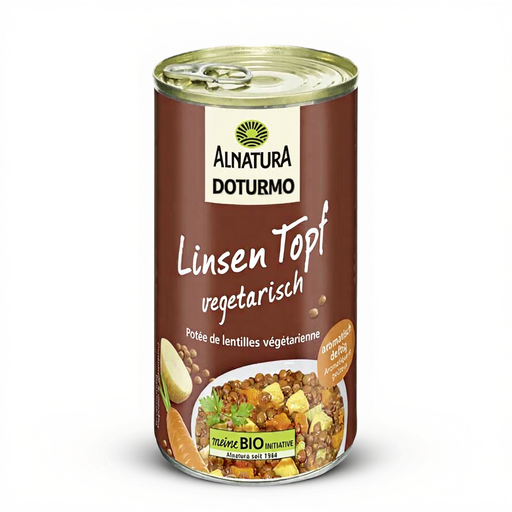
Why this product fits the profile: This organic stew is vegetarian and, according to the product information, contains 24% lentils, potatoes and carrots. The 400g portion remains manageable.
The ingredients and allergen information list celery. This means you can check its suitability before buying.
Organic certification, vegetarian recipe and 400g pack.
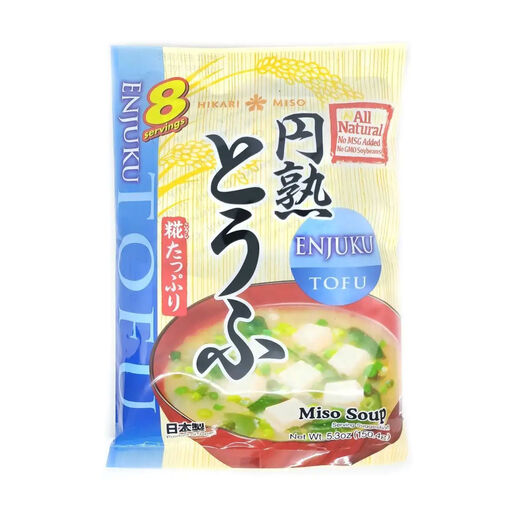
Why this product fits the profile: The eight single portions are designed for the office, travel, camping or a store-cupboard with minimal preparation. Each portion uses 160 ml of hot water.
The individual sachets avoid opened large packs. The ingredients list soya and fish, which should be considered before buying.
Eight portioned sachets, preparation with hot water and tofu garnish.
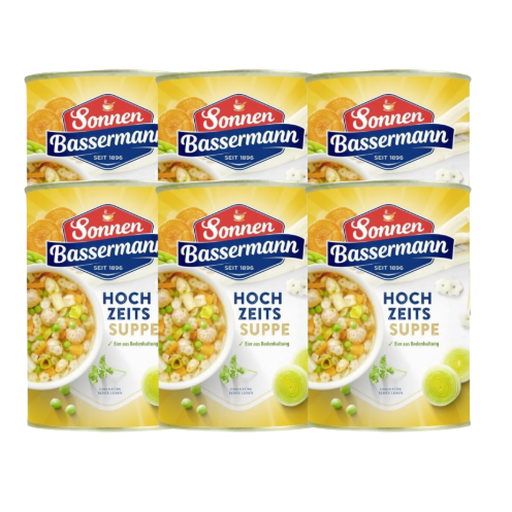
Why this product fits the profile: The 6-pack with 400ml portions is ideal for regular meals. It contains pasta, poultry meatballs, vegetables and egg custard, among other things.
The portion size is clearly stated. Gluten, egg, milk and celery are listed as allergens and should be checked before buying.
Six single portions and preparation in a pan or microwave.
We’ve put together a full, regularly updated list of products that fully meet these strict selection criteria and the safety regulations in force in the EU.
Depending on your taste and intended use, the following categories may also be worth considering:
Unopened tinned soups and stews should normally be stored in a cool, dry place. The specific best-before date is on the packaging. Once opened, the contents should be transferred to a suitable container, refrigerated and used promptly according to the manufacturer’s instructions.
Instant products such as miso soup or stock cubes usually only need hot water. Tinned soups and stews are heated in a pan or microwave. For a quick meal, it’s not just the preparation time that matters, but also whether you need extra water, crockery or a way to keep things chilled.
No. Vegetarian soups can contain milk, egg or other animal-derived ingredients. So check the full ingredients list and allergen warnings. Products with meat, fish or poultry are obviously not vegetarian anyway.