
Lieferung heute & morgen

Qualitätsgarantie

Willkommens-Angebote freischalten: KOSTENLOSE Lieferung | Bis zu 80 % RABATT | Kostenlose 30-Tage-JoyPlus-Testphase
App herunterladen
Soy milk powder, also known as soy drink powder, instant soy beverage powder or instant soy milk, can be stored in a space-saving way and prepared in individual portions. For vegans, vegetarians, people avoiding dairy and fans of Asian drinks, it can be a practical alternative to chilled ready-to-drink beverages.
However, products vary considerably in their ingredients, sugar content, soya bean percentage, protein content and preparation method. If you only look for terms such as “sugar-free”, “high-protein” or “original flavour”, you could end up buying a product that does not suit your everyday routine.
A product may contain no added sucrose and still include maltose syrup or other sweetening ingredients. That is why it is important to check the full ingredients list and the nutritional declaration for “of which sugars”.
Example: According to the product information, the YON-HO product labelled “Unsweetened” contains maltose syrup and lists 4.5 g of sugar per 100 g. The term should therefore not be confused with “sugar-free”. Even “soy milk powder with no added sugar” is not necessarily unsweetened.
Nutritional values usually refer to 100 g of powder, not to a ready-to-drink beverage. For a realistic comparison, you should take the recommended quantity of powder and amount of water into account.
A powder containing 18 g of protein per 100 g provides approximately 4.5 g of protein in a 25 g serving. Products with a higher soya bean content can therefore differ significantly from traditional blends containing sugar, cereals or flavourings.
Many products require hot water at around 70 to 90 °C. Others are specifically suitable for preparation with water at room temperature. If you want to use soy drink powder in the office, while travelling or for cold drinks, you should check this point before buying.
Some products may also contain ingredients such as wheat germ, oats, milk ingredients or sesame. In the case of an allergy or intolerance, the allergen labelling is decisive. Soya itself is a relevant allergen in all the soy products considered here.
The declared proportion of soya beans provides an initial indication of the composition. Across the products selected, the stated percentages range from around 47% to 100% soya beans. However, a higher percentage does not automatically mean that everyone will enjoy the flavour or consistency.
Also check whether the product contains sugar, maltose syrup, maltodextrin, oil, cereals, tea or fruit powder. For a straightforward soya bean powder, a short ingredients list is preferable.
Always compare:
“Sugar-free soy milk powder” should not be judged by the product name alone. Products containing xylitol may also need to carry a warning about its possible laxative effect if consumed in excess. The information on the individual packaging is authoritative.
The products differ considerably in their stated protein content. The selection includes values ranging from around 15 g to 42 g per 100 g of powder. A high value may be relevant to athletes and consumers who are mindful of their protein intake, but it does not automatically make the product a complete substitute for a balanced meal.
Also pay attention to the dosage: depending on the product, around 20 to 30 g of powder is mixed with 150 to 200 ml of water. Individual sachets are practical for taking with you, while larger packs may require less packaging per serving for regular use.
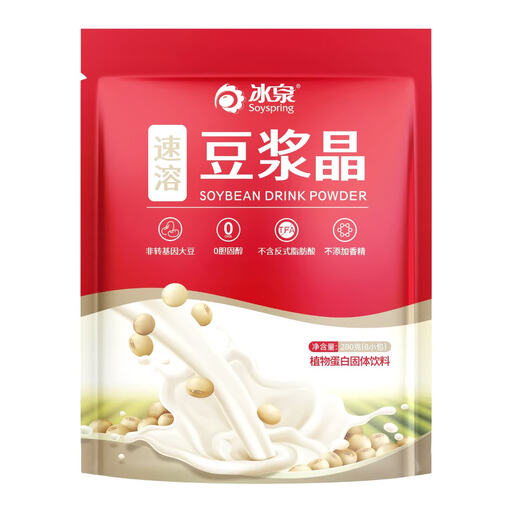
Why this product suits this profile: Eight 25 g portion sachets make measuring easy and are ideal for those trying Asian soy drinks for the first time.
The serving size is clearly stated. At the same time, the nutritional values show 54.4 g of sugar per 100 g, confirming that this is not an unsweetened product.
47% soya beans, 15 g of protein per 100 g and preparation with around 180 ml of boiling water.
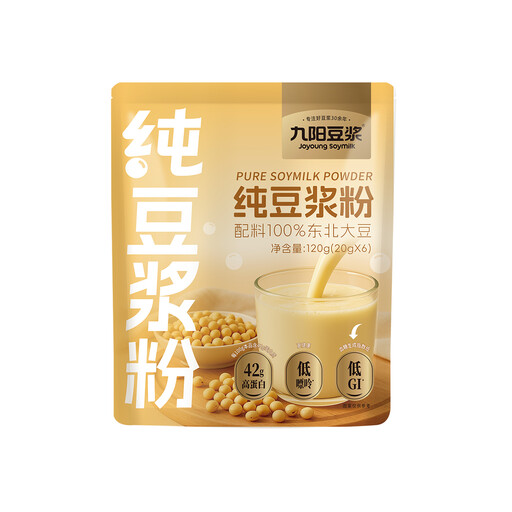
Why this product suits this profile: The ingredients list contains only soya. This makes the powder suitable for shoppers looking for a product with a particularly simple composition.
The “pure” description is supported by the stated ingredient: soya (100%). The protein content is shown directly in the nutrition table.
100% soya, 42 g of protein and six individually wrapped 20 g sachets.
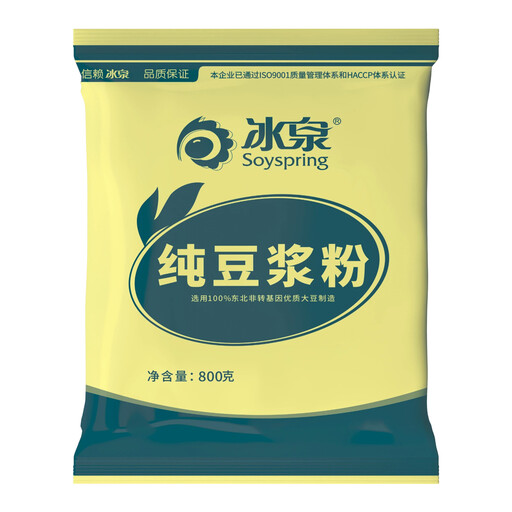
Why this product suits this profile: The larger pack is designed for people who regularly use soy drink for breakfast, in smoothies, coffee or baking.
The ingredients list states soya beans (100%). This removes the need to compare against hidden sugar or cereal ingredients.
800 g contents, 40 g of protein per 100 g and preparation with around 200 ml of water at 80 °C.
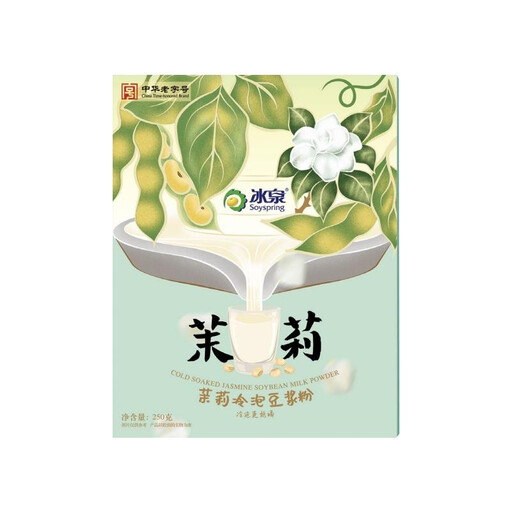
Why this product suits this profile: The combination of soy powder and 2% jasmine tea powder offers a flavoursome option for cold or room-temperature drinks.
The product information expressly states that it can be prepared with water at room temperature. This reduces the risk of buying a powder that only dissolves in hot water for use on the go.
50% soya beans, 18.5 g of protein per 100 g and 2% jasmine tea powder; one serving is mixed with around 150 ml of water.
We have put together a complete, regularly updated list of products that fully meet these strict selection criteria and the safety regulations applicable in the EU.
For a smooth, consistent texture, first add a small amount of warm water to the powder and stir to form a smooth paste. Then slowly add the remaining water. Always follow the manufacturer's instructions regarding temperature and dosage.
Opened packs should be stored in a cool, dry place and kept tightly sealed. Powder readily absorbs moisture and odours. Individual portions should be used immediately after opening. With larger packs, you may be advised to use the contents within a specified period stated on the packaging.
Soy powder made with entirely plant-based ingredients may be suitable for a vegan diet. However, check the ingredients list: some blends contain milk ingredients, particularly cereal or milk tea products. The specific packaging labelling is decisive.
Depending on the product, around 20 to 30 g of powder mixed with 150 to 200 ml of water is standard. Instructions vary. For the best flavour and consistency, follow the dosage recommended by the respective manufacturer.
Unsweetened soy milk powder usually contains no added sucrose, but it may include maltose syrup or other sources of carbohydrates. Classic varieties often contain added sugar and therefore have a higher sugar value per 100 g. Compare the ingredients list and nutrition table together.