
Lieferung heute & morgen

Qualitätsgarantie

Willkommens-Angebote freischalten: KOSTENLOSE Lieferung | Bis zu 80 % RABATT | Kostenlose 30-Tage-JoyPlus-Testphase
App herunterladen
Choosing the right soy sauce can be a challenge, given the sheer variety available. Whether for sushi, marinades, or as Asia's quintessential condiment, the differences in flavour, sodium content, and production methods are significant. This guide will help you understand the different types of soy sauce and make an informed decision that suits your culinary needs and personal preferences. We will introduce a selection of products and provide you with objective criteria to help you buy the right soy sauce.
To find the perfect soy sauce for your kitchen, a few key characteristics are crucial. Paying attention to these points will make your selection much easier.
The quality of a soy sauce is largely determined by its production method.
Sodium content is a key factor that affects both flavour and health considerations.
Not every soy sauce is suitable for every purpose. Japanese soy sauces are broadly divided into two main types:
Here is a selection of soy sauces that stand out for their specific characteristics and applications.
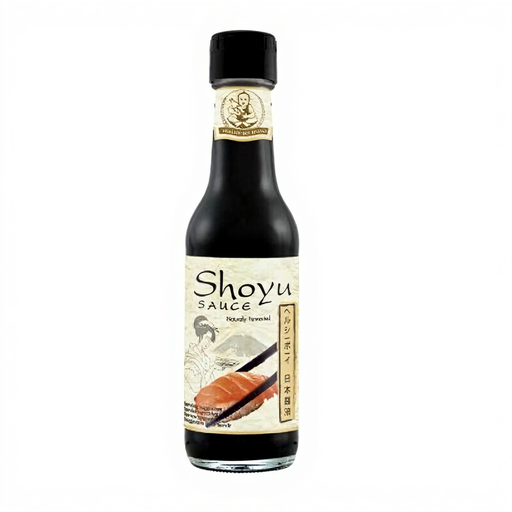
What Makes It Stand Out This traditional Japanese shoyu sauce is naturally brewed from soybeans and wheat. It offers a rich umami flavour, making it a versatile seasoning for Asian cuisine.
Key Facts
Who It's For This sauce is a great choice for home cooks looking for an authentic, all-purpose Japanese soy sauce for daily use, especially as a dip for sushi.
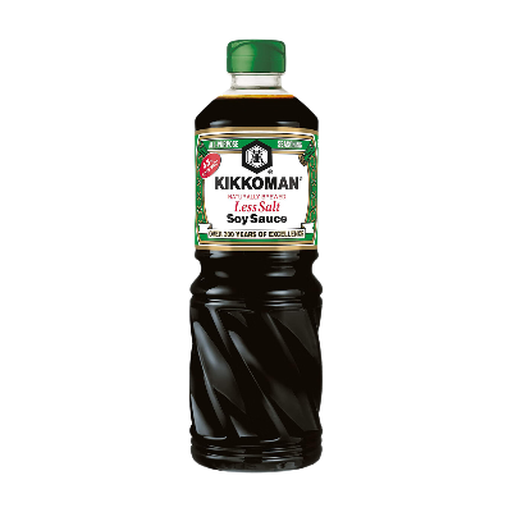
What Makes It Stand Out The Kikkoman soy sauce in its reduced-sodium version delivers the brand's famous full-bodied flavour with significantly less salt. It is also naturally brewed, thus preserving its characteristic aroma.
Key Facts
Who It's For Perfect for health-conscious consumers and families who don't want to sacrifice the authentic taste of a high-quality soy sauce but wish to reduce their salt intake. The large bottle also offers excellent value for money for frequent use.
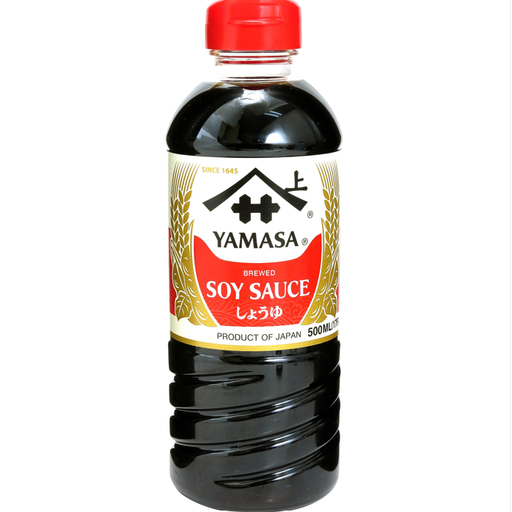
What Makes It Stand Out Yamasa is a brand with over 370 years of history in the traditional art of Japanese brewing. This premium soy sauce is naturally fermented from just four ingredients: soybeans, wheat, salt, and water. The result is an exceptionally balanced flavour with deep umami, a mild aroma, and a characteristic reddish-brown colour.
Key Facts
Who It's For For gourmets and enthusiasts of authentic Japanese cuisine seeking a premium soy sauce with a rich flavour profile and a long heritage. Its purity and balance make it an excellent choice for a wide variety of dishes.
The world of Asian condiments is vast and diverse. If you are looking for other specialities like tamari (gluten-free soy sauce), white soy sauce, or other seasonings, you will find a broader selection in our category.
? Discover more Japanese seasonings here
The term soy sauce is an umbrella term for a variety of condiments made from fermented soybeans. Shoyu is the specific Japanese name for soy sauce that traditionally includes wheat in addition to soybeans. The wheat gives shoyu a slightly sweeter and more complex aroma compared to many Chinese soy sauces, which are often made exclusively from soybeans.
A Japanese koikuchi shoyu (dark, all-purpose soy sauce) is typically used for sushi. It has a balanced ratio of saltiness, sweetness, and umami that complements the flavour of the fish and rice without overpowering it. The featured products from Healthy Boy and Yamasa are classic examples of a good soy sauce for sushi.
After opening, soy sauce should be stored in a cool, dark place to preserve its aroma and colour. Refrigeration is recommended but not strictly necessary, as the high salt content acts as a natural preservative. A well-sealed bottle will maintain its quality at room temperature for several months. Refrigeration can extend its shelf life. Always follow the manufacturer's instructions on the packaging.