
Lieferung heute & morgen

Qualitätsgarantie

Willkommens-Angebote freischalten: KOSTENLOSE Lieferung | Bis zu 80 % RABATT | Kostenlose 30-Tage-JoyPlus-Testphase
App herunterladen
Finding the right soy sauce can be a challenge given the vast selection available. Whether for sushi, marinades, or enhancing everyday dishes, the right seasoning sauce is crucial for a successful meal. This guide will help you make an informed decision the next time you buy soy sauce and introduces a selection of products suited for different needs.
To find the perfect soy sauce for your kitchen, a few objective criteria can help guide your selection.
A key quality indicator is the production method. A naturally brewed soy sauce is created through a months-long fermentation process using soybeans, wheat, water, and salt. This traditional method yields a complex and full-bodied flavour known as umami. In contrast, chemically produced sauces are often made in just a few days using hydrolysed vegetable protein and frequently include colourings, corn syrup, and other additives. The ingredients list will provide clarity on this.
Sodium content is another important factor. Standard soy sauces have a relatively high salt level, which is important for preservation and taste. However, for a more health-conscious diet or specific dietary requirements, reduced-sodium soy sauce is also available. These versions offer a similar flavour profile but, according to manufacturers, often contain 30–40% less salt than their classic counterparts.
Choosing the right size depends on your consumption. Small table-top bottles are great for seasoning at the table or for those who only use soy sauce occasionally. For home cooks, families, or lovers of Asian cuisine who cook regularly, a 1L bottle of soy sauce can be a practical and often more cost-effective option.
Here is a selection of soy sauces that cater to different needs—from reduced-sodium options to classic all-rounders in bulk packaging.
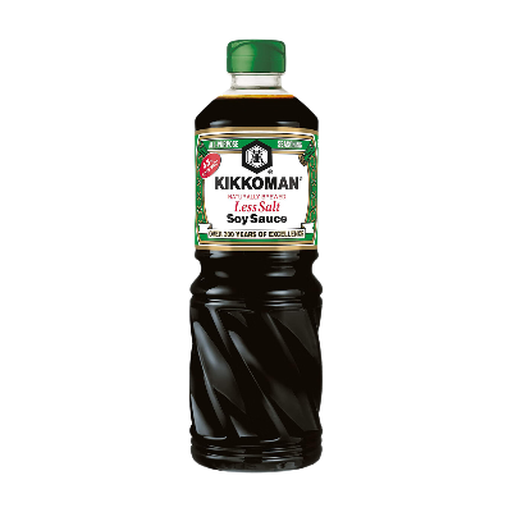
Why It Stands Out: This Kikkoman soy sauce combines the traditional brewing process with a reduced sodium content. According to the manufacturer, it is naturally brewed and delivers the characteristic umami flavour but is designed for a salt-conscious diet. The ingredients list includes water, soybeans, wheat, salt, spirit vinegar, ethyl alcohol, and sugar.
Facts at a Glance:
Who It's For: This product is aimed at health-conscious consumers and families who want the full flavour of soy sauce with lower salt intake. The large bottle is ideal for regular use in the kitchen.
View KIKKOMAN Reduced-Sodium Soy Sauce Now
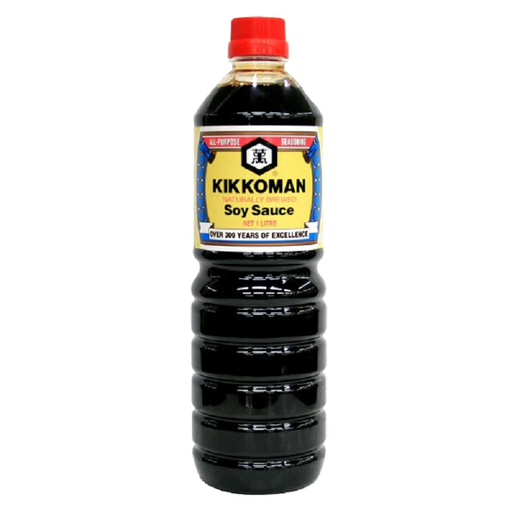
Why It Stands Out: The classic, naturally brewed soy sauce from Kikkoman is a widely used Japanese seasoning sauce. It is made according to a traditional recipe using only four ingredients: water, soybeans, wheat, and salt. The manufacturer states that no artificial flavours, colours, or preservatives are added. Its versatility makes it a staple in many kitchens worldwide.
Facts at a Glance:
Who It's For: Ideal for frequent users, restaurateurs, and anyone looking for an authentic and versatile all-rounder for marinades, stir-fries, dressings, or as a dipping sauce. The 1-litre bottle offers excellent value for frequent use.
View KIKKOMAN 1L Soy Sauce Now
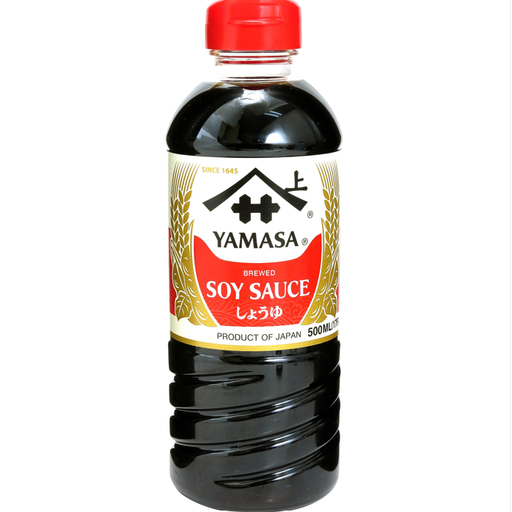
Why It Stands Out: Yamasa is a brand with a long tradition of brewing. This all-purpose soy sauce is also naturally fermented and consists of the four basic ingredients: water, soybeans, wheat, and salt. It is distinguished by a balanced flavour profile with a rich umami aroma and a characteristic reddish-brown colour.
Facts at a Glance:
Who It's For: This product is a great choice for cooks seeking a high-quality, all-purpose soy sauce for a wide range of applications, from authentic Japanese dishes like sushi and sashimi to creative global recipes. The 500 ml size is a good happy medium for regular but not excessive use.
The world of soy sauce is vast. In addition to those presented here, there are other varieties such as light or dark soy sauces, tamari (often gluten-free), or those with mushroom flavour.
If you'd like to discover more products, take a look at our entire range.
Discover More Japanese Sauces Here
1. What is the difference between Japanese and Chinese soy sauce? Japanese soy sauce (shoyu) is typically brewed with a similar proportion of soybeans and wheat, giving it a slightly sweeter and more nuanced flavour. It often has a thinner consistency and works well as an all-purpose seasoning and dipping sauce. Chinese soy sauces often have a higher soybean content, resulting in a saltier, earthier flavour profile. A distinction is also made between light (for seasoning) and dark (for colouring and a more robust flavour) varieties.
2. How should soy sauce be stored properly? Before opening, soy sauce should be stored in a cool, dry, and dark place. After opening, it is recommended to keep the bottle in the refrigerator. This slows down the oxidation process and helps to preserve its colour and aroma for longer. The bottle should always be tightly sealed.
3. Is soy sauce suitable for a vegan diet? Most naturally brewed soy sauces made only from water, soybeans, wheat, and salt are suitable for vegan and vegetarian diets. However, it is always wise to check the ingredients list on the label to ensure that no animal products or unwanted additives are included.