
Lieferung heute & morgen

Qualitätsgarantie

Willkommens-Angebote freischalten: KOSTENLOSE Lieferung | Bis zu 80 % RABATT | Kostenlose 30-Tage-JoyPlus-Testphase
App herunterladen
Choosing the right soy sauce can be a challenge given the variety on the shelves. Whether you're preparing a quick stir-fry, making a marinade, or simply need a dip for your dumplings, the right soy sauce is crucial for a successful dish. This guide is designed to help you understand the differences between the various types and make an informed decision the next time you buy soy sauce.
As your Joybuy Product Recommendation Officer, I have analysed the available information to provide you with an objective overview and practical recommendations. The goal is to simplify your selection process and help you find the perfect product for your culinary endeavours.
Before you make a decision, it's helpful to have some basic knowledge about the different types of soy sauce. Here are three key points to consider.
Arguably the most important distinction is between light and dark soy sauce. Both have an established place in Asian cuisine but serve different purposes.
The origin can indicate the style of the soy sauce. A Chinese soy sauce often forms the basis for the light and dark distinction. Japanese soy sauces (Shoyu) are also made from soybeans and wheat but often have a different flavour profile. Vietnamese or Thai varieties may contain additional flavourings. Traditionally brewed soy sauces undergo a months-long fermentation process, resulting in a deep and complex umami flavour. Industrially produced sauces often use a chemical hydrolysis process, which is faster but typically yields a less nuanced result.
It's always wise to check the label. A traditionally brewed Asian seasoning sauce typically contains only a few ingredients: soybeans, wheat, salt, and water. Some products contain flavour enhancers like yeast extract or additives for colouring and preservation. This isn't necessarily a sign of poor quality but indicates a specific product type and intended use. For purists, a short ingredients list is often a sign of a more traditional product.
Based on the criteria above, we have compiled a selection of products that cover different applications.
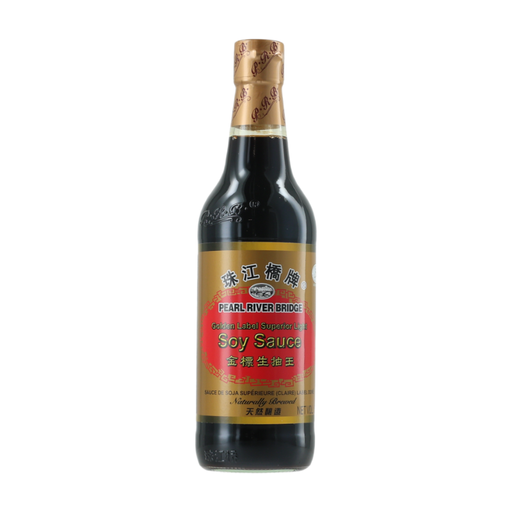
Why it stands out This light soy sauce from the well-known brand Pearl River Bridge is brewed using traditional methods from selected, non-GMO soybeans. It represents the classic type of light soy sauce and is known for its consistent quality.
Benefits
Who it's for Ideal for home cooks looking for a reliable and versatile base sauce for everyday cooking. It's the right choice for seasoning stir-fries, as a base for marinades, or as a simple dipping sauce.
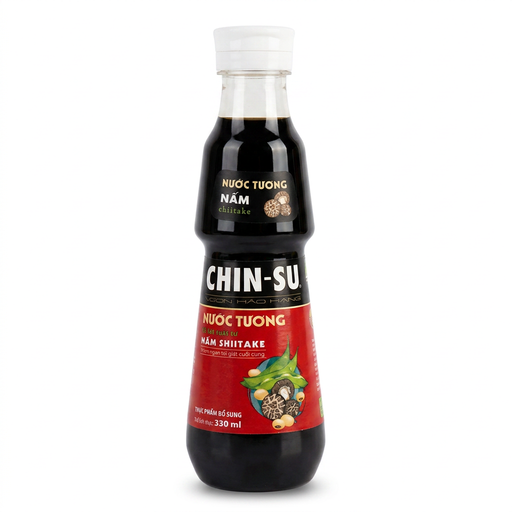
Why it stands out This Vietnamese soy sauce from Chinsu stands out with the addition of mushroom flavours. It offers a more complex and smoother flavour profile than a standard soy sauce, bringing an added depth of flavour to dishes.
Benefits
Who it's for For cooks who are adventurous and looking for an Asian seasoning sauce with a unique character. It is particularly well-suited for adding a 'meaty' depth to vegetarian dishes or giving a special touch to marinades and dips.
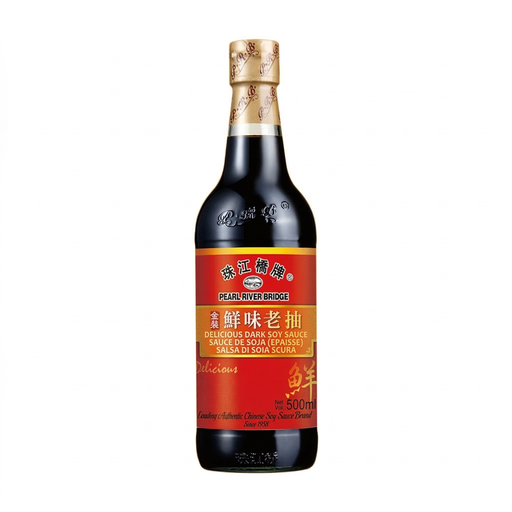
Why it stands out This is a classic dark soy sauce from Pearl River Bridge, specially developed for colouring and deepening the flavour of braised dishes. Its thick consistency and deep dark colour are characteristic of this type of sauce.
Benefits
Who it's for A must-have for anyone who wants to prepare authentic Chinese braised dishes. If you cook dishes like braised meat, soy sauce chicken, or fried noodles and value an intense colour, this is the right product for you.
The world of soy sauce is vast and diverse. If you are looking for other varieties such as tamari (gluten-free), flavoured soy sauces, or products from other regions, you are sure to find the right one in our wider selection.
? Discover our entire range of Natural Soy Sauce here
1. What is the exact difference between light and dark soy sauce? Light soy sauce is saltier and thinner, and is mainly used for seasoning. Dark soy sauce is thicker, less salty but sweeter in taste, and is primarily used for colouring food, especially braised dishes.
2. How should I store soy sauce after opening? After opening, soy sauce should be stored tightly sealed in a cool, dry place, preferably in the refrigerator. This helps to maintain its quality and aroma over a longer period. Always follow the storage instructions on the manufacturer's label.
3. Can you substitute light soy sauce for dark? A direct substitution is not recommended, as their flavour and function differ significantly. If you replace light soy sauce with dark, your dish will be darker but less salty and slightly sweeter. Conversely, if you use light soy sauce instead of dark, your dish will lack the characteristic colour and depth of flavour. For the best results, it is advisable to use both types for their respective purposes.