
Lieferung heute & morgen

Qualitätsgarantie

Willkommens-Angebote freischalten: KOSTENLOSE Lieferung | Bis zu 80 % RABATT | Kostenlose 30-Tage-JoyPlus-Testphase
App herunterladen
Anyone who’s stood in front of the soy sauce aisle knows the overwhelming feeling. Light, dark, sweet, reduced-salt, Japanese, Chinese—the selection is vast. Grabbing the wrong bottle, however, can be more than just a matter of taste. An unsuitable product can ruin a carefully planned dish, whether through excessive saltiness or an unwanted colour.
As your Joybuy Product Recommendation Officer, I'm here to help you avoid the common pitfalls and make an informed decision. We'll focus on the facts so you can find the exact soy sauce that fits your cooking habits.
Many home cooks grab the first bottle they see without understanding the crucial differences. This often leads to disappointment and wasted money. Here are two of the most common mistakes to avoid:
To buy the right soy sauce, you should consider two core parameters: the type of sauce and its composition.
The function of the soy sauce in your dish determines which type you need.
The origin and production method have a major impact on the flavour profile.
Look for the term "naturally brewed." This indicates a traditional fermentation process, which stands in contrast to the faster chemical hydrolysis method and generally produces a more complex flavour.
Here are some recommendations tailored to specific needs and cooking styles.
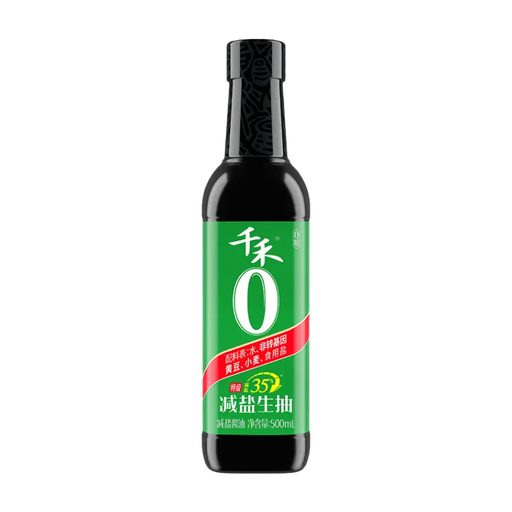
Why This Fits Their Persona: Ideal for anyone who wants full umami flavour without excessive salt. The clean, short ingredients list with no added flavour enhancers or preservatives meets the demand for a health-conscious diet.
This product directly addresses the trap of hidden additives and high salt content. The "35% Reduced Salt" label is unambiguous, and the ingredients list is transparent.
Significantly reduced salt with full flavour. Made from only five ingredients (water, soybeans, wheat, salt, sugar) with no artificial additives.
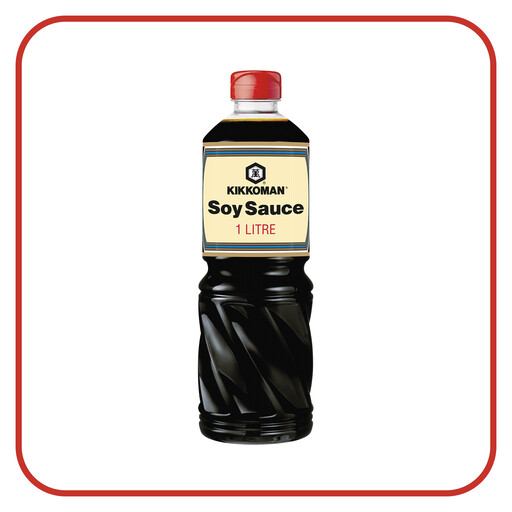
Why This Fits Their Persona: A reliable all-rounder in an economical 1-litre bottle. Kikkoman's Japanese soy sauce is versatile and suitable for a wide range of dishes, making it a practical staple for any kitchen.
As a naturally brewed sauce from just four ingredients, it bypasses the trap of chemically produced products with long ingredient lists. Its versatility makes it a solid choice that reduces the need for many speciality sauces.
Naturally brewed with no artificial additives. The large 1-litre bottle offers excellent value for money for frequent use.
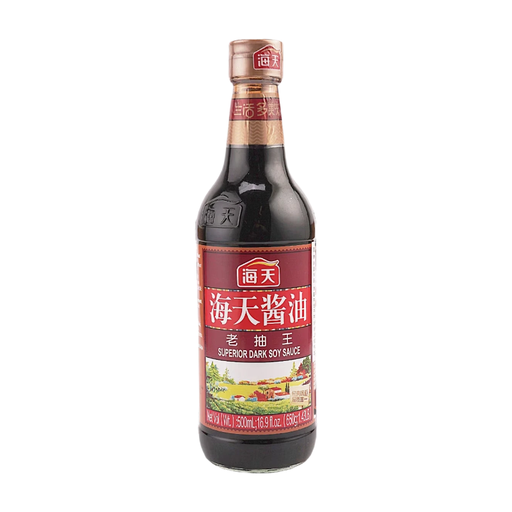
Why This Fits Their Persona: Anyone wanting to prepare authentic Chinese braised dishes needs a soy sauce that provides colour and depth. This dark soy sauce is designed for exactly that, delivering the characteristic reddish-brown colour and rich flavour.
This product solves the "one-sauce-fits-all" problem. It is the right tool for a specific job—colouring dishes—and prevents the disappointing result that comes from using light soy sauce instead.
Gives dishes an intense, appetising colour and a balanced, slightly sweet depth without being overly salty. Its thick consistency clings well to ingredients.
We have compiled a complete, real-time list of products that fully satisfy these strict selection criteria and UK safety regulations.
No, swapping them is not recommended as they have different functions. Light soy sauce is primarily for salting and seasoning. Dark soy sauce is mainly for colouring and adds a deeper, sweeter note with less saltiness. Using the wrong sauce can make your dish either too salty and pale, or too dark and not salty enough.
Unopened soy sauce should be stored in a cool, dark place and can often last for several years. After opening, it is advisable to keep the bottle in the refrigerator. Due to its high salt content, it has a very long shelf life even when opened, typically at least 6 to 12 months. However, the flavour may lose its intensity over time.
The main difference often lies in the ratio of ingredients and the resulting taste. Japanese soy sauce (Shōyu) typically contains a significant amount of wheat, which gives it a slightly sweet and complex aroma. Chinese soy sauce is often brewed with a higher proportion of soybeans, which tends to make it stronger, earthier, and saltier.