
Same-day & Next-day Delivery

Quality Guaranteed

Unlock Your Welcome Offers: FREE Delivery | Up to 80% OFF | Free 30-day JoyPlus trial
Download the APP
Anyone who wants to cook authentic Asian cuisine quickly discovers a key truth: not all soy sauces are created equal. Grabbing the wrong bottle can steer a dish in the wrong flavour direction or fail to deliver the desired colour. Before you buy soy sauce, it's helpful to know the common pitfalls so you can make an informed decision that matches your culinary goals.
Many home cooks invest in a large bottle of a supposed "all-purpose" soy sauce, only to find it's too salty for their planned braised dish or too overpowering for dipping sushi. Another common misconception is that a darker colour automatically means a more intense flavour. Often, the opposite is true: many dark soy sauces are milder and are used primarily for colour. These misunderstandings lead not only to culinary disappointment but also to unnecessary expenses and overcrowded pantries.
To find the right Asian seasoning sauce, you should focus on a few crucial characteristics. These will help you correctly assess the function and flavour of a sauce.
The most important distinction is between light and dark soy sauce. This classification has less to do with intensity and more to do with its function in cooking.
Besides the classic salty sauces, there is an important category that often causes confusion: sweet soy sauce.
The country of origin often provides a clue to the flavour profile. A Japanese soy sauce (Shoyu) is typically brewed with a higher proportion of wheat, which gives it a slightly sweeter and more complex aroma. It is a classic for sushi and sashimi. Chinese soy sauces vary widely but are often the basis for the light vs. dark distinction. Thai soy sauces often have their own robust profile and are essential for authentic Thai cuisine.
Here are some recommendations tailored to specific requirements, designed to help you avoid the pitfalls mentioned earlier.
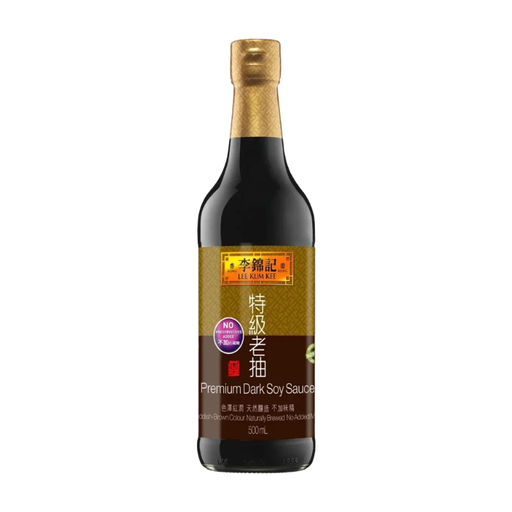
Why This Fits Their Persona: Ideal for cooks who want to give their braised dishes (e.g., beef, pork belly) a deep, rich colour and a subtle sweetness without making the dish too salty. A classic for Chinese cuisine from the brand Lee Kum Kee.
Solves the problem of light soy sauce not providing colour. This dark soy sauce is specifically designed for colouring and rounding out flavour, and is less salty.
Imparts an intense caramel colour and a depth of flavour. Essential for many traditional recipes.
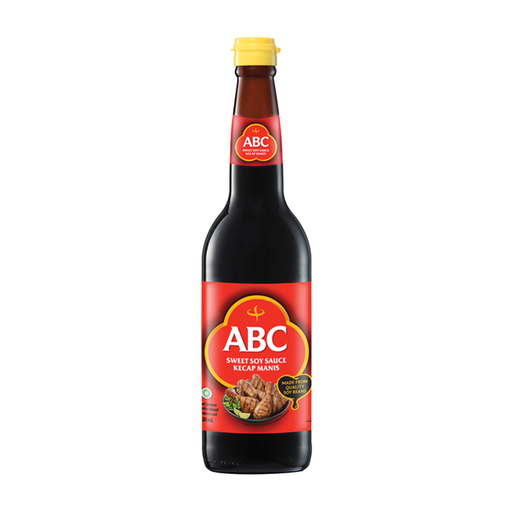
Why This Fits Their Persona: Indispensable for anyone wanting to prepare authentic Nasi Goreng, satay, or other Indonesian classics. The ABC Sauce brand is a major player in this category.
Prevents the attempt to imitate Kecap Manis with a mix of soy sauce and sugar. Its syrupy consistency and complex flavour are irreplaceable.
Thick, rich texture that clings to food. Perfect balance of sweetness and salty umami.
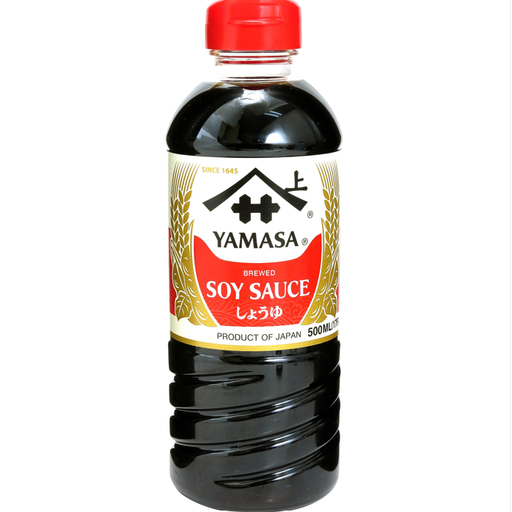
Why This Fits Their Persona: For cooks looking for a high-quality, naturally brewed Japanese soy sauce as a reliable base for dips (sushi), marinades, and general seasoning.
Avoids the purchase of an overly specialised sauce when a versatile, high-quality seasoning base is needed. It is a well-defined all-rounder for Japanese cuisine and beyond.
Naturally brewed from just four ingredients. Balanced, rich umami flavour with no artificial additives.
We have compiled a complete, up-to-date list of products that fully meet these strict selection criteria and quality standards.
A direct swap is not recommended, as they serve different functions. If you replace light soy sauce with dark, your dish will be less salty but significantly darker. Conversely, using light instead of dark soy sauce will make your dish saltier and it will lack the typical dark colour and depth. For optimal results, you should use the type specified in the recipe.
Due to its high salt content, soy sauce has a very long shelf life. After opening, the bottle should be tightly sealed and stored in a cool, dark place (e.g., in the pantry). Storing it in the refrigerator is possible but not strictly necessary. Under these conditions, the sauce will maintain its quality for many months, often over a year. The aroma may change slightly over time, but the sauce will not spoil.
Tamari is a Japanese sauce traditionally created as a by-product of miso paste production. The main difference is that it is typically made with very little or no wheat. As a result, it is often gluten-free (check the label!) and has a bolder, less sweet, and more complex umami flavour than many Chinese or Japanese soy sauces.