
Lieferung heute & morgen

Qualitätsgarantie

Willkommens-Angebote freischalten: KOSTENLOSE Lieferung | Bis zu 80 % RABATT | Kostenlose 30-Tage-JoyPlus-Testphase
App herunterladen
Finding the right soy sauce can be a challenge given the variety on the shelves. Whether for sushi, stir-fries, or as Asia's universal seasoning, the differences in taste, colour, and ingredients are significant. As your Joybuy Product Recommendation Officer, I'm here to help you understand the different types and make an informed decision the next time you want to buy soy sauce. This guide presents objective criteria and a selection of products suitable for various cooking needs.
To find the perfect soy sauce for your kitchen, three aspects are particularly important: the production method, the type (light or dark), and the ingredient list.
The country of origin and the production method significantly shape the character of a soy sauce.
The distinction between light and dark soy sauce is crucial for the final cooking result.
A look at the label is especially important for health-conscious consumers and those with intolerances. Many people specifically look for soy sauce without flavour enhancers. Watch out for additives like monosodium glutamate (E621) or disodium inosinate (E631). Naturally brewed sauces, like the classic Kikkoman Soy Sauce, often have a very short ingredient list: water, soybeans, wheat, and salt.
Based on the criteria mentioned, we have compiled a selection of soy sauces suitable for various culinary applications.
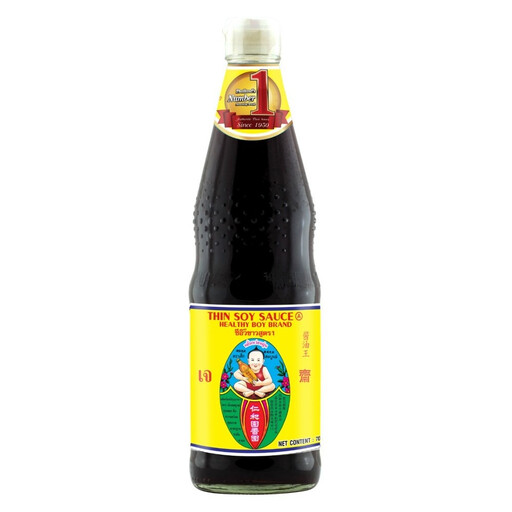
Why it stands out: This Thai light soy sauce is a classic in many Asian households and restaurants. It is made from selected soybeans and offers a characteristic flavour profile typical of Southeast Asian cuisine.
Pros:
Who it's for: Home cooks looking for an authentic and affordable base sauce for preparing stir-fries, soups, and marinades. Users should note that, according to the ingredient list, this product contains the flavour enhancers E621, E627, and E631.
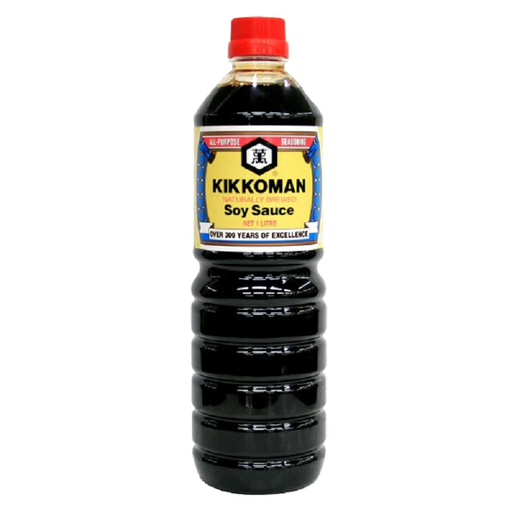
Why it stands out: Kikkoman is globally synonymous with naturally brewed Japanese soy sauce. The recipe is based on just four ingredients—water, soybeans, wheat, and salt—and follows a traditional, months-long brewing process.
Pros:
Who it's for: For anyone who values natural ingredients and an authentic, unadulterated taste. It is the ideal all-purpose sauce for dips (e.g., for sushi), marinades, dressings, and for seasoning a wide range of European and Asian dishes.
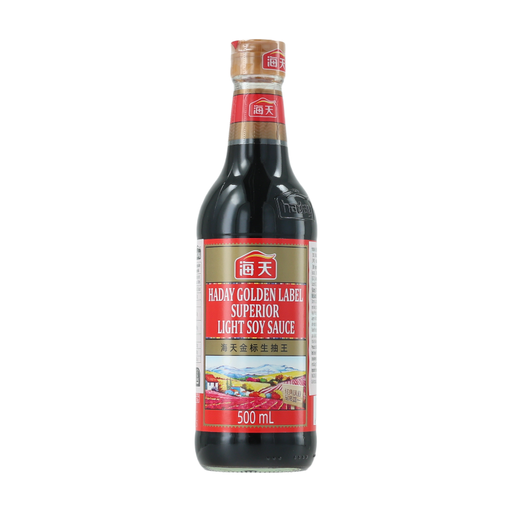
Why it stands out: This Chinese light soy sauce of "Extra Grade" quality is distinguished by its high soybean content of 21.5% (according to the manufacturer) from non-GMO beans. It is also produced using a traditional brewing method.
Pros:
Who it's for: Cooks looking for a high-quality Chinese soy sauce for authentic dishes. It is an excellent choice for stir-fries and as a table condiment. According to the ingredient list, this product contains the flavour enhancers E627 and E631.
For a health-conscious diet or specific dietary requirements, a reduced-sodium soy sauce can be a smart alternative. These varieties offer the full umami flavour but with significantly less sodium.
Discover our selection of reduced-sodium soy sauce and find the right option for your diet.
1. What is the exact difference between light and dark soy sauce? Light soy sauce has a thinner consistency, is saltier, and is mainly used for seasoning without significantly changing the colour of the dish. Dark soy sauce is thicker, less salty but sweeter, and is primarily used to add colour to food.
2. How do I store soy sauce correctly to keep it fresh? Unopened bottles should be stored in a cool, dark place. After opening, it is recommended to keep the soy sauce in the refrigerator. This slows down the oxidation process and helps maintain its flavour and quality over a longer period.
3. Is soy sauce always vegan? Most traditionally brewed soy sauces, like Kikkoman's, consist only of plant-based ingredients (soybeans, wheat, water, salt) and are therefore vegan. However, it is always wise to check the ingredient list, as some products may contain non-vegan additives. When you order Asian groceries online, you can usually find this information in the product description.