
Lieferung heute & morgen

Qualitätsgarantie

Willkommens-Angebote freischalten: KOSTENLOSE Lieferung | Bis zu 80 % RABATT | Kostenlose 30-Tage-JoyPlus-Testphase
App herunterladen
If you’re looking to buy sparkling wine in a 6 x 0.75 L set, you’re probably after a practical multipack for birthdays, weddings, parties, aperitifs or keeping the cupboard stocked. Six bottles of 0.75 litres each make 4.5 litres in total. Buying in bulk can make sense compared with purchasing bottles individually, but only if the taste, sweetness and occasion are a good match.
A six-pack may look like good value at first glance. What matters, though, is the price per 0.75-litre bottle, not just the total price. Remember to factor in delivery costs, any deposit charges and how much storage space you have. A multipack is only practical if you’ll use the bottles within a reasonable timeframe.
These terms describe sweetness, but they aren’t interchangeable. For sparkling wine, Brut usually means a residual sugar content of no more than 12 g/l. Despite its name, “Extra Dry” can be sweeter than Brut. Medium-dry sparkling wine is generally sweeter than dry sparkling wine. Sweet sparkling wine, on the other hand, is aimed at those who prefer a noticeably sweeter style.
Some product descriptions may use terms such as “Brut” and “Extra Dry” side by side. So check the current label and product information for the most accurate details.
Prosecco, Cava, Champagne, Crémant and German sparkling wine are different categories. The name alone doesn’t guarantee a particular taste. Check the origin, grape varieties and production method. For example, Cava and Crémant may be described as traditionally bottle-fermented. Frizzante often has lower carbonation pressure than Spumante or classic sparkling wine, which you’ll notice in the mouthfeel.
Dry styles such as Brut or dry sparkling wine often work well as an aperitif with savoury snacks. For fruity desserts or guests who prefer less acidity, a medium-dry or sweet sparkling wine may be a better choice. Rosé sparkling wine adds a fruitier style, but isn’t automatically sweeter.
Depending on the product, the sets available may have an alcohol content of around 7.5 to 12.5% vol. Lambrusco dell’Emilia IGT Frizzante Semi-Sweet is listed at 7.5% vol., while several dry sparkling wine, Cava and Prosecco options are around 11 to 11.5% vol. The Champagne products mentioned may contain 12 to 12.5% vol.
Many products list sulphur dioxide and sulphites as allergens. If you’re sensitive to these ingredients, check the ingredients and allergen information before buying. Alcoholic drinks are not suitable for children or for consumption during pregnancy. Check the age restriction shown on the product page and packaging.
Recommended serving temperatures are usually between 6 and 10 °C, depending on the product. Store unopened bottles in a cool, dry place away from direct sunlight. Once opened, a suitable sparkling wine stopper will keep the fizz in better than a cork placed loosely on top. Even so, an opened bottle should be kept in the fridge and enjoyed as soon as possible.
Also check the best-before or use-by date shown on the packaging, and look out for any differences between the product description and the current label.
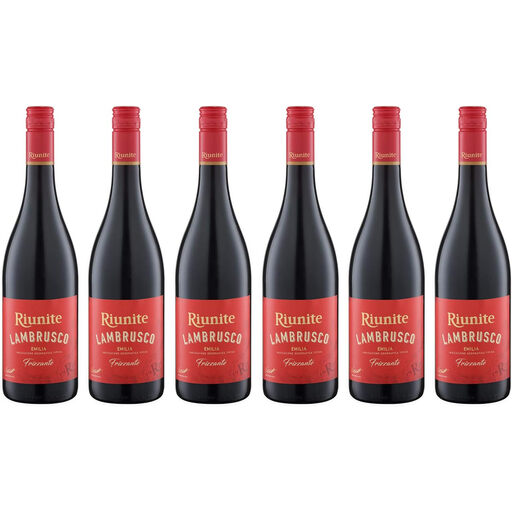
Why it suits this shopper: This Italian Frizzante from Emilia-Romagna comes in six 0.75-litre bottles and has a stated alcohol content of 7.5% vol. Its semi-sweet style suits first-time buyers who prefer fruity flavours and less-dry wines.
The product details clearly state the pack size, origin and alcohol content. This makes it easier to compare the set with drier, higher-alcohol alternatives.
Six bottles; 7.5% vol.; semi-sweet Frizzante from Italy.
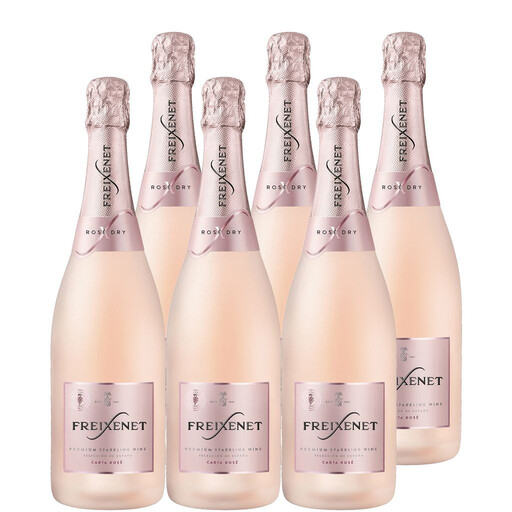
Why it suits this shopper: This Spanish rosé Cava is described as traditionally bottle-fermented, with an alcohol content of 11.5% vol. and a dry style. It’s a good fit for special occasions where origin and production method matter.
Details about its origin, colour, sweetness and bottle fermentation help you choose a rosé for more than just its eye-catching label.
Traditional bottle fermentation; dry rosé Cava; 6 x 0.75 litres.
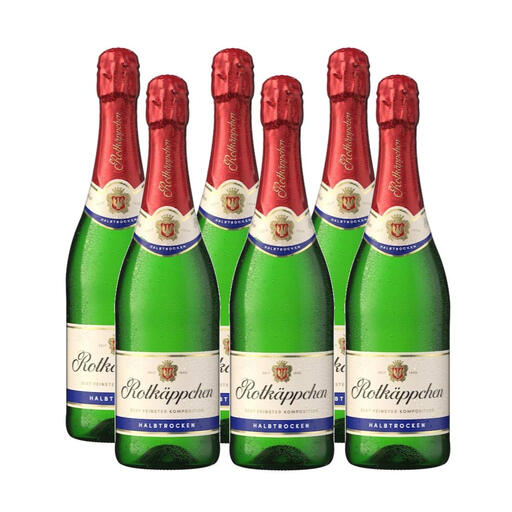
Why it suits this shopper: This German set contains six bottles at 11% vol., making it a good choice for family celebrations, larger gatherings and stocking up. Its medium-dry style sits between very dry and noticeably sweet options.
The clear “medium dry” description helps you choose based on sweetness rather than just the brand or bottle design. Ingredient, sulphite and storage information is also provided.
German sparkling wine; 11% vol.; 4.5 litres in total.
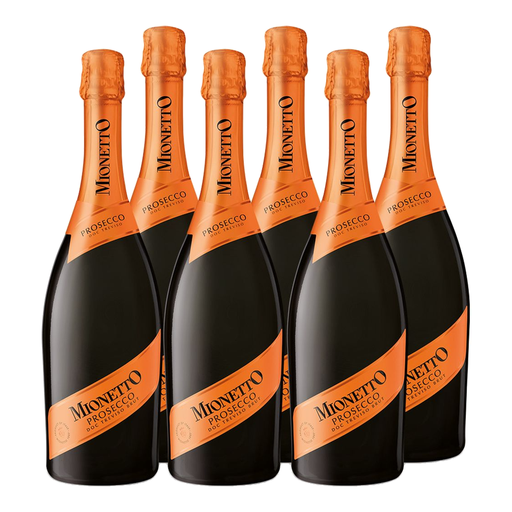
Why it suits this shopper: This Italian Prosecco DOC Spumante is described as having an alcohol content of 11% vol., made from Glera grapes, and best served at 6–8 °C. It goes well with aperitifs, antipasti, seafood and light dishes.
The DOC designation, grape variety, alcohol content and sweetness are useful points of comparison with Frizzante wines in general.
DOC Prosecco; 6 x 0.75 litres; serving temperature 6–8 °C.
We’ve put together a complete, regularly updated list of products that meet these strict selection criteria and fully comply with the safety regulations in force in the EU.
A 0.75-litre bottle serves around six to eight glasses, depending on the size of each pour. So a six-pack should provide roughly 36 to 48 glasses. If you’re hosting a gathering with several guests, an extra bottle may be useful, as pours can vary in size and some guests may want a top-up.
Once opened, sparkling wine gradually loses its fizz. With a suitable sparkling wine stopper and chilled storage, it’s best to drink it within one to three days. The specific recommendation may vary by product. Store unopened bottles according to the instructions on the packaging.
The only way to tell is to compare the price per bottle, including delivery costs. Also check that all six bottles are right for the occasion you have in mind. So, when buying sparkling wine online, compare the total price, volume, alcohol content, sweetness, origin and delivery terms together.