
Lieferung heute & morgen

Qualitätsgarantie

Willkommens-Angebote freischalten: KOSTENLOSE Lieferung | Bis zu 80 % RABATT | Kostenlose 30-Tage-JoyPlus-Testphase
App herunterladen
If you want to buy sparkling wine in a 6 x 0.75 l multipack, you’re usually looking for a manageable quantity for birthdays, weddings, receptions, parties or to keep at home. A case contains 4.5 litres and provides around 45 glasses if you pour about 0.1 litres per glass. This makes it easier to plan than buying bottles individually.
However, products vary considerably in sweetness, origin, alcohol content, closure and intended use. A cheaper case isn’t necessarily the right choice if your guests expect a dry sparkling wine, or you’re looking for a fruity Secco for a reception.
“Dry”, “trocken”, “extra dry” and “halbtrocken” aren’t interchangeable terms. For sparkling wine, the sweetness level describes the residual sugar content. A dry sparkling wine will generally taste less sweet than a semi-dry one. Despite its name, “Extra Dry” can have a noticeable amount of residual sugar, so it isn’t automatically drier than “Dry”.
The type of product matters too:
If you prefer German sparkling wine, check the country of origin and the information on the product label. German sparkling wine can taste different from a Prosecco from Veneto or a Cava from Catalonia. The grape variety also influences the flavour profile: for example, the Doppio Passo Prosecco lists Glera, while Pfaffmann Secco White is made from Müller-Thurgau, Silvaner and Morio Muskat.
Unopened sparkling wine should be stored somewhere cool and dry, away from direct light. Before serving, chill it according to the manufacturer’s instructions, often to around 6 to 10 °C. Once opened, a suitable sparkling wine stopper can help preserve the bubbles for longer.
The products listed contain sulphites, which must be declared as an allergen. Alcoholic drinks are intended for adults only and are not suitable for pregnant women. When shopping for an event, also check that you have enough space to chill the bottles and enough glasses.
A 6-bottle pack of sparkling wine contains six bottles of 0.75 litres each. This simple plan can help you work out how much to buy for an event:
For a reception with small, quick toasts, one case will often serve more people than if you’re pouring generous glasses. For weddings and longer celebrations, it’s sensible to have a few bottles in reserve, without ordering far more than you need.
Depending on the variety, the products in this selection contain around 8 to 11.5% vol. Rotkäppchen Fruchtsecco Passion Fruit, for example, contains 8% vol., while several classic sparkling wine options are listed at 11% vol. A fruit Secco may suit guests who prefer a fruitier, lighter style. If you’re looking for a classic aperitif, consider dry sparkling wine, Prosecco or Cava.
Check the label or product description for the recommended serving temperature. According to the product information, Freixenet Carta Rosé Dry Cava should be served at around 6 to 8 °C, while Maybach Secco Chardonnay should be served at 8 to 10 °C.
A screw cap makes it easier to reseal a bottle and is listed for the Pfaffmann Secco varieties. For other products, use a suitable sparkling wine stopper after opening. Keep opened bottles in the fridge and drink them soon, as they gradually lose their fizz.
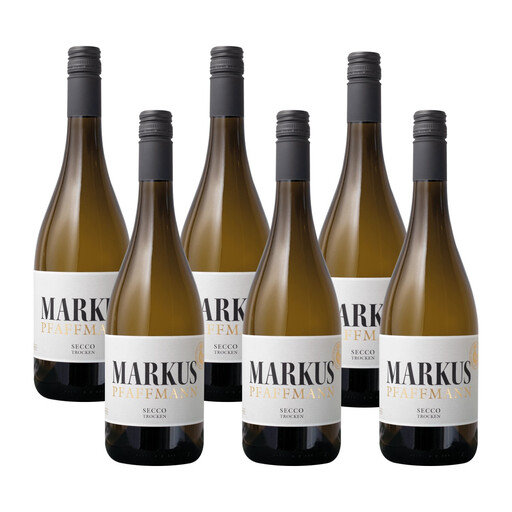
Why this product suits this profile: This white Secco is a good choice if you’re looking for an easy-drinking, fruit-forward semi-sparkling wine from Germany to enjoy with friends.
The grape varieties, origin, 6-bottle pack, 11.0% vol. and screw cap are all clearly stated, making it easier to assess the product before buying.
German Secco from the Palatinate; the grape varieties Müller-Thurgau, Silvaner and Morio Muskat are listed.
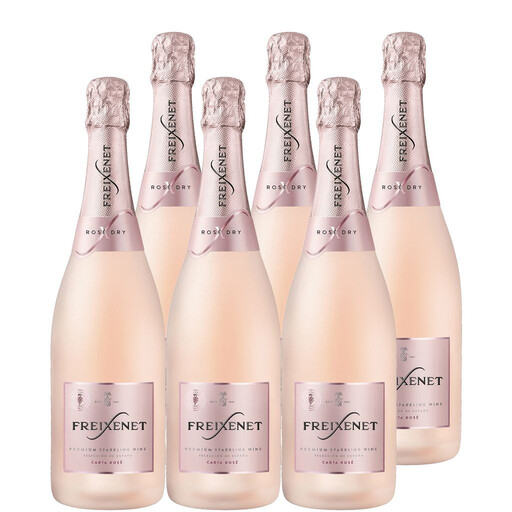
Why this product suits this profile: This Spanish Cava is a good choice for weddings, birthdays and receptions where origin and traditional bottle fermentation matter.
The product description states its origin, dry style and traditional bottle fermentation, as well as its 11.5% vol. alcohol content and recommended serving temperature of 6 to 8 °C.
Rosé Cava from Spain; fruity aromas and 17 g/l residual sugar are listed.
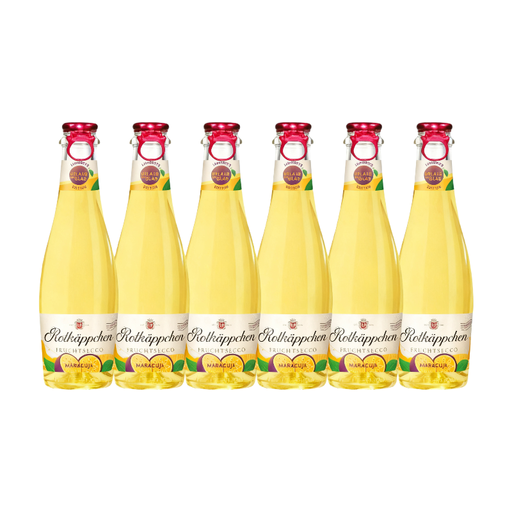
Why this product suits this profile: This fruit Secco is a good choice for celebrations where you want a flavoured, fruity alternative to classic sparkling wine.
It’s clearly labelled as a wine-based drink with passion fruit juice, rather than a classic dry sparkling wine.
The product information lists 8% vol., 1% passion fruit juice and a recommended serving temperature of 8 °C.
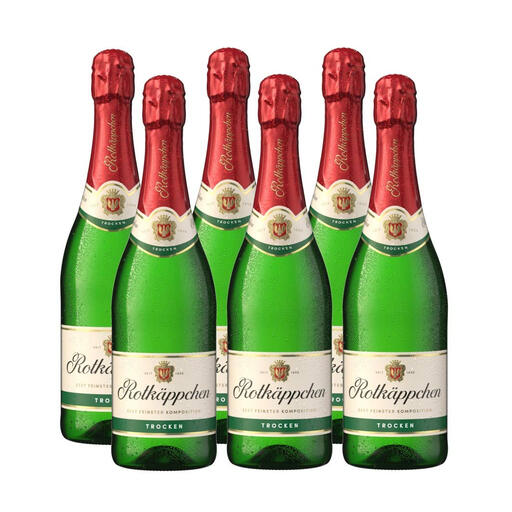
Why this product suits this profile: This classic German sparkling wine is ideal for toasting at birthdays, receptions and private celebrations with a group of guests.
This variety is labelled as dry. Details of its 11% vol. alcohol content, German origin and sulphites help you choose for classic occasions.
Six bottles of 0.75 litres each; the nutritional information lists 76 kcal and 2.4 g of sugar per 100 ml.
We’ve put together a complete, regularly updated list of products that meet these strict selection criteria and fully comply with the safety regulations in force in the EU.
Depending on how full you pour each glass, a 0.75-litre bottle provides around six to seven small servings. That means a 6-bottle pack will give you roughly 36 to 45 glasses. This may be enough for a larger group at a short reception; for a celebration lasting several hours, it’s best to allow for extra bottles.
Keep unopened bottles somewhere cool and dry, away from light. Follow the specific instructions from the manufacturer. Chill the bottles before serving. Store opened bottles in the fridge and drink them as soon as possible.
Not always. The terms belong to different categories and can be interpreted differently for sparkling wine, Prosecco and Cava. If you’re looking for a dry sparkling wine, check the sweetness description, residual sugar and product type together, rather than relying on the word “Dry” alone.