
Lieferung heute & morgen

Qualitätsgarantie

Willkommens-Angebote freischalten: KOSTENLOSE Lieferung | Bis zu 80 % RABATT | Kostenlose 30-Tage-JoyPlus-Testphase
App herunterladen
If you want to buy sparkling wine and Champagne online, you’ll quickly find a wide choice of individual bottles, gift packs and multipacks. However, the names aren’t interchangeable: Champagne comes from the French region of Champagne, Prosecco from designated areas of Italy, and Cava from Spain. The sweetness level, alcohol content, bottle size and pack contents can also affect whether a product is right for the occasion.
“Sparkling wine” is a broad category. Champagne must come from the Champagne region and be made according to the rules that apply there. Cava is a Spanish quality sparkling wine, while Prosecco comes from Italy and is also available as a DOC product. An affordable sparkling wine may suit your taste, but it isn’t automatically a substitute for Champagne.
Terms such as Brut, Extra Dry, Seco, Demi-Sec, medium-dry or mild indicate the sugar content. “Extra Dry” can be sweeter than “Brut”. So, if you’re looking for a dry taste, check the specific product details rather than relying on words such as “fruity” or “smooth”.
A six-pack of sparkling wine usually contains six 0.75-litre bottles, although smaller formats may come in 0.2-litre bottles. Before buying, check the number of bottles, total volume, alcohol content and storage instructions. For a private celebration, it’s also worth considering whether the quantity suits your guest list and how you plan to serve it.
Dry styles are often chosen as an aperitif or to serve with seafood, salads and light starters. Dry sparkling wine or Brut usually pairs well with savoury snacks and works as a neutral welcome drink. Medium-dry sparkling wine, Demi-Sec or a mild style may suit guests who prefer a noticeably fruitier, softer taste.
Rosé sparkling wine offers a different colour and often has fruity aromas. But colour alone doesn’t tell you how sweet it is. Rosé wines can also be dry, extra dry or medium-dry.
Glera is the typical grape variety used in Prosecco; production in tanks helps create its fresh, fruit-forward character. Cava is made according to traditional regulations and comes from Spain. Champagne is typically made from Chardonnay, Pinot Noir and Pinot Meunier, and continues to develop in the bottle.
These details are useful for comparing products, but your personal taste matters too. If you want to buy Champagne online, also check the region, cuvée, dosage, alcohol content and serving temperature.
Most of the products mentioned contain around 10 to 12.5% vol. alcohol. Product information also regularly lists sulphur dioxide or sulphites as an allergen. If you’re sensitive to these, be sure to check the details.
Before serving, it’s worth following the producer’s temperature recommendations, which may be around 6 to 10 °C, depending on the product. Reseal opened bottles, keep them chilled and drink them soon, as they will gradually lose their fizz. Unopened bottles are best stored somewhere cool and dry, away from direct sunlight.
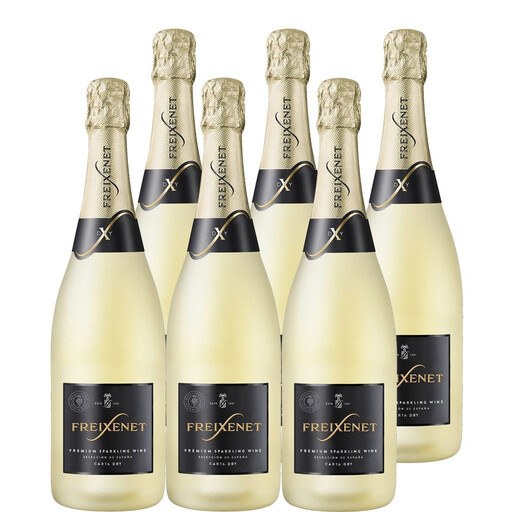
Why it suits this profile: The six-pack contains 0.75-litre bottles, making it a good choice for private celebrations, multiple occasions or stocking up in advance.
The product details clearly state the origin, number of bottles, volume and dry style. This makes it easier to work out how much you’re getting before you buy.
Spanish Cava, Seco, 11.5% vol. and suitable for vegetarians and vegans, according to the product details.
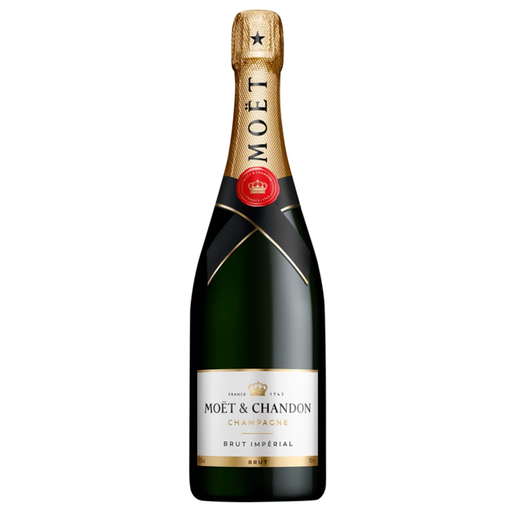
Why it suits this profile: This single bottle is a good choice for a reception, a gift or an occasion where Champagne’s protected origin matters.
The product page identifies it as Champagne and lists its 0.75-litre volume, 12% vol. alcohol content and sulphites. This means you can check key buying criteria in advance.
Brut Champagne in a 0.75-litre bottle; the product details recommend serving at 8–10 °C.
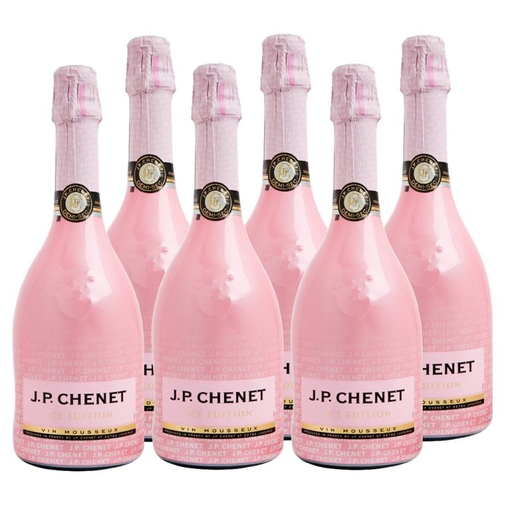
Why it suits this profile: This six-pack is ideal for larger gatherings and for anyone looking for rosé sparkling wine to serve at a social occasion.
The product description lists six bottles, 4.5 litres in total, 11% vol. and a medium-dry style. It also gives the recommended serving method: chilled.
Rosé sparkling wine from France, Demi-Sec, 6 × 0.75 litres; the product details note red berry and peach flavours.
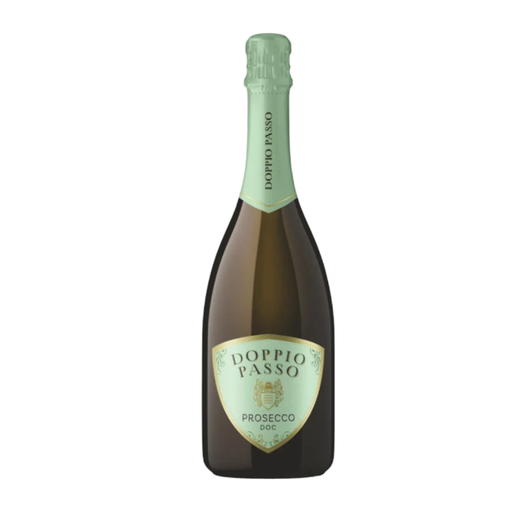
Why it suits this profile: A single bottle for an aperitif, light starters or cocktails such as Spritz variations.
The product details specify Prosecco DOC, the Glera grape variety, the production method and the Extra Dry sweetness level.
Italian Prosecco DOC, 0.75 litres and 11% vol.; the product details note apple, pear and citrus flavours.
We’ve put together a complete, regularly updated list of products that meet these strict selection criteria and fully comply with the safety regulations in force in the EU.
A standard 0.75-litre bottle yields around six to eight servings, depending on the size of the glasses. A smaller quantity is often enough for a short reception; for a longer celebration, consider whether other drinks will be available too. A six-pack of sparkling wine contains 4.5 litres in total, making it easy to calculate how much you need.
Once opened, sparkling wine gradually loses its fizz. Use a suitable sparkling wine or Champagne stopper, keep the bottle upright in the fridge, and aim to drink it within one to three days. Always follow the specific producer’s instructions on the product page and packaging.
First check the origin, then the sweetness level, bottle size, alcohol content, allergens and pack contents. Brut or Seco can be good starting points if you prefer a dry taste; however, Prosecco labelled “Extra Dry” may contain more sugar than Brut. Checking the full product details is a more reliable way to avoid buying the wrong thing than judging by the brand or packaging alone.