
Lieferung heute & morgen

Qualitätsgarantie

Willkommens-Angebote freischalten: KOSTENLOSE Lieferung | Bis zu 80 % RABATT | Kostenlose 30-Tage-JoyPlus-Testphase
App herunterladen
Choosing the right sparkling wine can be a challenge, given the vast array of Sekt, Champagne, Prosecco, and Cava. Whether for a wedding, an aperitif, or a special occasion, making the right choice is crucial. However, vague labels and marketing promises often lead to disappointment. This guide will help you avoid the most common pitfalls and make an informed decision that perfectly suits your occasion and taste.
Before you order sparkling wine online, you should be aware of two widespread misconceptions that often lead to an unsuitable purchase.
To find the right sparkling wine, focus on objective criteria rather than advertising slogans. The following three parameters are essential.
The most important information on the label is the sweetness level, which indicates the residual sugar content in grams per litre. This scale is standardised across the EU and helps you to accurately assess the taste.
For a classic aperitif or to accompany savoury dishes, a Brut variety is often an excellent choice.
The production method has a significant impact on the quality of the perlage (the bubbles) and the complexity of the aroma.
Are you planning a large celebration like a wedding reception or a birthday? Then the pack size is a practical factor. A case of 6 bottles of Sekt is not only more cost-effective but also simplifies logistics. Lighter, more approachable sparkling wines like a dry Sekt or Prosecco are well-suited for a reception. For a special moment for two or as a gift, a complex vintage Champagne or a fine Crémant can be the right choice.
Here are some recommendations tailored to different needs and profiles.
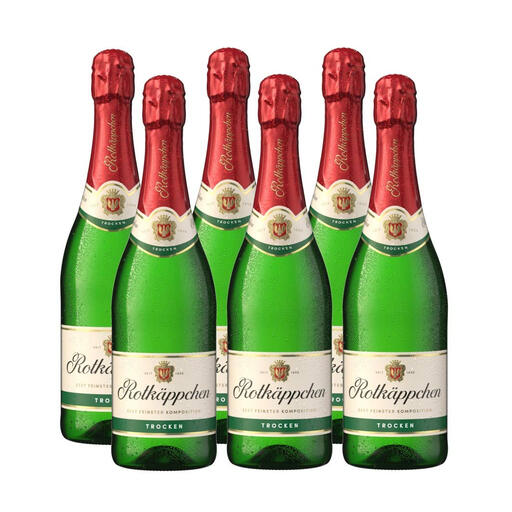
Why this product is a match: Ideal for celebrations where a reliable and universally popular Sekt is needed in larger quantities. The Rotk?ppchen Sekt is a classic at German festivities and offers excellent value for money.
The "Trocken" (Dry) designation is clearly defined here and corresponds to the expected taste profile of an off-dry, fruity Sekt that appeals to a wide audience and is not too crisp.
Delivered in a practical case of 6, which simplifies planning and purchasing for events. Offers consistent, recognised quality.
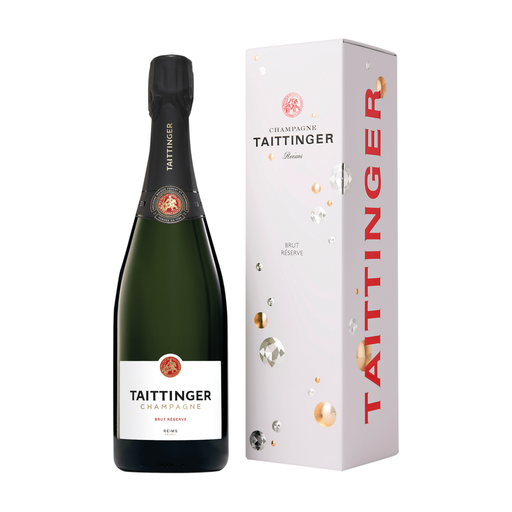
Why this product is a match: For connoisseurs seeking an elegant and balanced Champagne for a special occasion. Taittinger Champagne is known for its high proportion of Chardonnay, which lends it freshness and finesse.
Here, you're not just paying for the name. The quality is based on traditional bottle fermentation and a long ageing period, resulting in complex aromas of brioche and peach.
The Brut classification ensures a harmonious, dry taste. The fine perlage and elegant notes make it a versatile companion for festive moments.
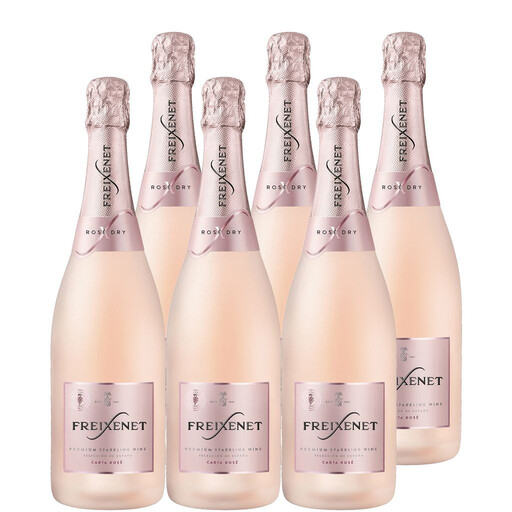
Why this product is a match: This Rosé sparkling wine (technically a Cava) is a modern and visually appealing choice for social gatherings. The Freixenet Cava combines fruity aromas with a dry character, ideal as an aperitif.
The "Dry" (Seco) designation indicates an off-dry taste that harmonises with fruity freshness. It avoids the "Dry" trap by offering a balanced, accessible profile.
Produced using traditional bottle fermentation, which signifies high quality for a Cava in this price range. The elegant rosé colour makes it an eye-catcher.
We have compiled a complete, up-to-date list of products that fully meet these strict selection criteria and quality standards.
The differences lie mainly in origin, grape varieties, and production methods. Champagne can only come from the Champagne region of France and is made using traditional bottle fermentation. Prosecco comes from designated regions in Italy, is typically made from the Glera grape using the tank method, and is therefore fruitier. Sekt is the German term for quality sparkling wine. High-quality German Sekt, especially Winzersekt, is also made using traditional bottle fermentation and can rival Champagne in quality.
Store unopened bottles in a cool, dark place with a constant temperature, ideally upright to maintain pressure on the cork. The optimal serving temperature is between 6 and 8 °C. Chill the bottle slowly in the refrigerator, not in the freezer, as this can harm the aroma. Use tall, narrow sparkling wine glasses to preserve the bubbles for as long as possible.
"Brut" is drier than "Dry." A sparkling wine labelled Brut has a residual sugar content of up to 12 g/l and therefore tastes crisp and fresh. A sparkling wine labelled Dry (or Sec) has a higher sugar content of 17 to 32 g/l and therefore tastes noticeably fruitier and slightly sweet. So, if you truly like it dry, you should opt for Brut or Extra Brut.