
Lieferung heute & morgen

Qualitätsgarantie

Willkommens-Angebote freischalten: KOSTENLOSE Lieferung | Bis zu 80 % RABATT | Kostenlose 30-Tage-JoyPlus-Testphase
App herunterladen
The selection of sparkling wines can be overwhelming. Whether for a large celebration, a quiet evening for two, or as a gift—finding the right product isn't always easy. Many buyers rely on well-known brand names or vague advertising promises, only to be disappointed in the end. This guide will help you avoid the most common pitfalls and make an informed decision the next time you buy sparkling wine.
A frequent problem is the confusion caused by labels. A term like "trocken" on a German Sekt means something different from "Brut" on a Champagne, which can lead to unexpected taste experiences. Another pitfall is the assumption that only expensive Champagne guarantees high quality. Often, a Crémant or Cava can offer a comparable experience at a fraction of the price. Finally, the occasion is often ignored: a complex vintage Champagne might be less suitable for a casual garden party than a fresh, straightforward Prosecco.
To ensure you find the right sparkling wine for your needs, you should consider three core parameters. These will help you distinguish marketing hype from actual product quality.
The residual sugar content is one of the most important factors, yet it is often misunderstood. The designations are regulated EU-wide but can be interpreted differently depending on the type of sparkling wine. Here is a guide from driest to sweetest:
The term "sparkling wine" is an umbrella category for a wide variety of products, each differing in its origin and production method.
The choice should depend on the occasion. Are you planning a large party or a reception? Then a 6-pack of Sekt or Prosecco is often the most pragmatic choice. Products like Rotk?ppchen Sekt are known for their consistent quality and are well-suited for a larger crowd. For a special moment, an anniversary, or as a high-end gift, premium products like a Mo?t & Chandon or Veuve Clicquot Champagne are a fitting choice. Looking for something for a summer evening? A rosé Sekt or a light Frizzante, perhaps served over ice, can be a refreshing option. A non-alcoholic Sekt is also an excellent alternative so that all guests can join in the toast.
Based on the criteria above, we have compiled a selection of products for different profiles and occasions.
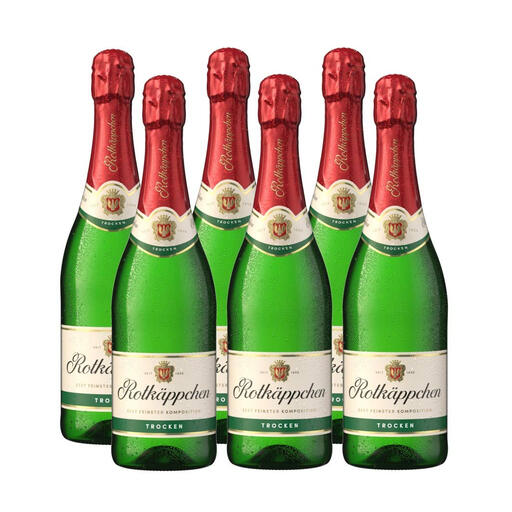
Why This Fits Their Persona: Ideal for larger parties and receptions. As one of Germany's most famous Sekt brands, Rotk?ppchen offers reliable, balanced quality that is popular with many guests. Furthermore, buying a 6-pack of Sekt is a budget-friendly choice.
This product avoids the mistake of overspending on a niche sparkling wine for a large event. It offers an accessible, harmoniously dry taste that is versatile and crowd-pleasing.
Consistent flavour profile with a lively effervescence. Excellent value for money, especially in a bulk pack for Sekt for celebrations.
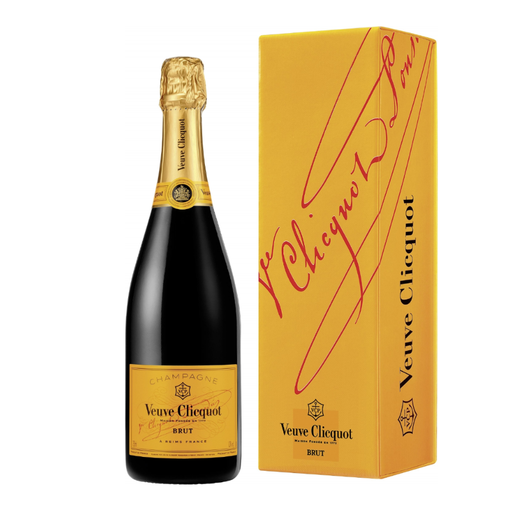
Why This Fits Their Persona: For occasions that call for something truly special. This Champagne is a global benchmark for quality and style. Its balanced structure and aromas of brioche and fruit make it the ideal choice for anniversaries, weddings, or as an exclusive gift.
Instead of gambling on an unknown, high-priced product, this is an established classic. You are investing in a known and reliable quality that lives up to the occasion.
Complex yet accessible flavour profile. The dominance of Pinot Noir provides structure, while Chardonnay adds elegance. Fine, persistent bubbles.
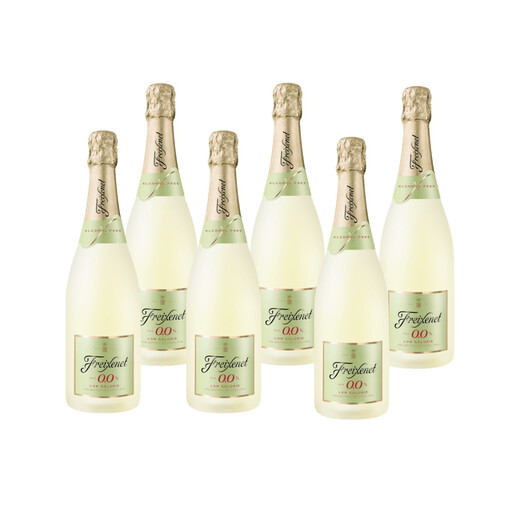
Why This Fits Their Persona: Perfect for anyone who wants or needs to avoid alcohol but doesn't want to miss out on the festive feeling of a toast. This non-alcoholic Sekt offers a stylish alternative to juices or water, allowing all guests to participate.
It avoids the trap of non-alcoholic options often being just sugary sodas. Through a gentle de-alcoholisation process, this product retains its sparkling wine-like character and offers a sophisticated taste experience.
Fruity notes of Muscat, mango, and passion fruit. Refreshing and balanced in taste, without the dominant alcohol. Ideal for designated drivers, pregnant women, or health-conscious individuals.
We have compiled a complete, real-time updated list of products that fully meet these strict selection criteria and UK regulations.
After opening, sparkling wine quickly loses its carbonation. With a special pressure-sealed stopper for sparkling wine bottles, its shelf life in the refrigerator can be extended to about 1 to 3 days. Without such a stopper, it is advisable to finish the bottle on the same day, as the bubbles will noticeably diminish after just a few hours.
The main difference lies in the origin and production method. Champagne comes exclusively from the Champagne region of France and is made using traditional bottle fermentation. Prosecco comes from Northern Italy and is usually produced using the tank method, which makes it fruitier. Sekt is the German term for sparkling wine; its quality and production method can vary widely, from simple tank fermentation to high-quality traditional bottle fermentation for Winzersekt.
The ideal serving temperature for most sparkling wines is between 6 and 8°C. Lighter, fruitier varieties like Prosecco or a basic Sekt can also be served slightly cooler. More complex sparkling wines like vintage Champagne or Crémant develop their aromas better at a slightly higher temperature of 8 to 10°C. Serving it too cold suppresses the aromas, while serving it too warm highlights the taste of alcohol and can make the bubbles seem coarse.