
Lieferung heute & morgen

Qualitätsgarantie

Willkommens-Angebote freischalten: KOSTENLOSE Lieferung | Bis zu 80 % RABATT | Kostenlose 30-Tage-JoyPlus-Testphase
App herunterladen
If you’re looking to buy sparkling wine, you’ll find a wide selection online, from German Sekt and Italian Prosecco to Spanish Cava, French Champagne and other sparkling wines. The differences aren’t just about price. Sweetness, origin, bottle size, alcohol content and pack size all help determine whether a product is right for a reception, wedding, dinner or regular stock-up.
As a Joybuy Product Recommendation Officer, I pick out the most important details from product descriptions and organise them around practical buying situations. This can help you avoid common mistakes when you buy sparkling wine online.
The terms on a label aren’t always intuitive. Brut, Extra Brut, Dry, Extra Dry, medium-dry and mild refer to different sweetness levels. In terms of taste, ‘Extra Dry’ can actually seem sweeter than ‘Brut’.
So if you’re looking for a dry sparkling wine, check the exact description and, where available, the sugar content. Brut or dry styles are often chosen to go with savoury dishes and as a classic aperitif. Sweeter sparkling wines, Asti and fruit Secco tend to work better with desserts, fruity mixed drinks or guests who prefer a gentler flavour.
Champagne comes from the Champagne region of France, where it is made according to specific production rules. Prosecco is an Italian protected designation of origin, while Cava comes from Spain. German Sekt and Italian Frizzante can also be interesting choices, but neither can be described as Champagne.
The production method also affects the wine’s character. Details such as bottle fermentation, ageing time and tank fermentation can offer clues about its style and bubbles. However, origin alone is not a reliable guide to your personal taste.
A six-bottle pack of sparkling wine contains 4.5 litres in total if each bottle holds 0.75 litres. This is a good option for larger celebrations, weddings, offices or stocking up. For a single evening, a smaller bottle or a format such as 12 × 0.2 litres may be more practical.
You should also compare the price per bottle, total weight and storage space required. A low-priced case isn’t automatically the right choice if you only need a few bottles.
Start by thinking about how you plan to serve it:
With Prosecco, look out for the difference between Brut, Extra Dry and other descriptions. Cava also comes in different sweetness categories. For Champagne, terms such as Extra Brut, Brut and Demi-Sec offer useful guidance.
The products listed here range from 7.0 to 12.5 per cent alcohol by volume, for example. According to the product information, Cinzano Asti Spumante has an alcohol content of 7.0% vol., while several Champagnes are between 12.0 and 12.5% vol.
Also check for:
Alcoholic drinks are not suitable for children or pregnant women. Age checks apply when buying online and on delivery. In Germany, the legal minimum age for buying Sekt and wine is generally 16; retailers may carry out additional checks.
The recommended serving temperature is often between 6 and 10 °C, depending on the product. For example, product information recommends serving Prosecco at 6 to 8 °C, while some German Seccos are best served at 8 to 10 °C.
Store unopened bottles somewhere cool, dry and out of direct light. Once opened, a suitable sparkling wine stopper will help keep the fizz for longer. Even so, an opened bottle should be kept in the fridge and drunk as soon as possible.
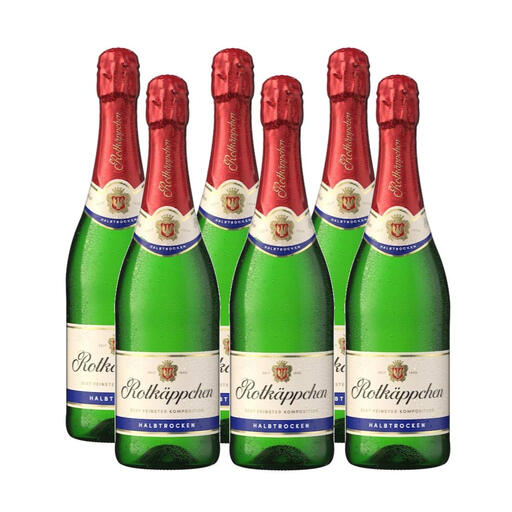
Why it suits this profile: The six-pack of 0.75-litre bottles is ideal for celebrations at home, having guests over or keeping a planned stock. Medium Dry is a good choice if Brut styles taste too dry for you.
The clear ‘Medium Dry’ description means you won’t mistake its flavour for completely dry. The product description also lists the ingredients, nutritional information and 11% vol. alcohol content.
Six standard bottles, made in Germany according to the product information, with a clear nutritional information table.
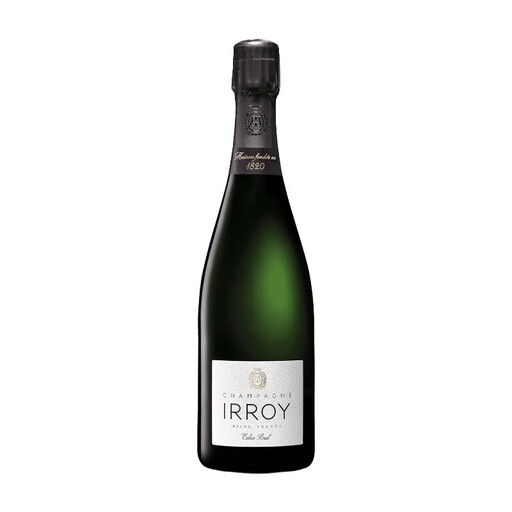
Why it suits this profile: This single bottle is a good choice for an aperitif, a business dinner or a gift. The product information describes a blend of Pinot Noir, Pinot Meunier and Chardonnay, aged in the bottle for at least 30 months.
Both the Champagne origin and Extra Brut style are clearly stated, so you’re not left to judge the sparkling wine on a vague ‘premium’ claim alone.
French Champagne in a 0.75-litre bottle; according to the product information, 68 kcal and 0.6 g of sugar per 100 ml.
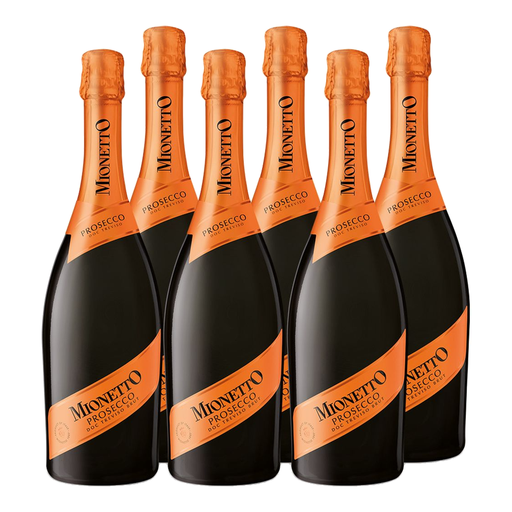
Why it suits this profile: This six-pack of Italian Prosecco is ideal for hosts who are preparing several aperitifs or regularly need sparkling wine for guests.
The product is clearly labelled Prosecco DOC, with the Glera grape variety, Veneto origin and Brut sweetness level all specified.
Six bottles, 11% vol. alcohol, a recommended serving temperature of 6 to 8 °C and, according to the product information, 1.4 g of sugar per 100 ml.
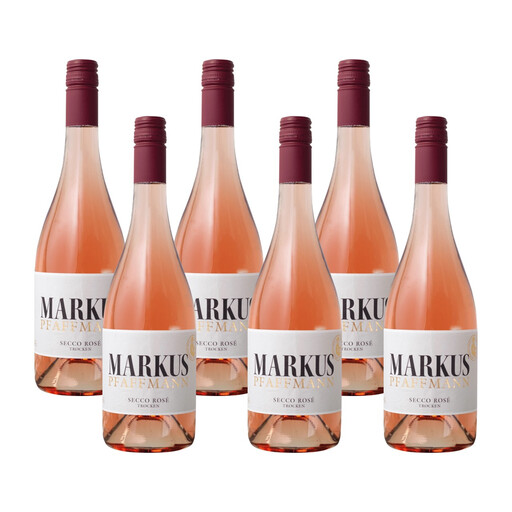
Why it suits this profile: This German rosé Secco from the Palatinate is a good choice for summer evenings, receptions and groups looking for a rosé alternative to white sparkling wine.
The product details specify the colour, Portugieser grape variety, Palatinate origin, 11% vol. alcohol and screw cap, so you can check the key buying details in advance.
Six 0.75-litre bottles, rosé colour and a clearly stated dry style.
We’ve put together a complete, regularly updated list of products that meet these strict selection criteria and fully comply with the safety regulations in force in the EU.
Store unopened sparkling wine somewhere cool, dry and out of direct light. For products without a prominent vintage, the focus is usually on enjoying them fresh rather than ageing them for a long time. Check the information on the packaging and avoid significant temperature changes.
A 0.75-litre bottle makes around five to six glasses, depending on the glass size and how much you pour. For a reception with 20 people, four to five bottles is a useful starting point. You’ll need more for a longer celebration, if you’re serving other drinks or if you expect to pour generously. Six-packs are handy for larger groups; a 12-pack of 0.2-litre bottles can work well for individual servings.
Sekt is a general term for quality sparkling wine made according to specific legal requirements. Prosecco comes from Italy and is available as Frizzante or Spumante. Cava is a Spanish sparkling wine with a protected designation of origin. Champagne comes exclusively from the Champagne region of France. When buying, consider the origin, sweetness, production method, alcohol content and pack size together.