
Lieferung heute & morgen

Qualitätsgarantie

Willkommens-Angebote freischalten: KOSTENLOSE Lieferung | Bis zu 80 % RABATT | Kostenlose 30-Tage-JoyPlus-Testphase
App herunterladen
If you want to buy sparkling wine, Champagne & Prosecco online, you’ll find a wide selection of bottles, gift sets and 6-bottle packs. Product names alone, however, don’t tell you whether a drink will suit the occasion, your preferred level of sweetness or the food you’re planning to serve. Rosé sparkling wines are particularly easy to get wrong: a striking bottle colour is no reliable guide to flavour, and terms such as “Brut” and “Extra Dry” are often confused.
A deep rosé hue doesn’t automatically mean a wine is sweet or particularly fruity. Rosé sparkling wine can be made in a dry, medium-dry or sweeter style. So, if you want to buy rosé sparkling wine, check the sweetness description first rather than judging by the colour or label.
For sparkling wine, “Extra Dry” refers to a different level of sweetness from “Brut”. A Prosecco Extra Dry can therefore taste rounder and fruitier than a Brut. If you’re after the driest possible style, look for terms such as Brut, Seco or Dry within the relevant appellation system, as well as the residual sugar information.
A 0.75-litre bottle is ideal for a small dinner or as a gift. For weddings, birthdays or regular aperitifs, a 6-bottle pack of sparkling wine may be more practical. Before buying, check the number of bottles, total volume, storage space and how much you expect to drink. Once opened, sparkling wines also lose their fizz relatively quickly.
Champagne can only come from the Champagne region of France and must meet protected production requirements. French Champagne is therefore not just any French sparkling wine. When choosing Italian Prosecco, look for the Prosecco DOC or DOCG designation and the Glera grape variety. Spanish Cava usually comes from Catalonia and is traditionally fermented in the bottle.
Sparkling wine can come from Germany or other countries. German sparkling wine and wines with a protected designation of origin, such as Champagne or Cava, shouldn’t be compared on price alone. Origin, production method and ageing time all affect style and price.
These terms can help you choose:
If you’re looking for dry sparkling wine to serve with oysters, fish, sushi or savoury snacks, Brut is often a good choice. Medium-dry sparkling wine may pair better with fruity desserts or suit guests who prefer less acidity. The overall flavour also depends on acidity, grape variety and serving temperature.
The standard bottle size is 0.75 litres. A 6-bottle pack at this size contains 4.5 litres in total, making it a good choice for larger gatherings or stocking up. Store unopened bottles in a cool, dry place away from direct light. For many products, the recommended serving temperature is between 6 and 10 °C. After opening, a suitable sparkling wine or Champagne stopper can help preserve the fizz for longer.
All the alcoholic products mentioned contain sulphites. Always check the information on the product page and label. Keep alcoholic drinks out of children’s reach and enjoy them responsibly.
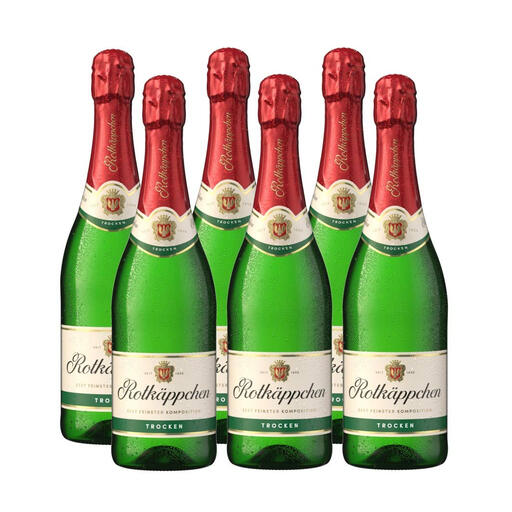
Why this product suits this profile: The 6-bottle pack of 0.75-litre bottles is ideal for celebrations, birthdays and regular aperitifs. Its dry style makes it a versatile choice.
The pack size makes it easy to see how much you’re buying, reducing the risk of underestimating how many bottles you’ll need for a larger gathering.
Dry style, 6 × 0.75 litres and 11% vol. According to the product information, it is from Germany.
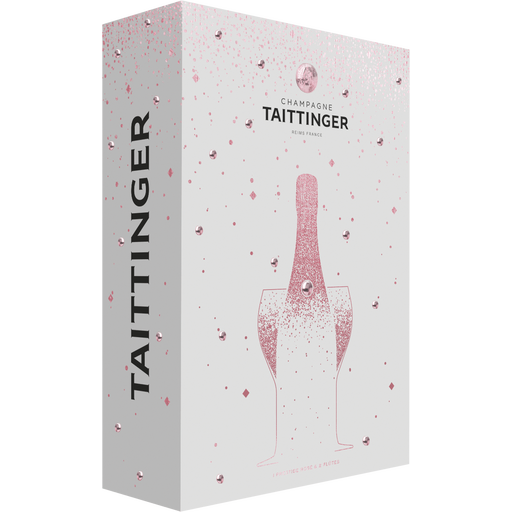
Why this product suits this profile: This gift set pairs a 0.75-litre bottle of rosé Champagne with two original Lehmann Champagne glasses, making it ideal for special occasions.
There’s more to consider than the packaging: its Champagne origin, natural cork, 12.5% vol. and recommended serving temperature of 8–10 °C are all clearly stated.
Rosé Champagne from France, a gift set with two glasses, and food pairing suggestions for desserts, fish and salads.
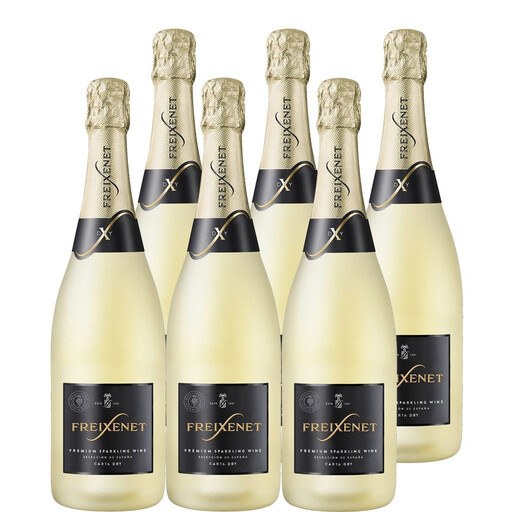
Why this product suits this profile: This 6-bottle pack of Spanish Cava is ideal for larger gatherings and aperitifs, and pairs well with seafood, salads and light poultry dishes.
The origin, pack size and sweetness level are clearly stated, making it easier to match your purchase to the number of guests and the menu.
Spanish Cava, 6 × 0.75 litres and 11.5% vol. According to the product information, it is suitable for vegetarian and vegan diets.
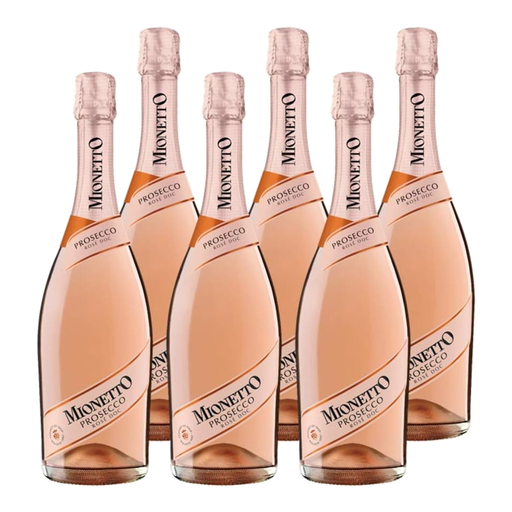
Why this product suits this profile: This rosé Prosecco combines Italian DOC origin with a 6-bottle pack, and pairs well with finger food, seafood and light starters.
The Brut designation, grape blend of 85% Glera and 15% Pinot Noir, and recommended serving temperature of 6–8 °C give you clear points of comparison.
Italian Prosecco Rosé DOC, 6 × 0.75 litres and 11% vol. According to the product information, it has a fine, persistent fizz.
We’ve put together a complete, regularly updated list of products that meet these strict selection criteria and fully comply with the safety regulations in force in the EU.
A 0.75-litre bottle serves around six to eight glasses, depending on the size of the glass. You’ll need a different amount for a reception where guests are only raising a glass than for an aperitif lasting several hours. A 6-bottle pack can make planning easier for larger gatherings. Remember to stock up on non-alcoholic drinks and still drinks too.
The fizz noticeably fades after opening. A suitable sparkling wine stopper and storing the bottle in the fridge can help keep it fresh for a short time. It’s best to drink it as soon as possible. Re-corking an opened bottle or using an unsuitable stopper won’t reliably preserve the bubbles.
Price depends on several factors, including origin, brand, production method, ageing time and pack size. Prosecco and Cava are often available in larger multipacks. Champagne comes exclusively from the Champagne region, and its protected designation and longer ageing times can mean a higher price. When comparing options, consider the price per litre, number of bottles, sweetness level and intended use together.