
Lieferung heute & morgen

Qualitätsgarantie

Willkommens-Angebote freischalten: KOSTENLOSE Lieferung | Bis zu 80 % RABATT | Kostenlose 30-Tage-JoyPlus-Testphase
App herunterladen
Published on July 28, 2026 by Joybuy Product Recommendation Officer
The selection of sparkling wines on the shelf or online can be overwhelming. Between Champagne, Sekt, Prosecco, and Crémant, it's easy to lose track. Often, vague labels or clever marketing lead to purchasing decisions that don't match your taste or the occasion. Before you next buy sparkling wine, you should be aware of two common pitfalls to make a more informed decision.
This guide will help you navigate these hurdles and find the perfect sparkling wine for your taste and occasion.
To avoid disappointment, it helps to understand three core parameters. These will give you the necessary guidance to interpret labels correctly and make a conscious choice.
The most important indicator of the flavour profile is the residual sugar content. The designations are regulated across the EU but can cause confusion depending on the language and region.
For a classic sparkling wine for an aperitif, a bottle labelled Brut is usually a safe bet.
The origin and production method significantly determine the character and price of a sparkling wine.
The choice of sparkling wine should suit the occasion.
Here are a few recommendations tailored to different needs and profiles.
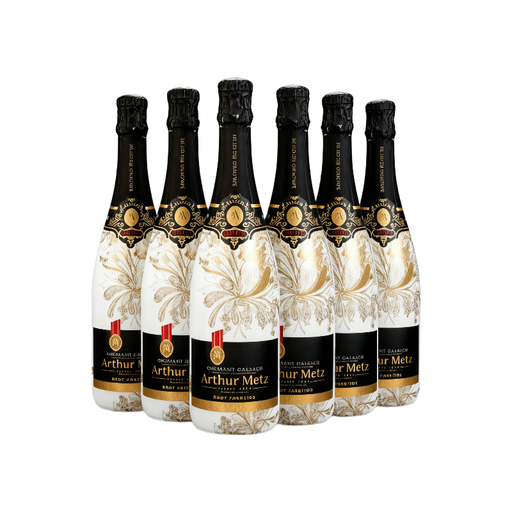
Why This Fits Their Persona: Ideal for those who appreciate the complexity of traditional bottle fermentation but don't want to pay Champagne prices. An elegant aperitif with character.
This Crémant bypasses the price-origin fallacy. It offers the quality and production method of a Champagne at a much more accessible price point.
Traditional bottle fermentation; aromas of white fruits and floral notes; versatile with seafood and poultry.
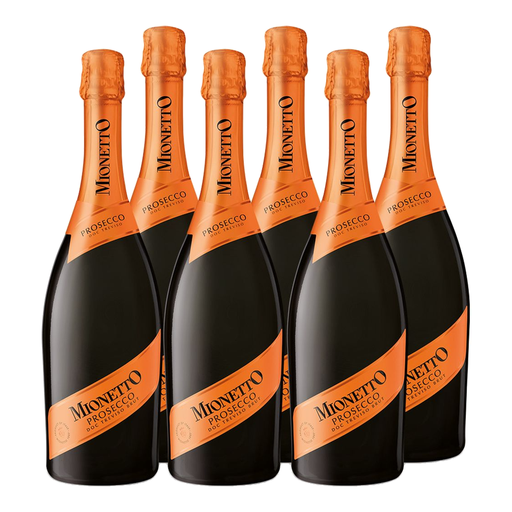
Why This Fits Their Persona: Perfect for social gatherings, as a base for cocktails, or as an easy-drinking aperitif. The case of 6 is practical for party planning and ensures you won't run out.
This Prosecco is clearly labelled "Brut," delivering the expected dry, fruity freshness. It fulfils the promise of a light, approachable sparkling wine with no hidden sweetness.
Classic Prosecco profile with notes of apple and acacia honey; ideal for cocktails; practical value pack of 6.
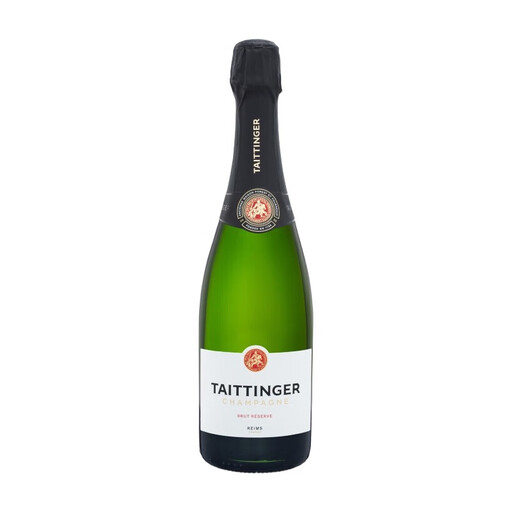
Why This Fits Their Persona: For special moments or as a stylish gift. This Champagne from a renowned house represents elegance and a consistently high quality that connoisseurs appreciate.
Here, you are paying for verifiable quality: a long ageing period of 3-4 years on the lees and a complex blend of three grape varieties. The price reflects the intricate production process.
High Chardonnay content (40%) for finesse; aromas of peach, brioche, and vanilla; comes in an elegant Champagne gift box.
If you're specifically looking for dry sparkling wines, we've curated a selection of products that meet our criteria for quality and flavour profile.
Most non-vintage sparkling wines (e.g., standard Champagne, Prosecco, Sekt) are intended for immediate enjoyment and should be consumed within 1–2 years of purchase. They do not improve with further ageing. Vintage sparkling wines have greater ageing potential. Store bottles upright in a cool, dark place with a constant temperature.
"Brut" is an official designation for the residual sugar content, meaning the sparkling wine contains between 0 and 12 grams of sugar per litre. It tastes dry, balanced, and is by far the most common style for high-quality sparkling wines worldwide.
Yes, reputable online retailers use certified, break-proof packaging for shipping bottles. These boxes are specially designed to protect the bottles from impact and breakage during transit. This allows you to conveniently order Sekt online and have your delivery arrive safely at your home.