
Lieferung heute & morgen

Qualitätsgarantie

Willkommens-Angebote freischalten: KOSTENLOSE Lieferung | Bis zu 80 % RABATT | Kostenlose 30-Tage-JoyPlus-Testphase
App herunterladen
If you’re looking to buy sparkling wine online, you’ll quickly find a wide selection of German sparkling wine, Prosecco, Cava, Crémant and Champagne. But with individual bottles, multi-packs and different sweetness levels to choose from, not every option is right for every occasion. That’s why our selection focuses on information you can check, such as origin, alcohol content, bottle size, flavour profile and pack size.
“Extra Dry” sounds particularly dry. For Prosecco, however, it describes a category with more residual sugar than “Brut”. So if you’re looking for the driest possible taste, don’t just look for the word “Dry”: compare the specific flavour description and, where available, the residual sugar content too.
A dry sparkling wine or Brut sparkling wine can taste different depending on its acidity, grape variety and production method. A lower sugar content doesn’t automatically mean the wine will suit everyone’s palate better.
One 0.75-litre bottle is often enough for a small gathering. For weddings, birthdays or larger parties, a six-pack of sparkling wine may be more practical. Small 0.2-litre bottles, such as City Secco, are handy for serving individual portions and reduce the chance of an opened bottle being left standing for too long.
Before you buy, check the total volume and the number of bottles. A six-pack usually contains 4.5 litres, while a case of 12 small bottles can also add up to 2.4 litres.
Prosecco comes from designated areas of Italy and is made mainly from the Glera grape. Cava is a Spanish sparkling wine, often made using the traditional method of bottle fermentation. Crémant refers to French sparkling wines made outside the Champagne region, also produced according to specific regional rules. The name Champagne is reserved for wines from the Champagne region of France.
So if you’re buying sparkling wine online, check the country, region and type of product. Origin influences the production method, style and price, but it doesn’t tell you on its own whether you’ll enjoy the taste.
Terms such as “Brut”, “Extra Dry”, “Dry”, “Medium Dry” and “Demi-Sec” offer a useful first guide. Specific descriptions such as fruity, fresh, floral or dry can help too. A rosé sparkling wine, for example, may have fruity notes without being sweet.
Fresh, dry styles are often a good choice for an aperitif. For desserts, or for guests who prefer softer flavours, semi-dry or demi-sec products may be more suitable. When choosing a rosé sparkling wine, also consider its colour, grape varieties and recommended serving temperature.
With traditional bottle fermentation, the second fermentation takes place in the bottle. This is specified for many Cava and Crémant products. Prosecco, on the other hand, is often made using the tank method, which can bring its fresh, fruity aromas to the fore.
One example is Doppio Passo Prosecco DOC Spumante Extra Dry from Veneto. It’s made from Glera and described as having peach, apple and citrus aromas. The Arthur Metz Crémant d’Alsace Brut Prestige is made using the traditional method; its listed grape varieties include Pinot Blanc, Pinot Gris, Riesling and Auxerrois.
Most of the products listed contain around 10 to 12.5% vol. Always check the product page and packaging before you buy. Sparkling wines often contain sulphites, which must be labelled as an allergen.
Store unopened bottles in a cool, dry place, away from direct sunlight. After opening, a suitable sparkling wine or Champagne stopper can help keep the bubbles for longer. The bottle should then be kept chilled and enjoyed soon after opening. Alcoholic drinks are for adults of legal drinking age only; avoid alcohol during pregnancy.
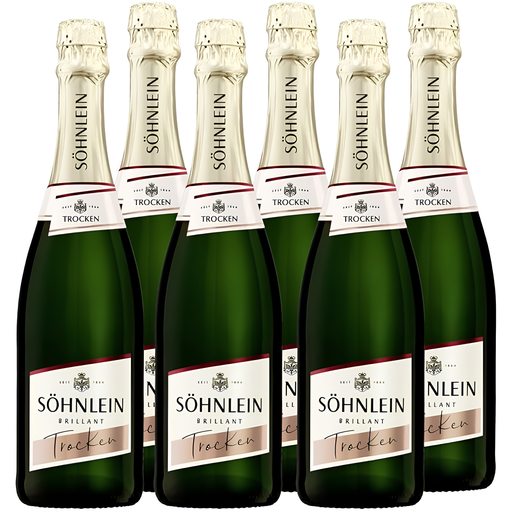
Why this product suits this profile: This German sparkling wine comes in a pack of six 0.75-litre bottles, making it a good choice for stocking up, family celebrations or entertaining a larger group.
The pack size and stated alcohol content of 11 % vol. are clearly listed, making it easier to work out how much you’ll need before placing your order.
Made in Germany, with six bottles and a dry-described cuvée profile with subtle fruity notes.
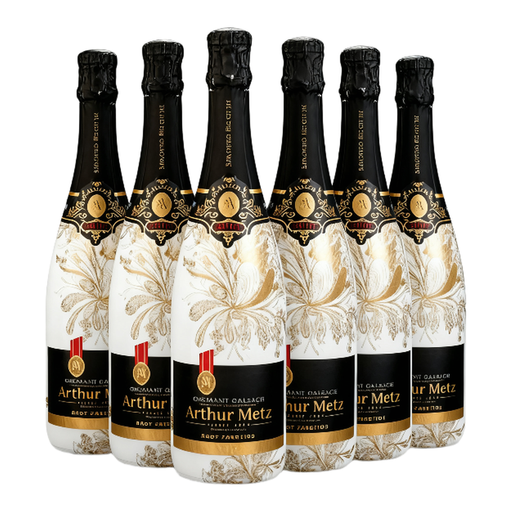
Why this product suits this profile: This French Crémant is described as Brut and made using the traditional method. It pairs well with aperitifs, seafood, poultry or mild cheese.
The choice is based not only on its French origin, but also on its production method, sweetness level and listed grape varieties.
Six 0.75-litre bottles, traditional bottle fermentation and a Brut profile with white fruit and floral notes.
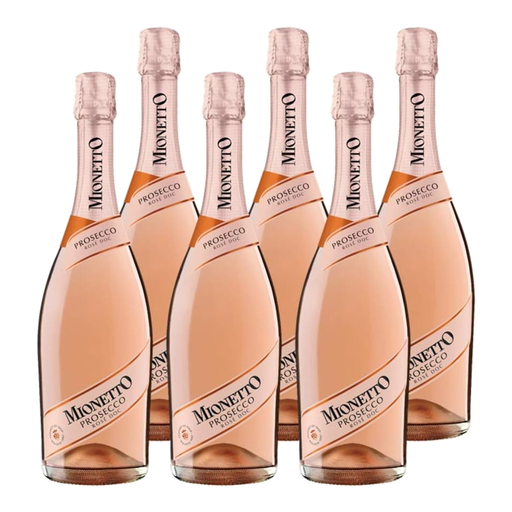
Why this product suits this profile: This rosé Prosecco from Veneto adds a splash of colour to weddings, birthdays, garden parties and aperitif buffets.
The product details list the grape varieties, origin, flavour profile, alcohol content and serving temperature. That means colour isn’t the only thing to consider when choosing.
85 % Glera and 15 % Pinot Noir, six 0.75-litre bottles and a profile described as Brut and fruity-fresh.
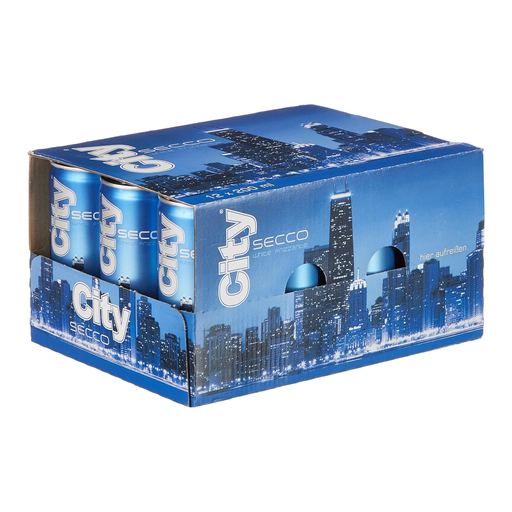
Why this product suits this profile: The 0.2-litre bottles are ideal for drinks receptions, picnics or events where guests might not want to share a large bottle.
The small serving size means less leftover wine once opened. The product details include the total volume, ingredients and a note about sulphites.
12 individual 0.2-litre bottles of white sparkling wine described as dry.
We’ve put together a complete, regularly updated list of products that meet these strict selection criteria and fully comply with the safety regulations in force in the EU.
A 0.75-litre bottle serves around five to six glasses, depending on how much you pour. For a drinks reception, you can start by allowing one glass per person. For longer celebrations or several serving times, it’s worth having some extra bottles on hand. Small bottles are a good choice if you want to avoid having opened bottles left over.
Sparkling wine gradually loses its fizz after opening. With a suitable stopper, chilled storage and the bottle kept upright, it will usually stay fresh for longer than if left unsealed. Follow the producer’s specific advice; many product descriptions recommend drinking it soon after opening, within a day or a few days.
Sekt is a general term for quality sparkling wine, often from Germany or Austria. Prosecco comes from Italy and is usually made from Glera. Cava is from Spain and is often made using the traditional method. Champagne can only come from the Champagne region of France. When comparing them, consider origin, production method, sweetness, alcohol content and pack size.