
Lieferung heute & morgen

Qualitätsgarantie

Willkommens-Angebote freischalten: KOSTENLOSE Lieferung | Bis zu 80 % RABATT | Kostenlose 30-Tage-JoyPlus-Testphase
App herunterladen
If you’re looking to buy sparkling wine online, you’ll quickly find a wide choice of German sparkling wine, Prosecco, Champagne and international fizz. But the price alone doesn’t tell you whether a bottle is right for the occasion. The key things to consider include sweetness level, origin, bottle size, pack size and the information on the label.
As a Joybuy Product Recommendation Officer, I filter market information using clear, practical criteria. This can help you avoid common buying mistakes, whether you’re looking for sparkling wine for a celebration, as a gift or to keep at home.
These terms refer to the residual sugar content, not the intensity of the fizz. Dry sparkling wine usually tastes less sweet, while medium-dry sparkling wine can have a noticeably rounder, fruitier flavour. ‘Extra Dry’ sounds drier than ‘Brut’, but for sparkling wine it actually indicates a higher residual sugar content than Brut.
If you judge these terms only by their everyday meaning, you could end up ordering a bottle that doesn’t suit your taste or menu.
Prosecco comes from designated regions of Italy and is made mainly from the Glera grape. Champagne is a name reserved for sparkling wine from the Champagne region of France. Cava typically comes from Spain, while Crémant refers to French sparkling wines made outside Champagne. Italian sparkling wine or German Sekt may also be a good choice, but it isn’t automatically Champagne.
A 0.75-litre bottle serves around six glasses, depending on the pour. For larger celebrations, a 6-pack of sparkling wine can be more economical and practical to organise. By contrast, 0.2-litre bottles of sparkling wine offer a handy, controlled portion size for individual guests, receptions or gift hampers. It’s worth estimating how much you’ll need before you buy, so you don’t open more than necessary or end up storing unwanted unopened bottles.
Check the description on the product page and the label:
Brut is a popular choice for aperitifs and savoury food. Rosé sparkling wine with berry and fruit notes goes well with light starters, while medium-dry styles can pair nicely with fruity desserts or suit guests who prefer softer flavours. These descriptions are a guide to taste, not a judgement of quality.
Specific details such as country of origin, region and grape varieties can help you compare bottles. Mionetto Prosecco DOC Spumante Brut comes from Veneto and is made from Glera. Mionetto Prosecco Rosé DOC Millesimato is made from 85% Glera and 15% Pinot Noir.
Crémant d’Alsace is made using the traditional method, with a second fermentation in the bottle. Cava is also traditionally produced. The production method can offer clues about the style and bubbles, but it’s no substitute for checking the product description and considering your own taste.
Many deals include six 0.75-litre bottles, giving you 4.5 litres in total. This is handy for parties and family gatherings, but you’ll need enough storage space. Smaller 0.2-litre bottles are better suited to individual occasions or serving in measured portions.
Depending on the style, products in the selection typically contain around 7.5–12.5% alcohol. Check the exact figure in the product details. Unopened bottles should be stored in a cool, dry place away from direct sunlight. A suitable sparkling wine stopper will help keep the fizz in for longer once a bottle is open; opened bottles should be kept chilled and enjoyed soon.
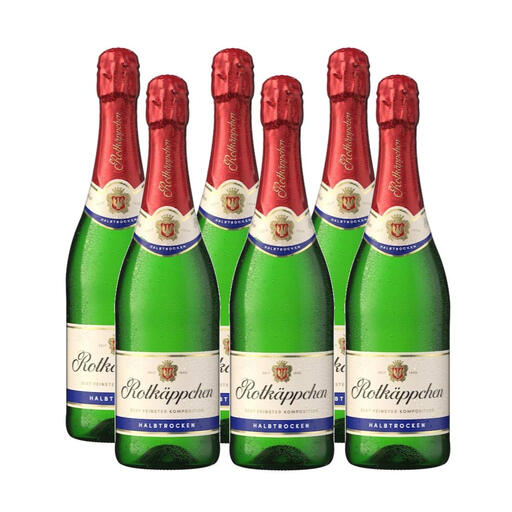
Why this product suits this shopper: The pack of six 0.75-litre bottles is designed for celebrations, barbecues and keeping a regular supply to hand. The stated alcohol content is 11.0% vol., and the style is medium dry.
The pack size and sweetness level are clearly stated, making it easier to plan how much you need than when buying a single bottle without comparing quantities.
Six 0.75-litre bottles, made in Germany, with a fruity, balanced flavour profile according to the product description.
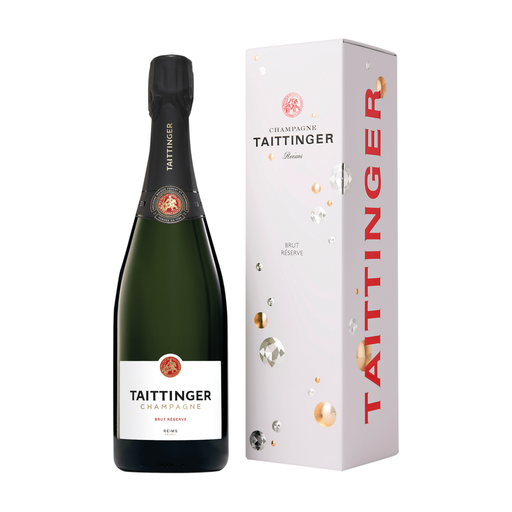
Why this product suits this shopper: This 0.75-litre bottle from Champagne is a good choice for a reception, a celebratory meal or a thoughtful gift.
The protected designation of origin Champagne isn’t confused with sparkling wine in general. The product details specify its origin, bottle fermentation and 12.5% vol. alcohol content.
French Champagne with a natural cork and details of its Chardonnay, Pinot Noir and Pinot Meunier grapes.
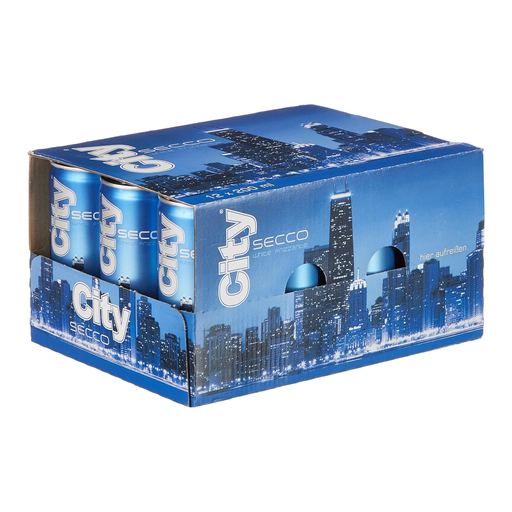
Why this product suits this shopper: The twelve 0.2-litre bottles are handy for receptions, serving in portions and occasions when you don’t want to open a full 0.75-litre bottle each time.
Smaller portions reduce the chance of having to store opened bottles for too long. The dry style is clearly stated.
12 x 0.2 litres of dry white sparkling wine in handy individual bottles for events.
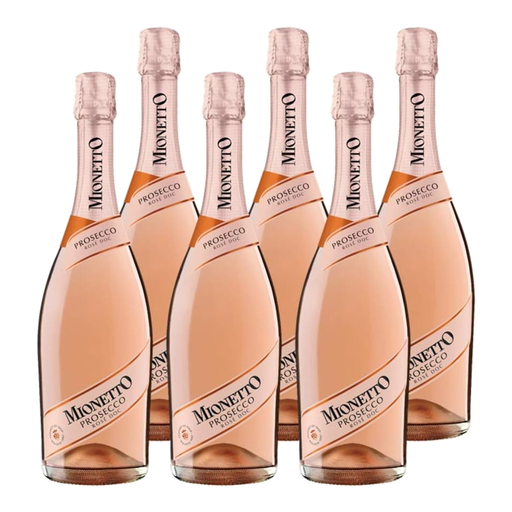
Why this product suits this shopper: This Italian Prosecco Rosé comes in a pack of six, combining a celebratory colour with enough to serve several guests.
Its DOC designation, grape varieties and serving temperature of 6–8 °C are clearly stated, making it easier to compare with rosé sparkling wine or Cava.
85% Glera and 15% Pinot Noir according to the product details, plus six glass bottles of 0.75 litres each and a fine, persistent fizz.
We’ve put together a complete, regularly updated list of products that meet these strict selection criteria and fully comply with the safety regulations in force in the EU.
If you’re looking to buy Prosecco online, check for DOC or DOCG details, its origin and Glera as the typical grape variety. When searching to buy Champagne online, the origin in Champagne and the specific cuvée are important. When comparing Cava, Crémant, Lambrusco or German sparkling wines, look beyond the price and check the sweetness level, alcohol content and production method too.
For a gift, a single bottle in premium packaging or a rosé sparkling wine can be a practical choice. For a larger celebration, consider a 6-pack. If you’re buying sparkling wine as a gift, also check whether gift packaging is included or needs to be ordered separately.
As a rough guide, a 0.75-litre bottle serves around five to six glasses. For a reception with 18 guests, for example, three to four bottles could be enough for a toast. For a longer celebration with more drinks being served, work out the amount you’ll need for your event.
Once opened, sparkling wine gradually loses its fizz. A suitable sparkling wine stopper, refrigeration and drinking it soon can help keep it fresher for longer. Follow the manufacturer’s specific storage advice.
Sekt is a general term for quality sparkling wine, often from Germany or made using German production methods. Prosecco comes from Italy, Cava from Spain and Crémant from certain French regions outside Champagne. Champagne refers exclusively to sparkling wine from the Champagne region. All these drinks contain alcohol and are intended for adults of legal drinking age only; alcohol must not be consumed during pregnancy.