
Lieferung heute & morgen

Qualitätsgarantie

Willkommens-Angebote freischalten: KOSTENLOSE Lieferung | Bis zu 80 % RABATT | Kostenlose 30-Tage-JoyPlus-Testphase
App herunterladen
If you’re looking to buy sparkling wine online, you’ll quickly find a wide selection, from German Sekt, Prosecco, Cava and Champagne to rosé sparkling wine, Secco and international specialities. Product names alone don’t always make it clear whether a bottle will suit the occasion or your taste. It’s especially worth checking the sweetness level, origin and pack contents when buying larger formats such as sparkling wine 6 x 0.75 l.
Terms such as ‘Dry’, ‘Brut’, ‘Extra Dry’ and ‘Medium Dry’ aren’t always intuitive. In sparkling wine, ‘Extra Dry’ can contain more residual sugar than ‘Brut’. So if you’re looking for a truly dry taste, check the residual sugar in grams per litre as well.
As a rough guide, sparkling wines fall into these categories:
The exact product information on the bottle and product page should always take precedence. One example is Freixenet Carta Rosé Dry Cava, which has a stated residual sugar content of 17 g/l. This shows why ‘Dry’ doesn’t necessarily mean a particularly low-sugar profile.
A low price per bottle can mean different things when buying a single bottle or a multipack. Before you buy, check:
A 6-pack with a total volume of 4.5 litres is ideal for larger gatherings, while twelve 0.2-litre bottles, such as City Secco Dry White, can make serving easier at receptions and parties.
Cava comes from Spain and is typically made using the traditional bottle-fermentation method. Prosecco from Italy is often made using the tank-fermentation method, which helps preserve its fresh, fruity character. Champagne can only come from the Champagne region of France and is subject to protected origin rules. Secco or Frizzante often refers to a sparkling wine with lighter carbonation than classic Sekt.
Origin isn’t a blanket measure of quality. Instead, it helps you understand a wine’s style, how it’s made and the aromas you can expect.
Brut or Extra Brut varieties are often a good choice for a classic aperitif. A dry sparkling wine can pair well with salty snacks, seafood and light starters. Fruity, medium-dry or sweet varieties tend to go better with desserts, fruit or mild cheese.
If you’re choosing sparkling wine for weddings and celebrations, a mixed selection is a good idea if you don’t know what your guests prefer. A dry German Sekt, a fruity Prosecco and a rosé sparkling wine offer a range of flavours.
Many products have an alcohol content of around 10 to 12.5% vol. Asti Spumante can be lower, at 7.5% vol. This doesn’t make it alcohol-free; it simply has a lower alcohol content. The recommended serving temperature also matters for the flavour:
Store unopened bottles somewhere cool and dark, away from significant temperature fluctuations. Once opened, sparkling wine starts to lose its freshness as the bubbles fade. A suitable sparkling wine stopper can help slow this down, but it’s still best to drink the wine soon after opening.
Sparkling wine often contains sulphur dioxide and sulphites. These must be declared on the label and can cause allergic reactions in sensitive individuals. Nutritional information varies by product and sweetness level. If you’re looking to reduce your sugar intake, don’t rely on terms such as ‘Dry’ alone. Check the specific nutritional or residual sugar information instead.
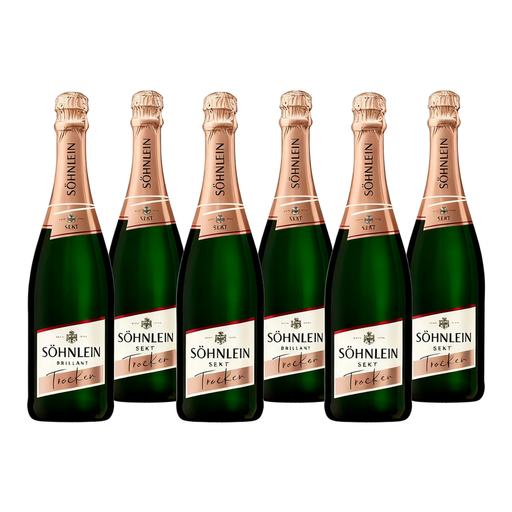
Why this product suits this type of buyer: The pack of six 0.75-litre bottles is ideal for family celebrations, birthdays or regular get-togethers. The stated alcohol content is 11% vol.
The pack size and total volume are clearly stated. As the product name and description give different sweetness information, check the bottle label before buying.
Six 0.75-litre bottles, German origin and a versatile choice for social occasions.
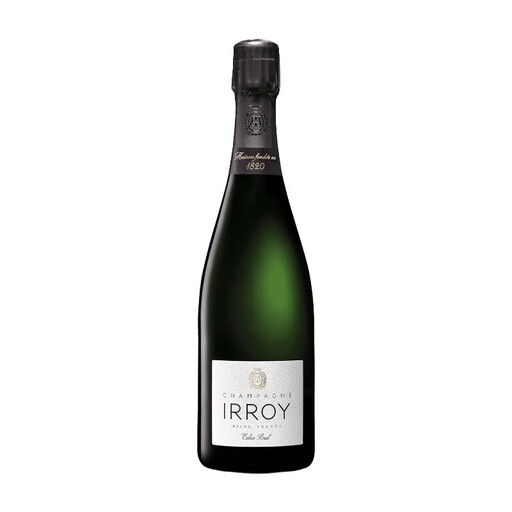
Why this product suits this type of buyer: This single bottle from Champagne is for buyers who want to compare its protected origin, Extra Brut style and traditional bottle ageing.
The Extra Brut designation and stated residual sugar content of 0.6 g per 100 ml give you more specific guidance than a simple marketing claim.
Champagne origin, Pinot Noir, Pinot Meunier and Chardonnay grapes, plus at least 30 months of bottle ageing according to the product description.
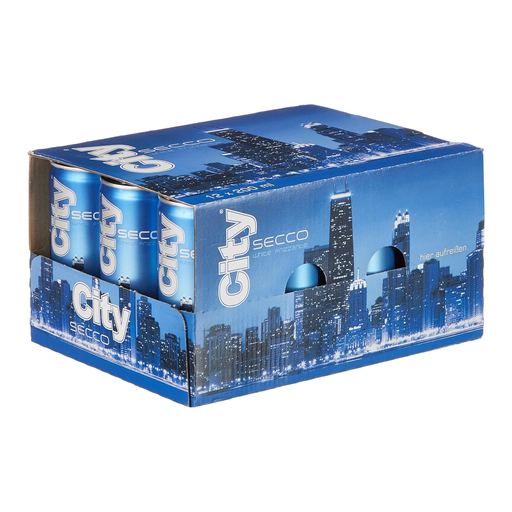
Why this product suits this type of buyer: Twelve small bottles make serving easier at receptions, work parties or events where you don’t want to open every bottle at once.
The individual portions mean fewer opened bottles left over. Bear in mind, though, that this product contains carbonation and sulphites.
12 x 0.2 litres, a dry style according to the product information and easy serving without needing to keep opened bottles on hand.
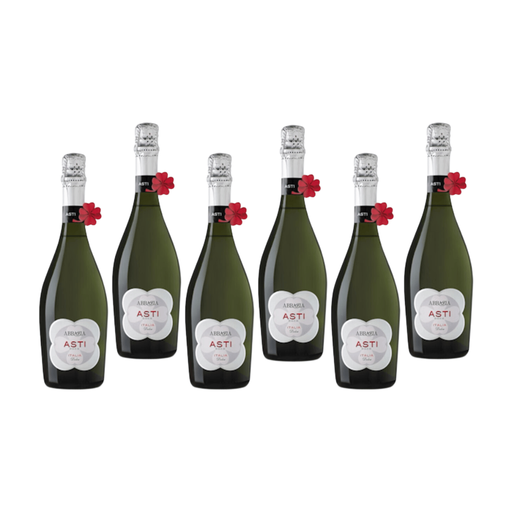
Why this product suits this type of buyer: Asti Spumante from Italy is a good option if you’re looking for a sweet style made with Muscat grapes and a lower alcohol content of 7.5% vol.
The ‘Sweet (Dolce)’ designation makes the style clear, so you’re less likely to mistake a sweet sparkling wine for a Brut.
Six 0.75-litre bottles, from Piedmont, 7.5% vol. and specifically recommended with fruit desserts or mild cheese.
We’ve put together a complete, regularly updated list of products that meet these strict selection criteria and the applicable EU safety regulations in full.
A 0.75-litre bottle serves around six to eight glasses, depending on the size of the glasses. Small bottles can be more practical for a reception, while 6- or 12-packs make it easier to stock up for larger celebrations. Remember to provide non-alcoholic drinks and water too.
Once opened, the wine starts to lose its fizz. If you use a suitable sparkling wine stopper, keep the bottle chilled and drink it within one to three days. Always follow the specific recommendation on the manufacturer’s label.
When choosing a gift, consider the occasion, taste and budget. Prosecco from Italy is often fruity and works well as an aperitif. Cava from Spain is traditionally bottle-fermented. Champagne from France is clearly defined by its protected designation of origin. Before ordering, check the sweetness level, bottle size and sulphite information. Alcohol should always be consumed responsibly.