
Lieferung heute & morgen

Qualitätsgarantie

Willkommens-Angebote freischalten: KOSTENLOSE Lieferung | Bis zu 80 % RABATT | Kostenlose 30-Tage-JoyPlus-Testphase
App herunterladen
If you want to buy sparkling wine, Prosecco and Champagne online, you’ll quickly find a wide choice of bottles, multipacks and gift sets. Price alone, however, tells you little about whether a sparkling wine is right for the occasion. Key factors include its origin, flavour, alcohol content, bottle size and how it should be stored.
This buying guide will help you avoid common missteps and choose the right sparkling wine, order sparkling wine online or pick a suitable Champagne for a celebration.
“Dry” doesn’t mean that sparkling wine contains no sugar. These descriptions refer to the residual sugar content. Brut usually tastes noticeably drier than Extra Dry, even though the English term “dry” might suggest otherwise. If you prefer a mild or sweeter taste, look specifically for medium-dry sparkling wine, sweet sparkling wine, “Mild”, “Demi-Sec” or “Dolce”.
Prosecco DOC comes from designated regions of Italy and is made from approved grape varieties. Prosecco Spumante has more fizz than Italian Frizzante. Frizzante generally has lower pressure in the bottle, so it often feels softer and less fizzy.
Champagne can only come from the Champagne region of France and must meet specific production requirements. A French sparkling wine made from Chardonnay that isn’t labelled Champagne is therefore not automatically Champagne.
A multipack of sparkling wine or a six-pack of sparkling wine can be a good choice for weddings, receptions and larger birthday parties. For a small household, however, a 12-pack of 0.2-litre bottles may be more practical, as you won’t need to keep opened bottles for several days. Before buying, compare the number of bottles, the volume of each bottle and the total quantity.
Check the stated style:
Some listings also provide details such as sugar content or nutritional values per 100 millilitres. These figures are more useful than vague descriptions such as “mild” or “fruity”.
The products listed here, for example, have an alcohol content of between 7.5 and 12.5 % vol. A Lambrusco Frizzante at 7.5 % vol. is therefore quite different from a Champagne at 12.5 % vol. This information may be worth considering when planning an event where drinks will be served over several hours.
Sparkling wines often contain sulphur dioxide and sulphites, which must be declared as allergens. They may also contain sugar, concentrated grape must, acidity regulators, stabilisers or carbon dioxide. Check the ingredients and allergen information on the product page and the label.
A standard bottle usually holds 0.75 litres. Small 0.2-litre bottles are suitable for individual servings and events where not everyone wants a full bottle. Recommended serving temperatures are often between 5 and 10 °C. Store unopened bottles in a cool, dry place away from direct sunlight. Once opened, use a suitable sparkling wine or Champagne stopper and drink the contents soon afterwards.
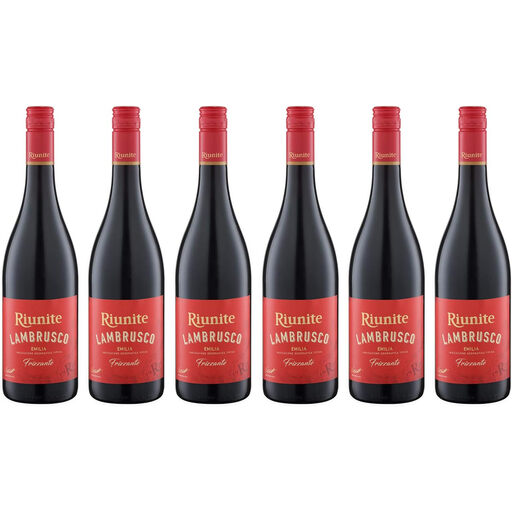
Why this product suits this buyer: The six-pack of 0.75-litre bottles is ideal for get-togethers and stocking up. The stated alcohol content is 7.5 % vol., and the style is semi-sweet.
The pack size, flavour and alcohol content are clearly stated, making it easier to match your purchase to the occasion and your preferred sweetness.
6 × 0.75 litres, from Italy, and 7.5 % vol. A semi-sweet Frizzante for larger gatherings.
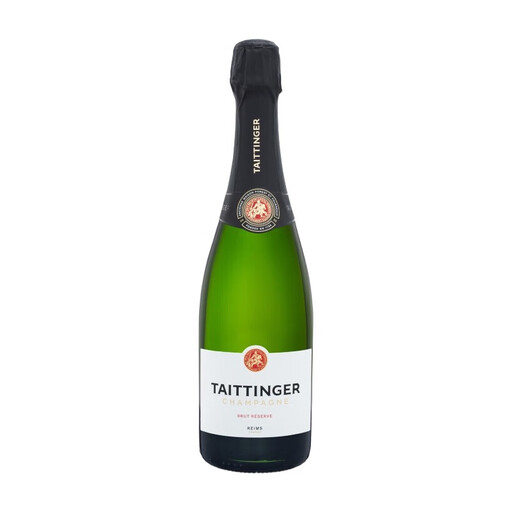
Why this product suits this buyer: The 0.75-litre bottle is for buyers looking for a Champagne from the Champagne region for a reception, dinner or gift.
The origin, grape proportions and alcohol content are stated: 40 % Chardonnay, 40 % Pinot Noir, 20 % Pinot Meunier and 12.5 % vol.
Champagne, Brut style, 0.75 litres and a recommended serving temperature of 6–8 °C.
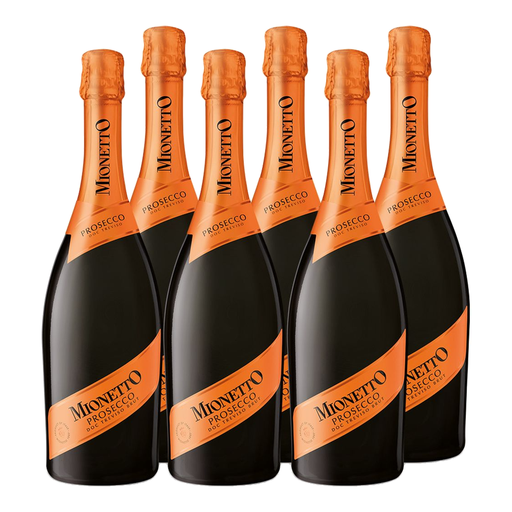
Why this product suits this buyer: The six-pack of 0.75-litre bottles is suitable for celebrations, regular entertaining and larger households. The Brut style offers a drier taste.
The Prosecco DOC designation, Italian origin, 11 % vol. alcohol content and total volume of 4.5 litres are all clearly stated.
6 bottles, 11 % vol., a serving temperature of 6–8 °C and clearly stated sulphite information.
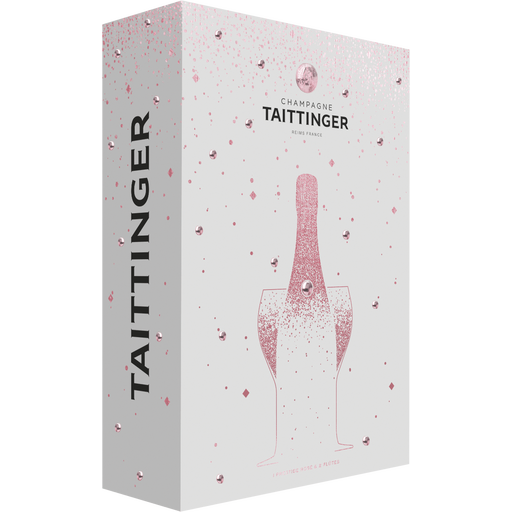
Why this product suits this buyer: The gift set includes a 0.75-litre bottle and two original Lehmann Champagne glasses, making it a good choice for a special gift occasion.
The contents of the set are clearly listed, so there’s no need to guess from the product images whether glasses or other accessories are included.
Rosé Champagne, 12.5 % vol., 0.75 litres and a gift set with two glasses.
We’ve put together a comprehensive, regularly updated list of products that meet these strict selection criteria and fully comply with the safety regulations in force in the EU.
For a wedding or reception, it’s worth checking the total quantity and delivery time. A six-pack of sparkling wine may be easier to manage than several individual orders. For smaller gatherings, products such as City Rosato, with 12 × 0.2 litres, are one possible alternative. If you prefer Italian Frizzante or Prosecco, check the precise designation of origin and whether the style is “Frizzante” or “Spumante”.
For a gift, you could choose a classic Champagne gift set, a rosé or a single high-quality vintage or reserve sparkling wine. For special products such as Ferrari Giulio Ferrari Riserva del Fondatore, the grape variety, ageing information and storage guidance are particularly important. Before you buy, check that these details suit the occasion and your budget.
A suitable stopper helps preserve the fizz. Product information often recommends drinking opened bottles within one to a few days. For specific guidance on how long it will keep, follow the instructions from the individual producer.
Many products are recommended at 6–8 °C. Depending on the product, rosé Champagne can also be served at 8–10 °C. A bottle that’s too warm may taste less fresh, while serving it very cold can mute the aromas.
Brut describes a drier sparkling wine. Medium-dry styles contain more residual sugar and taste rounder. Sweet products such as Asti Dolce or semi-sweet Lambrusco are better suited to fruity desserts and to anyone who prefers a noticeably sweeter flavour.
Alcoholic drinks may only be sold to people who are of the legal minimum age. Pregnant women should avoid alcoholic drinks. Please also check allergen information and drink responsibly.