
Lieferung heute & morgen

Qualitätsgarantie

Willkommens-Angebote freischalten: KOSTENLOSE Lieferung | Bis zu 80 % RABATT | Kostenlose 30-Tage-JoyPlus-Testphase
App herunterladen
If you want to buy sparkling wine online, you’ll quickly find a wide selection of German sparkling wine, Prosecco, Cava, Secco and rosé Champagne. However, product names alone don’t always tell you whether a bottle is right for the occasion. Pack size, sweetness, alcohol content and serving temperature can have more influence on your decision than eye-catching labels or general marketing claims.
“Dry”, “Extra Dry” and “medium dry” aren’t interchangeable terms. Depending on its residual sugar, a dry sparkling wine can still have a slightly fruity or rounded flavour. Medium-dry sparkling wine is usually more approachable for those who prefer less pronounced acidity. Prosecco is often labelled “Extra Dry” – this doesn’t automatically mean it’s less sweet than “Brut”.
So check the precise sweetness description on the product page and compare the residual sugar content, if available. Marketing terms such as “fresh” or “harmonious” are no substitute for specific product information.
A 6-bottle pack of sparkling wine with six 0.75-litre bottles contains 4.5 litres in total. That’s handy for a larger celebration or regular aperitifs, but you’ll need enough storage space. Smaller bottles, such as 0.2-litre ones, are better suited to individual servings and can help you avoid having open bottles left over.
The key figure is the price per litre, not just the price of the case. When looking at a sparkling wine offer, also take delivery costs, the pack contents and the actual bottle size into account.
Sparkling wine, Prosecco and Cava are different product categories. Prosecco comes from designated areas of Italy and is made from the Glera grape. Cava comes from Spain and can be made using the traditional method of bottle fermentation. Champagne comes from the Champagne region of France. German Secco or sparkling wine can be used in a similar way, but doesn’t automatically carry any of these protected origin names.
First, consider whether you’d prefer a white, rosé or fruit-forward sparkling wine:
Many products in the selection contain around 10.5 to 12.5 % Vol. Fruit Secco may have a lower alcohol content. Check the sulphites information, as sulphites can cause allergic reactions in sensitive individuals. You’ll find ingredients, nutritional information and warnings on the relevant product page or packaging.
Alcoholic drinks are for adults of legal drinking age only. Alcohol should be avoided during pregnancy. Store and transport bottles in a cool, dark place, out of children’s reach.
For aperitifs, receptions or weddings, 0.75-litre bottles are usually a versatile choice. A Champagne gift set with glasses may be more suitable for a special, personal occasion. Recommended serving temperatures vary by product, but are generally between 5 and 10 °C.
Natural corks, screw caps and sparkling wine stoppers differ in how they’re used, but the closure alone doesn’t indicate whether a wine is right for your taste. After opening, reseal the bottle with a suitable sparkling wine stopper and drink it as soon as possible.
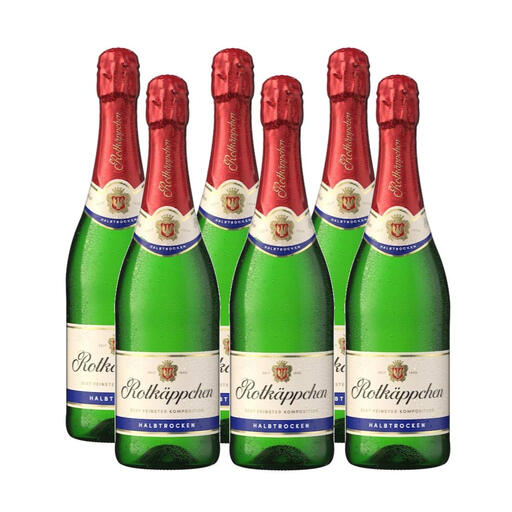
Why this product suits this profile: The pack of six 0.75-litre bottles is designed for family celebrations, visits and keeping a regular supply on hand. Its medium sweetness may be a good alternative to very dry styles.
The pack size, bottle size and alcohol content of 11 % Vol. are clearly stated. This makes it easier to work out how much you need before placing an order.
Six standard-size bottles, a medium-dry style and German origin.
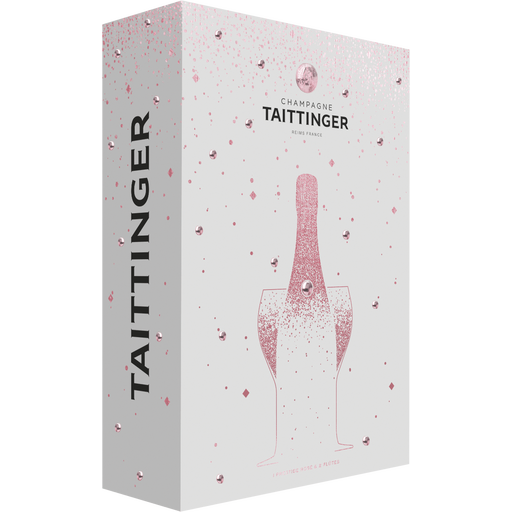
Why this product suits this profile: The 0.75-litre bottle is offered as a gift set with two original Lehmann Champagne glasses. It has an alcohol content of 12.5 % Vol. and a recommended serving temperature of 8 to 10 °C.
The origin, closure, alcohol content and presence of sulphites are stated. The gift set also makes it clear what’s included.
Rosé Champagne from France, 12.5 % Vol. and two glasses in the set.
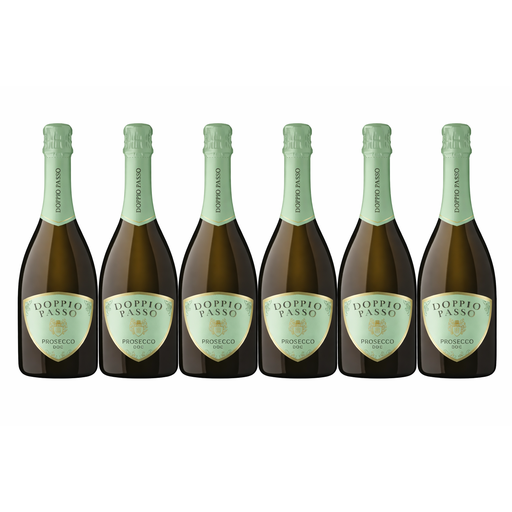
Why this product suits this profile: This Italian Prosecco from Veneto is a good choice for aperitifs and light starters. Six 0.75-litre bottles will see you through several occasions.
The product information lists its DOC origin, Glera grape variety, 15 g/l of sugar and 11 % Vol. alcohol content, helping you put the “Extra Dry” label into context.
Prosecco DOC from Italy, six bottles and a recommended chilled serving temperature.
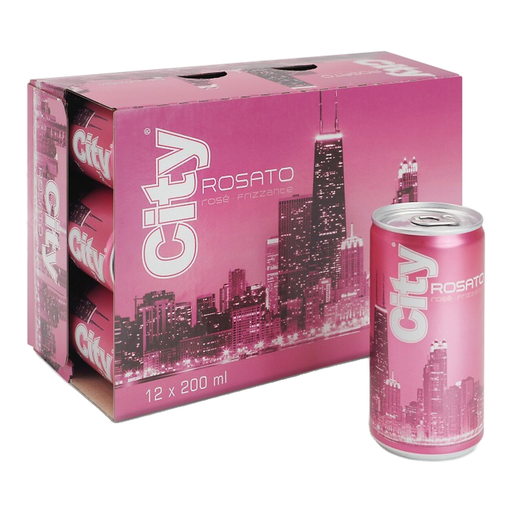
Why this product suits this profile: Twelve 0.2-litre mini bottles are ideal for receptions, serving sparkling wine and celebrations where individual portions are handy.
The smaller bottle size reduces the chance of having several open 0.75-litre bottles to store. Nutritional information and ingredients are provided.
Rosé sparkling wine in a pack of 12, with 0.2 litres per bottle and a medium-dry style.
We’ve put together a complete, regularly updated list of products that meet these strict selection criteria and fully comply with the safety regulations in force across the EU.
For larger celebrations, 0.75-litre bottles in a pack of six are often easier to plan for. At receptions with lots of individual servings, 0.2-litre bottles can be more practical. Choose the sweetness level to suit your guests’ preferences, and check that you have enough fridge space.
Unopened bottles should be kept in a cool, dry place away from direct light. The specific recommendation may vary by product. Once opened, reseal the bottle and keep it chilled; the fizz will fade over time. Follow the best-before or use-by information on the packaging.
Sparkling wine is the general term for quality sparkling wine under the applicable labelling rules. Prosecco refers to Italian sparkling or semi-sparkling wine from a protected region of origin. Cava comes from Spain and is often made using the traditional method. Secco is usually a lightly sparkling wine with less carbonation than traditional sparkling wine. When choosing, consider the origin, production method, sweetness, alcohol content and occasion.