
Lieferung heute & morgen

Qualitätsgarantie

Willkommens-Angebote freischalten: KOSTENLOSE Lieferung | Bis zu 80 % RABATT | Kostenlose 30-Tage-JoyPlus-Testphase
App herunterladen
If you’re looking to buy sparkling wine online, you’ll quickly find a wide selection of bottles, cans and multipacks. But the price per bottle alone isn’t enough to help you make the right choice. Flavour, alcohol content, bottle size, pack contents and storage all affect whether a product suits your planned celebration or regular stock-up.
The terms dry, medium dry and mild describe the flavour, not the alcohol content. A dry sparkling wine can still have fruity notes. If you prefer a noticeably sweeter taste, look specifically for mild, medium-dry or flavoured varieties.
A six-pack of sparkling wine with six 0.75-litre bottles contains 4.5 litres in total. It’s practical for a celebration, but you’ll need enough storage space and it will be heavier to handle. If you’re buying glass bottles, also check that you can safely receive the delivery and store it properly until the occasion.
Alongside classic sparkling wine and Prosecco, you’ll find alcohol-free sparkling drinks, sparkling mineral water and multipacks of soft drinks. Check the product name and nutritional information. A fruit drink, for example, may contain sugar, while a flavoured mineral water may be sugar-free according to the product details.
Dry varieties are often a good choice for a reception or meal. Rosé sparkling wine can be an alternative to white sparkling wine, with its colour and fruity character. For desserts or guests who prefer sweeter drinks, consider a medium-dry sparkling wine, Asti Spumante or fruit secco.
If you’re looking to buy Prosecco online, be sure to distinguish between Prosecco DOC, Prosecco Rosé and Italian sparkling wine in general. “Prosecco” doesn’t mean the same thing as any Italian sparkling wine. The product type, origin and sweetness level should be clearly stated in the product details.
The alcoholic products listed have alcohol contents of, for example, 7 % vol., 10 % vol. or 11 % vol., depending on the variety. In Germany, alcoholic drinks of this type must not be sold to anyone under 16. Pregnant people, under-18s and anyone who wishes to avoid alcohol should choose alcohol-free products. Bear in mind that the relevant wine products contain sulphites, which are labelled as an allergen.
A six-pack of 0.75-litre bottles makes it easier to plan for larger gatherings. Cans or 0.33-litre bottles, on the other hand, are handy for individual servings and alcohol-free refreshments. Store unopened bottles in a cool, dry place away from direct sunlight, as stated on the product. Sparkling wine is usually served well chilled. Once opened, a suitable sparkling wine stopper can help preserve the fizz for a short time. Opened products should be consumed promptly.
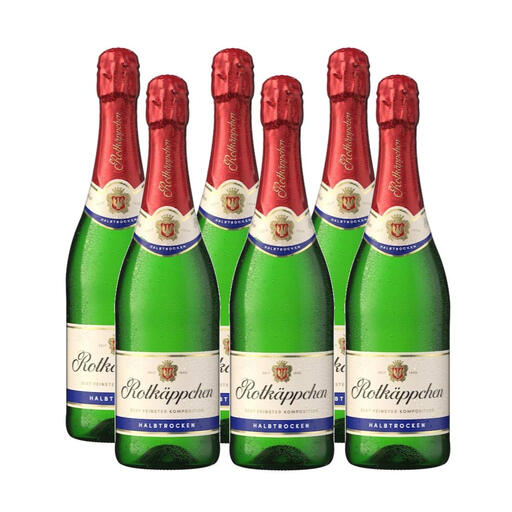
Why this product suits this profile: The pack contains six 0.75-litre bottles, making it a practical choice for family celebrations, parties or planned stock-ups. “Medium Dry” sits between dry and milder varieties.
The clearly stated quantity helps you look beyond the price per bottle. Check the alcohol content and ingredients against the details on the packaging before buying.
Six 0.75-litre bottles; listed at 11 % vol. and intended to be served chilled.
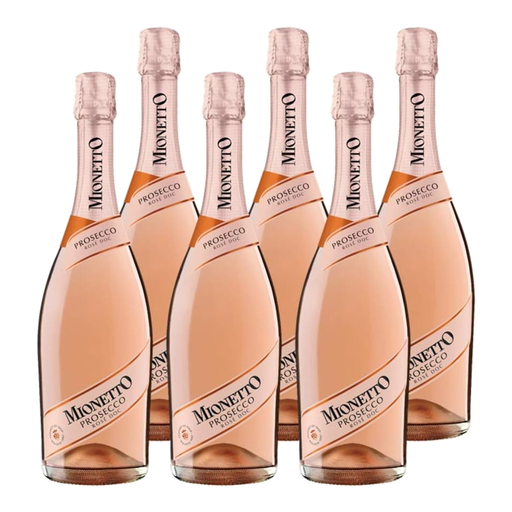
Why this product suits this profile: According to the product details, this Italian Prosecco Rosé DOC Millesimato is made from 85 % Glera and 15 % Pinot Noir, and has an alcohol content of 11 % vol.
The origin and grape variety details make it easier to understand what the product is than a colour description such as “Rosé” alone.
Six glass bottles; serve at 6–8 °C according to the product details; sulphites are listed.
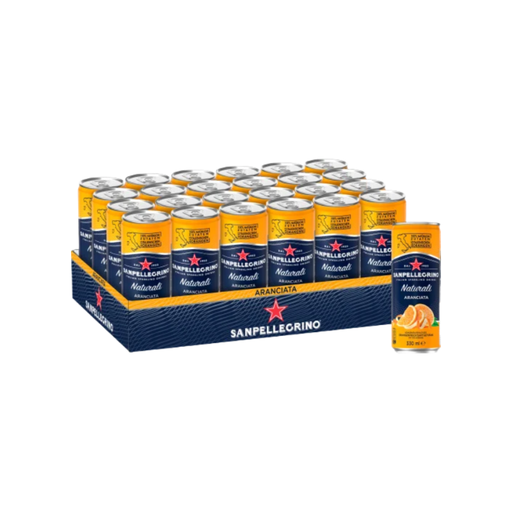
Why this product suits this profile: These 24 glass bottles, each holding 0.33 litres, offer alcohol-free refreshments in handy portions for celebrations, meals and regular stock-ups.
The clearly stated bottle count and serving size make it easier to plan quantities. According to the product details, the drink contains no artificial colours or flavourings.
24 × 0.33 litres, alcohol-free, made in Italy and listed at 17 kcal per 100 ml in the nutritional information.
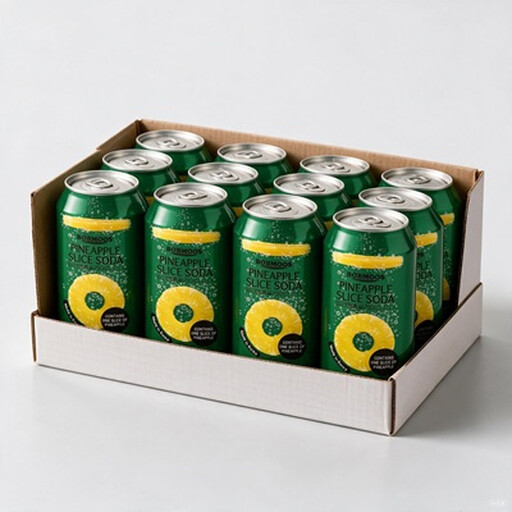
Why this product suits this profile: Twelve 340 ml cans offer a fruity, alcohol-free alternative to sparkling wine and are suitable for guests of different ages.
The alcohol-free label helps distinguish it from wine or sparkling wine. The nutritional information lists 51 kcal per 100 ml.
12 × 340 ml, alcohol-free and, according to the product details, contains no artificial colours; with a fruity pineapple note.
We’ve put together a complete, regularly updated list of products that meet these strict selection criteria and fully comply with the safety regulations in force in the EU.
For an alcohol-free selection at the table, consider sparkling mineral water, flavoured water or sugar-free soft drinks. Sanpellegrino Sparkling Mineral Water 6x1L and Gerolsteiner Mineral Water, for example, make it easy to plan quantities by volume and bottle count. If you’d like to cater for different tastes, you could also add a multipack of soft drinks.
For fruitier alcoholic options, consider fruit secco, an Italian sparkling wine such as La Gioiosa, or Asti Spumante. Before buying, check the details on sugar, alcohol content and sulphites against the occasion and your guests’ preferences.
As a rough guide, a 0.75-litre bottle will serve around five to six glasses, depending on the glass size and pour. For a reception, remember to provide alcohol-free drinks too. A small reserve can be useful for longer events, but be sure to factor in storage space and delivery weight.
Once opened, sparkling wine gradually loses its fizz as it comes into contact with the air. A sparkling wine stopper can slow this process. Keep opened bottles chilled and try to finish them within one to three days. Always follow the guidance from the manufacturer.
Sparkling wine is a carbonated wine product, while Prosecco is a protected Italian designation of origin for certain sparkling and semi-sparkling wines. Fruit secco also contains fruit juice, fruit concentrate or flavourings, which can give it a noticeably fruitier character. Always check the specific product name, ingredients list and nutritional information.