
Lieferung heute & morgen

Qualitätsgarantie

Willkommens-Angebote freischalten: KOSTENLOSE Lieferung | Bis zu 80 % RABATT | Kostenlose 30-Tage-JoyPlus-Testphase
App herunterladen
Anyone looking to buy sparkling wine online will quickly find a wide selection: German sparkling wine, Prosecco, Champagne, rosé sparkling wine, fruit sparkling wine and Italian Spumante are often displayed side by side. However, price alone says little about whether a bottle is right for the occasion, your personal taste or the number of guests you are expecting.
The terms on the label mainly describe the residual sugar content. Brut refers to a dry style, while Extra Dry, despite its name, can contain slightly more residual sugar. Demi-Sec, medium-dry or sweet generally indicate a clearly noticeable sweetness. If you are looking for a sweet sparkling wine, do not rely solely on colour descriptions or advertising terms such as “fruity”.
A six-pack of wine usually contains six bottles of 0.75 litres each, making 4.5 litres in total. Smaller formats, such as 0.2-litre bottles, are suitable for individually portioned occasions, but are not automatically cheaper in relation to the total quantity. Before buying, it is worth checking the price per litre, bottle size and what is included in the delivery.
Champagne comes from the French Champagne region and is a protected designation of origin. Prosecco is produced in Italy and can be offered as Spumante or Frizzante. Fruit sparkling wine, on the other hand, is a flavoured wine-based drink and should not be equated with classic sparkling wine. “Rosé” initially describes the colour or style, not necessarily the sweetness.
First, identify the style you are looking for:
The exact classification should always be based on the product description and, where provided, the residual sugar content.
The alcohol content of the products considered here ranges, for example, from 7,5 % vol. to 12,5 % vol. A lower alcohol content does not automatically mean fewer calories or less sweetness. You should also check the ingredient and allergen information. For the wines and sparkling wines listed, sulphur dioxide and sulphites are identified as allergens that must be declared.
Fruit sparkling wines may also contain fruit juice, sugar, acidity regulators or flavourings. If you prefer a classic taste, choose a pure sparkling wine product and use flavoured varieties specifically for particular occasions.
Most products should be served well chilled at around 6 to 10 °C. Asti Spumante and sweet sparkling wines can be served with desserts and fruit, while dry Prosecco or Champagne is often enjoyed as an aperitif. Unopened bottles are best stored in a cool, dry place away from light. Once opened, a suitable stopper can help preserve the quality for longer; the manufacturer’s guidance on shelf life should always be followed.
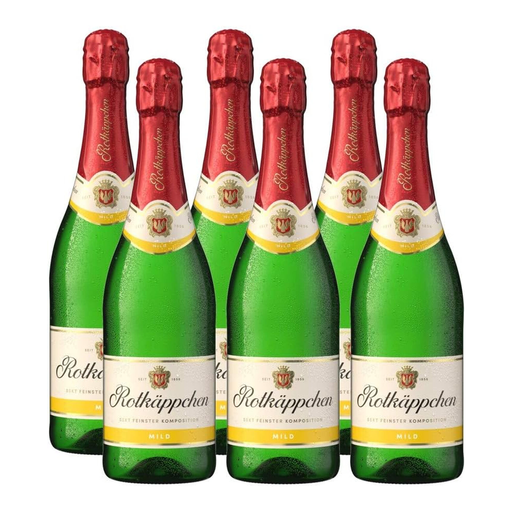
Why this product suits this profile: The six-pack of 0.75-litre bottles is designed for private celebrations, visits and regular stockpiling. Its mild style appeals to buyers who are not looking for a distinctly dry sparkling wine.
The number of bottles and individual bottle size are clearly stated. This makes it easier to compare the total quantity with the requirements of your event before buying.
Six 0.75-litre bottles; mild flavour profile; can be served chilled or used as a cocktail base.
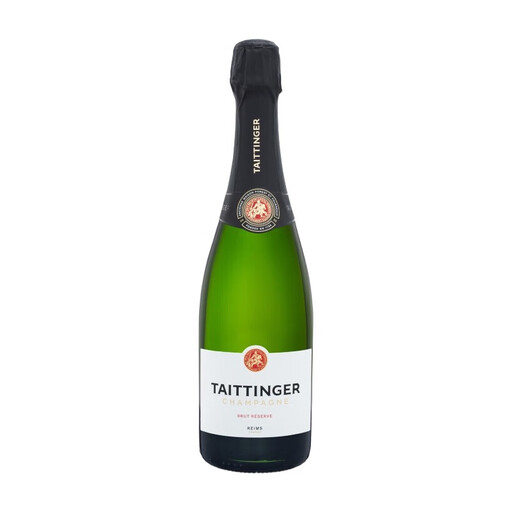
Why this product suits this profile: This Champagne comes from the Champagne region and is described as a blend of Chardonnay, Pinot Noir and Pinot Meunier. It is suitable for a reception, a gift or a celebratory meal.
The designation of origin, grape varieties and alcohol content of 12,5 % vol. are specific selection criteria that replace sweeping claims about quality.
Protected Champagne designation of origin; blend of three grape varieties; recommended serving temperature of 6–8 °C.
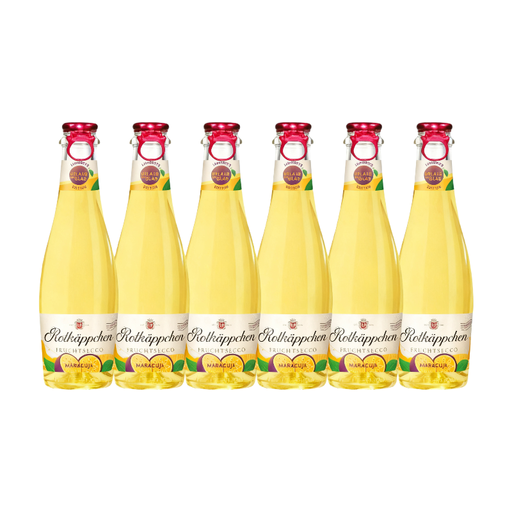
Why this product suits this profile: This flavoured fruit sparkling wine with passion fruit flavour and 8 % vol. is aimed at hosts who want to offer a fruit-forward alternative to classic sparkling wine at parties and celebrations.
The product type, fruit content of 1 % and number of bottles are stated. This makes it clear that it is not a classic, unflavoured sparkling wine.
Six bottles of 0.75 litres each; passion fruit flavour; recommended at around 8 °C and for serving over ice.
We have put together a complete, regularly updated list of products that fully meet these strict selection criteria and the safety regulations applicable in the EU.
Those looking to buy Prosecco could choose a dry Prosecco DOC Spumante such as Mionetto Prosecco Brut, for example. The product details state 11 % vol., six bottles and a recommended drinking temperature of 6–8 °C. For a rosé-focused option, consider a Prosecco Rosé DOC or a German Merlot rosé secco.
Asti Spumante is usually sweeter and has a lower alcohol content. Abbazia Asti Spumante DOCG is described as having 7,5 % vol. and a “Sweet” flavour profile. A Frizzante such as Perlina or La Gioiosa can be an alternative for buyers looking for lighter bubbles and an easy-going Italian style. Terms such as “Demi-Sec” or “medium-dry” should nevertheless always be checked in the specific product description.
A 0.75-litre bottle provides approximately six to eight small servings, depending on the glass size. For a reception or party, you should also consider whether the sparkling wine will only be served for a toast or offered over several hours. For larger groups, a six-pack can make planning quantities easier.
Once opened, sparkling wine gradually loses its carbonation. A suitable sparkling wine stopper and storage in the fridge can help preserve the quality in the short term. The manufacturer’s guidance is the deciding factor; many product details recommend consuming it promptly within one to three days.
Sparkling wine is the general term for quality sparkling wine produced in accordance with the relevant production and labelling requirements. Prosecco comes from specific areas of Italy and is made from the grape varieties approved for this purpose. Champagne may only come from the French Champagne region. For your purchasing decision, sweetness level, alcohol content, bottle size and occasion are also relevant. Alcohol-free alternatives belong in a separate product category; alcoholic drinks are intended exclusively for adults of legal drinking age and should be consumed responsibly.