
Lieferung heute & morgen

Qualitätsgarantie

Willkommens-Angebote freischalten: KOSTENLOSE Lieferung | Bis zu 80 % RABATT | Kostenlose 30-Tage-JoyPlus-Testphase
App herunterladen
Anyone looking to buy sparkling wine and champagne online will quickly find a wide choice of bottles, six-packs and gift sets. However, the price alone says little about whether a sparkling wine is right for the occasion. Important factors include sweetness level, origin, alcohol content, bottle size and the recommended serving temperature.
The terms on the label do not simply describe the overall quality, but the sweetness level. Dry sparkling wine or Brut contains comparatively little residual sugar and often tastes fresher and less sweet. Despite its name, Extra Dry can be sweeter than Brut. Semi-dry sparkling wine, “Mild” or Demi-Sec is more suited to people who prefer a softer, more approachable flavour. Sweet sparkling wine or Dolce is often a good match for desserts and fruit-based dishes.
Champagne comes from the French Champagne region and is protected by a designation of origin. Prosecco is produced in Italy from approved grape varieties, often Glera. German Sekt can come from different regions and grape varieties. The general term sparkling wine is broader, however, and does not replace precise information about origin.
A single 0.75-litre carton is practical as a gift or for a small reception. For a larger celebration, sparkling wine in a six-pack may be more convenient logistically. Small 0.2-litre bottles are suitable, for example, when serving pre-portioned amounts, while several 0.75-litre bottles offer greater flexibility when catering for guests. Before buying, check the number of bottles, total volume and available storage space.
Brut, dry sparkling wine or dry Prosecco are often chosen as aperitifs. Products with fresh acidity and lower sweetness complement fish, seafood and light starters. Rosé sparkling wine or Prosecco Rosé can be paired with finger food and fruity desserts. Sweeter varieties such as Asti or fruit-based sparkling wine are a possible option for people who prefer fruit-forward drinks.
The alcohol content should be clearly stated in the product description. In the selection shown here, for example, the values range from 7.5 % vol. for Abbazia Asti to 12.5 % vol. for several champagnes. You should also look for the statement “contains sulphites”, as sulphur dioxide and sulphites can cause allergic reactions in sensitive people.
Most products are offered in 0.75-litre bottles. However, the recommended serving temperature varies: Mionetto Prosecco DOC is listed at 6–8 °C, Maybach Secco Merlot Rosé at 8–10 °C and Brut Dargent Blanc de Blancs at 5–8 °C. Unopened bottles should be stored in accordance with the product information, in a cool, dry place protected from direct sunlight. Once opened, a suitable stopper is recommended, along with prompt consumption.
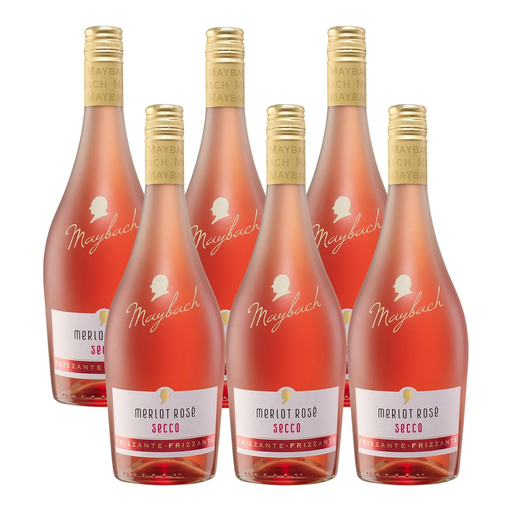
Why this product suits this profile: The six-pack of 0.75-litre bottles is ideal for private celebrations, regular aperitifs or keeping in reserve. This German rosé sparkling wine made from Merlot grapes contains 10.5 % vol. and has a recommended serving temperature of 8–10 °C.
The pack contents, origin, alcohol content and serving temperature are clearly stated in the product information. This makes it easier to match your choice to the occasion.
German rosé sparkling wine, six 0.75-litre bottles and a dry flavour profile.
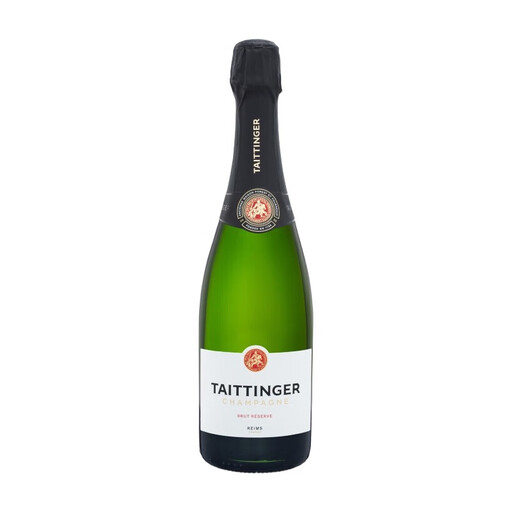
Why this product suits this profile: This French champagne from the Champagne region contains 12.5 % vol. and is described as a blend of Chardonnay, Pinot Noir and Pinot Meunier. It can be served as an aperitif or with fish, seafood and light dishes.
The protected origin “Champagne”, the grape varieties and the alcohol content are clearly stated. This means the product type is not conveyed merely through a general term such as sparkling wine.
French champagne, a 0.75-litre bottle and a Brut profile with specified grape varieties.
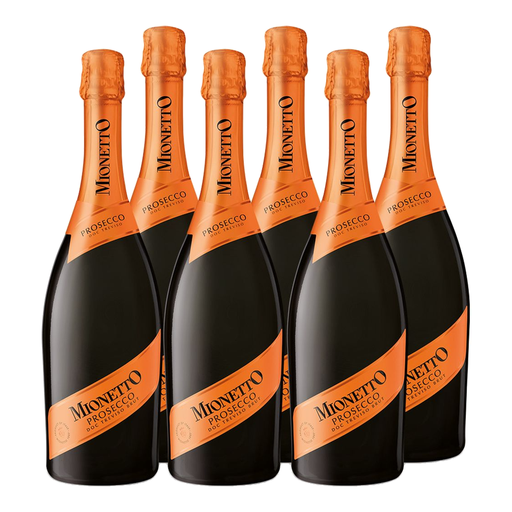
Why this product suits this profile: This Italian Prosecco is offered as DOC Spumante Brut in a six-pack. With 11 % vol. and a serving temperature of 6–8 °C, it is suitable for aperitifs, antipasti, fish dishes and larger gatherings.
The DOC Spumante designation, Glera grape variety, pack contents and nutritional information per 100 ml make an objective comparison easier.
Italian Prosecco, six standard bottles and versatile uses as an aperitif or cocktail base.
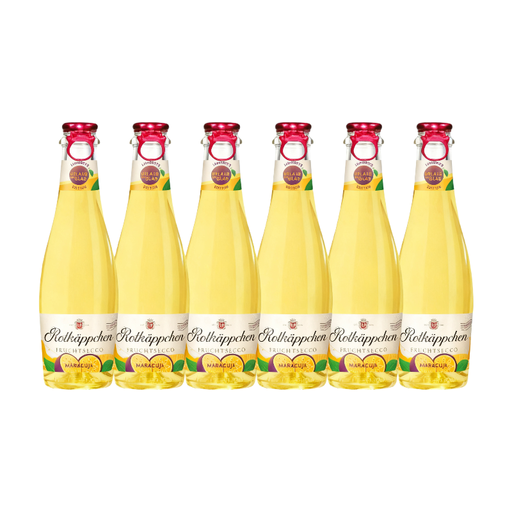
Why this product suits this profile: This flavoured wine-based drink with passion fruit juice contains 8 % vol. and is offered as a six-pack of 0.75-litre bottles. It can be served chilled or over ice and is ideal for relaxed celebrations.
The product type is explicitly described as a wine-based drink containing 1 % passion fruit juice. This distinguishes it from classic Sekt or Prosecco.
Fruit-forward profile, six bottles and a lower alcohol content than many classic sparkling wines.
We have put together a complete, regularly updated list of products that fully meet these strict selection criteria and the safety regulations applicable in the EU.
A 0.75-litre bottle provides approximately five to six servings, depending on the glass size. For a reception, you should also consider whether the drink will be offered solely as an aperitif or over several hours. For larger celebrations, a six-pack can make it easier to replenish supplies.
Once opened, sparkling wine gradually loses its fizz. A suitable sparkling wine stopper can slow this process down. Check the specific product information; some products recommend consuming the wine within 24 hours, while others advise doing so within a few days. Unopened bottles should be stored in accordance with the label and storage instructions.
No. Champagne, Sekt and Prosecco are available in different sweetness levels. Brut describes a dry variety, while Demi-Sec and sweet or medium-sweet products can contain more residual sugar. When choosing, the stated sweetness level is therefore more important than the origin alone.
Alcoholic drinks are intended for adults only. Their sale and consumption are subject to the applicable legal regulations. Pregnant and breastfeeding people should avoid alcohol; please drink responsibly.