
Lieferung heute & morgen

Qualitätsgarantie

Willkommens-Angebote freischalten: KOSTENLOSE Lieferung | Bis zu 80 % RABATT | Kostenlose 30-Tage-JoyPlus-Testphase
App herunterladen
If you want to buy sparkling wine online, you will quickly find a wide selection of German sparkling wine, Prosecco, Champagne, Cava and Crémant. However, product names alone do not always tell you whether a bottle is suitable for the occasion you have in mind. A family celebration calls for different criteria than a small dinner or a gift.
Typical purchasing difficulties arise for three reasons:
The flavour description is particularly important when making your choice. As a general guide:
If you are looking for dry sparkling wine to serve as an aperitif or with savoury food, Brut varieties are a good place to start. Guests who prefer softer flavours may enjoy medium-dry sparkling wine, mild sparkling wine or a fruity sparkling wine. For flavoured products, you should also check the ingredients list. For example, Rotkäppchen Passion Fruit Fruchtsecco contains 1% passion fruit juice and 8% Vol. alcohol.
The designation influences your taste expectations and your choice of wine for a menu:
If you want to buy Prosecco, look for the “DOC” designation and the Glera grape variety. When buying Champagne, the Champagne origin, cuvée and dosage are important details. If you want to buy Cava or buy Crémant, it is worth checking the region, sweetness level and serving temperature.
A standard bottle contains 0.75 litres. This provides approximately six glasses of 0.125 litres each. For a reception or celebration, sparkling wine in a multipack can make planning your purchase easier. A 6-bottle sparkling wine pack containing six 0.75-litre bottles holds 4.5 litres in total.
For smaller gatherings, 0.2-litre bottles such as City Secco Dry or City Rosato Semi-Dry may be more practical. They do not need to be stored for several days after opening. Unopened bottles should generally be stored in a cool, dry place away from direct light. Once opened, we recommend using a suitable sparkling wine stopper and consuming the wine promptly.
The alcohol content of the products listed ranges, for example, from 7.5% Vol. for Lambrusco dell’Emilia Frizzante to 12.5% Vol. for selected Champagnes. Alcoholic drinks are intended only for people of the legally permitted minimum age in their respective country. Pregnant women, children and people who are particularly sensitive to alcohol should choose alcohol-free alternatives. Some products contain sulphites; the allergen information on the label is authoritative.
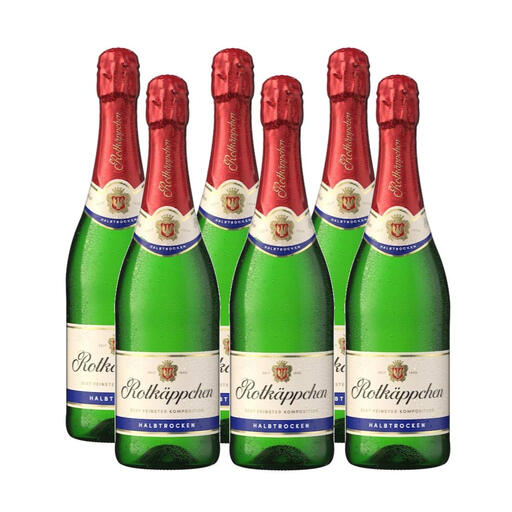
Why this product suits this profile: The 6-bottle pack of 0.75-litre bottles is designed for family celebrations, parties and regular stockpiling. The “Medium Dry” sweetness level is aimed at people who do not prefer very dry sparkling wine.
The pack size and alcohol content of 11% Vol. are clearly stated. This makes it easier to calculate the amount you need before buying.
Six bottles, made in Germany and recommended to be served chilled.
Why this product suits this profile: The individual 0.75-litre bottle in a gift box is ideal for a reception, anniversary or as a present. It contains 12.5% Vol. alcohol and has been matured on the lees for 36 months.
The origin, grape varieties and serving temperature are clearly specified. This makes it easier to distinguish the product from general sparkling wine.
Champagne origin, Brut style and gift box with a 0.75-litre bottle.
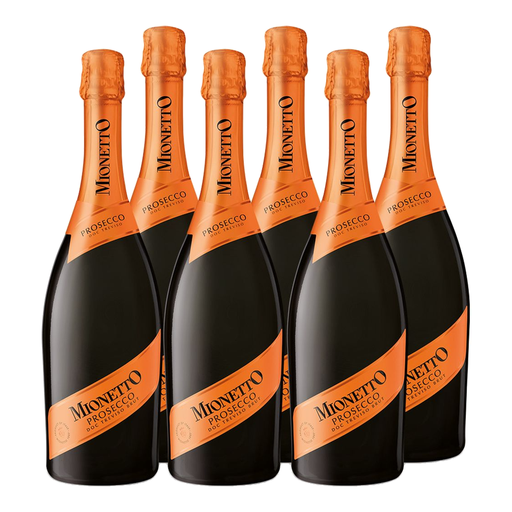
Why this product suits this profile: The Italian 6-bottle pack is suitable for larger celebrations, aperitifs and regular use. It contains 11% Vol. alcohol and 4.5 litres in total, with a recommended serving temperature of 6–8 °C.
The Prosecco DOC designation, Glera grape variety and pack quantity are clearly stated.
Glera as the stated grape variety, Brut style and six bottles for keeping in stock.
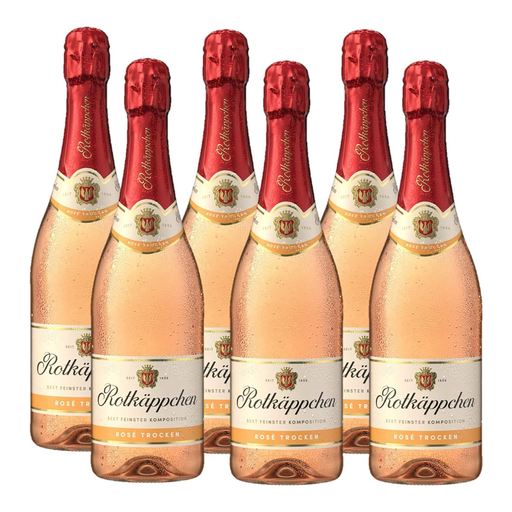
Why this product suits this profile: This rosé sparkling wine in a 6-bottle pack combines the colour of rosé wine with a “Dry” flavour profile. It is ideal for celebrations and sociable evenings.
The colour, flavour profile, bottle quantity and alcohol content of 11% Vol. are listed separately rather than described solely in promotional terms.
Six 0.75-litre bottles, dry rosé style and recommended serving at around 10 °C.
We have compiled a complete, regularly updated list of products that fully meet these strict selection criteria and the safety regulations applicable in the EU.
For a French sparkling wine from outside Champagne, a Crémant de Loire Brut may be an interesting choice. Louis Despas Crémant is offered with a recommended serving temperature of 10 °C. A 6-bottle Cava pack such as Freixenet Cava Carta Nevada Seco is aimed at buyers looking for a dry Spanish sparkling wine for several guests.
Rosé sparkling wine goes well with light starters and summer gatherings. Mionetto Prosecco Rosé DOC Millesimato is described as Extra Dry and contains 85% Glera and 15% Pinot Noir. If you prefer fruity sparkling wine, you can choose flavoured products such as Passion Fruit, or fruity varieties with notes of apple, pear or berries.
For sparkling wine as an aperitif, Brut and dry varieties served at around 5–10 °C are usual choices. Prosecco, Cava and Crémant can be served with fish, seafood, light salads or finger food. Sweeter products are best paired with desserts or fruity dishes.
As a guide, allow one 0.75-litre bottle for approximately six glasses of 0.125 litres each. A smaller quantity is often sufficient for a short reception. For longer celebrations, with additional drinks and top-ups, you should plan for some spare.
Opened sparkling wine gradually loses its carbonation and freshness. With a suitable sparkling wine stopper, the bottle can be sealed and stored in the fridge. Manufacturer recommendations vary; several products advise consuming the wine within one to three days.
Sparkling wine is a general term for this type of wine in German usage. Prosecco comes from a protected Italian region of origin and is usually made from Glera. Champagne may only come from France’s Champagne region. Cava and Crémant also have their own rules of origin. The information on the individual product label is decisive.