
Lieferung heute & morgen

Qualitätsgarantie

Willkommens-Angebote freischalten: KOSTENLOSE Lieferung | Bis zu 80 % RABATT | Kostenlose 30-Tage-JoyPlus-Testphase
App herunterladen
If you want to buy sparkling wine online, you’ll soon find a wide selection of sparkling wine, Prosecco, Cava, Crémant and Champagne. But the differences go beyond the label. The flavour, origin, residual sugar, alcohol content, bottle size and pack size all help determine whether a product is right for a celebration, a meal or keeping at home.
As a Joybuy Product Recommendation Officer, I’ve picked out the key product details to help you know what to look for when shopping in the UK.
The terms on the label don’t simply describe how dry a drink tastes: they indicate its residual sugar content. “Extra Dry” can actually contain more sugar than “Brut”. So if you’re looking for a dry sparkling wine, check the specific taste description and, where available, the sugar content.
For fruitier, softer flavours, consider medium-dry sparkling wine, “Demi-Sec” or milder styles. Dry sparkling wine or a Brut sparkling wine, on the other hand, is generally a better match for savoury dishes and as an aperitif.
A six-pack of sparkling wine with 0.75-litre bottles contains 4.5 litres in total. That can make sense for parties or regular use at home. For a one-off occasion or a gift, however, a single 0.75-litre bottle is often more practical.
You should also think about storage space, delivery weight and how much you’re likely to drink. Small 0.2-litre bottles can make it easier to serve the right amount at receptions and events.
Choosing to buy Prosecco, buy Cava or buy Crémant means choosing products made under different rules governing their origin and production. Prosecco comes from designated regions of Italy and is often made from the Glera grape. Cava comes from Spain and is made using the traditional method. Crémant refers to French quality sparkling wine made outside Champagne, often using bottle fermentation too.
It’s only correct to buy Champagne if the sparkling wine comes from the protected Champagne region of France. The name alone doesn’t tell you whether it will taste dry, medium-dry or sweet.
Look for terms such as Brut, Seco, Extra Dry, Demi-Sec, “Medium Dry” or “Mild”. The wording can vary depending on where the product comes from. So a Prosecco labelled “Extra Dry” and a German sparkling wine labelled “Dry” won’t necessarily taste the same.
Drier styles are often a good choice with a meal featuring seafood, salads or light poultry dishes. Fruitier options, such as fruit sparkling wine or rosé sparkling wine, are better suited to informal receptions, garden parties and light snacks.
Many classic products have an alcohol content of around 10 to 12.5% vol. Alcohol-free alternatives are made from dealcoholised wine, but may still contain sugar and sulphites. So alcohol-free sparkling wine isn’t automatically sugar-free or suitable for every diet.
Legal age restrictions apply to alcoholic drinks. Check the product page and packaging for details. Pregnant people, under-18s and anyone who wants to avoid alcohol should steer clear of alcoholic products.
Sulphites, also known as sulphur dioxide, must be labelled as an allergen when present. Flavoured products may also contain fruit juice, sugar, flavourings or colourings. So check the ingredients list, particularly if you have any intolerances.
The ideal serving temperature is often between 6 and 10 °C, depending on the product. Drinks served too warm can taste more alcoholic and less refreshing. Once opened, bottles should be kept chilled and consumed as soon as possible. Store unopened bottles in a cool, dark place away from direct sunlight.
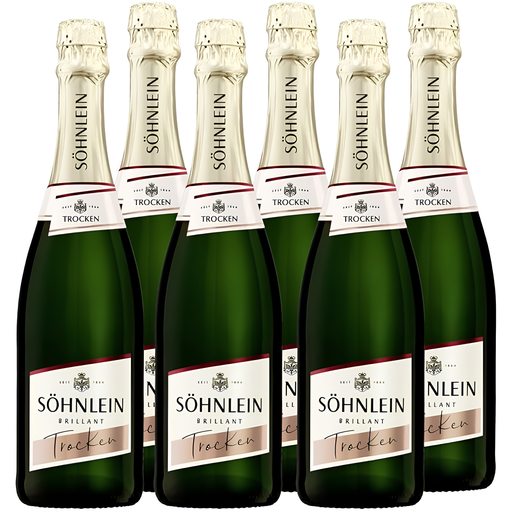
Why it suits this shopper: The pack contains six 0.75-litre bottles, making it a good choice for households that regularly serve sparkling wine or entertain several guests.
The flavour is described as off-dry or dry, and the alcohol content, ingredients and sulphite information are provided.
Six bottles, 11 % vol. and a recommended chilled serving temperature.
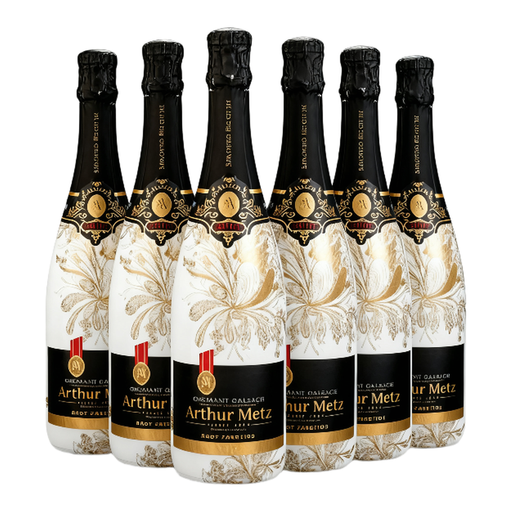
Why it suits this shopper: This Crémant is made using the traditional method, with a second fermentation in the bottle. It pairs well with aperitifs, seafood, poultry and soft cheese.
The French origin, Pinot Blanc, Pinot Gris, Riesling and Auxerrois grape varieties, and Brut style are all clearly stated.
Traditional production, six 0.75-litre bottles and a clear sulphite warning.
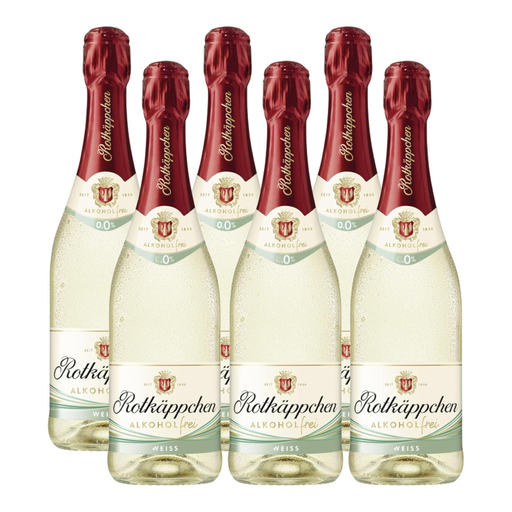
Why it suits this shopper: This alcohol-free option is ideal for parties where guests want to avoid alcohol, and works well alongside alcoholic drinks too.
The product description clearly states that it is made from dealcoholised wine. Ingredients, energy information and sulphites are also listed.
Six bottles containing 4.5 litres in total, and around 27 kJ or 27 kcal per 100 ml according to the product information.
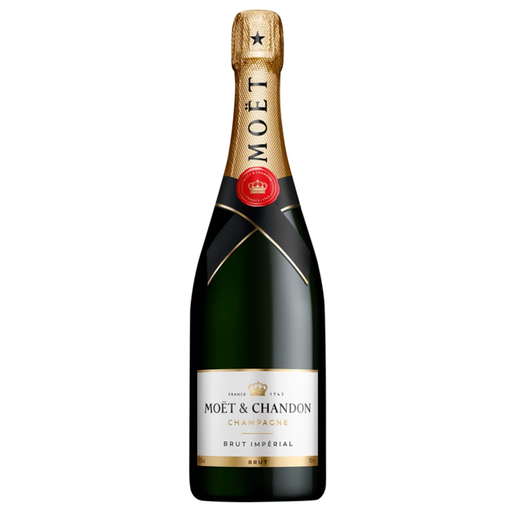
Why it suits this shopper: A single 0.75-litre bottle from Champagne is easier to plan for than a multipack when you’re celebrating a special occasion, hosting a reception or buying a gift.
The product page gives the origin, Brut style, bottle size, alcohol content and serving temperature, making it easier to find the right match for the occasion.
Champagne from France, a 0.75-litre bottle and 12 % vol. according to the product information.
We’ve put together a complete, regularly updated list of products that meet these strict selection criteria and fully comply with the safety regulations in force across the EU.
The shelf life of an unopened bottle depends on the product, closure and storage conditions. Store sparkling wine, Prosecco or Champagne somewhere cool and dark, away from significant temperature changes. Always follow the best-before or use-by date and the instructions on the packaging. Once opened, sparkling wine loses its fizz relatively quickly, so it should be drunk soon afterwards.
Sparkling wine is the general term for quality sparkling wine made in Germany, while Prosecco is a protected designation of origin in Italy. Cava comes from Spain and is traditionally fermented in the bottle. Crémant refers to French sparkling wine from specific regions outside Champagne. Champagne can only come from the Champagne region.
The cost depends mainly on the origin, brand, production method, pack size and alcohol content. For a larger group, a six-pack may be more economical and easier to manage. For a small reception, a special toast or sparkling wine as a gift, a single 0.75-litre bottle is often enough. So always compare the price per litre, not just the total price.