
Lieferung heute & morgen

Qualitätsgarantie

Willkommens-Angebote freischalten: KOSTENLOSE Lieferung | Bis zu 80 % RABATT | Kostenlose 30-Tage-JoyPlus-Testphase
App herunterladen
If you want to buy sparkling wine and champagne online, you’ll quickly find a huge selection from Germany, France, Italy and Spain. Yet this very variety can make the decision harder: a low price per bottle might be tied to a large pack size, a well-known brand name tells you little about the sweetness level, and ‘Rosé’ only describes the colour.
This guide shows you which details actually matter when you buy champagne, buy sparkling wine or order Prosecco and Cava.
A six-pack of sparkling wine may look more expensive at first glance than a single 0.75-litre bottle. But for parties, club evenings or larger households, the price per bottle can be the deciding factor. So always compare:
Six bottles usually equal 4.5 litres. That’s handy for a celebration, but for a single occasion it might be more than you need.
‘Brut’, ‘Extra Brut’, ‘Trocken’, ‘Halbtrocken’ and ‘Mild’ are not interchangeable terms. They refer to the residual sugar content and have a big impact on flavour.
So when you’re looking at a dry sparkling wine, be sure to check the specific product description and, if given, the residual sugar level. The names follow set categories, but your personal taste is still what matters most.
French champagne may only come from the protected Champagne region. Cava comes from Spain and is traditionally fermented in the bottle. Prosecco comes from Italy and is tied to the protected designation Prosecco DOC or DOCG. ‘Sekt’ is a broader term for quality sparkling wine.
So an Italian sparkling wine isn’t automatically Prosecco, and a French sparkling wine from outside Champagne isn’t champagne. The origin and name should be clearly stated in the product description.
For an aperitif, seafood or sushi, Brut and Extra Brut styles often work well. A Demi-Sec champagne or a milder sparkling wine can be a better match for sweet desserts or guests who prefer fruitier wines. Rosé sparkling wine and rosé champagne also bring red fruit flavours and a different visual appeal.
Bear in mind that ‘Rosé’ doesn’t automatically mean sweet. A rosé can be Brut, Extra Dry or off-dry.
The products listed range from around 10.0 to 12.5% ABV, depending on the variant. Serving temperature affects the perceived aroma and freshness:
Chill the bottles in good time. A standard fridge is fine if the bottle isn’t stored for a long period. For storage, choose a dark, dry place that stays as temperature-stable as possible. Once opened, a suitable sparkling wine stopper will keep the fizz in longer; you should drink opened sparkling wine promptly.
Sparkling wine often contains sulphur dioxide and sulphites. These must be listed on the product label and can cause allergic reactions in sensitive people. Before buying, you should also check the alcohol content, net volume, origin and manufacturer details.
Alcoholic drinks are not intended for children or young people. Sales are subject to German youth protection laws; the specific age check may vary by product and retailer. Pregnant women should avoid alcohol. Drink responsibly and remember that alcohol impairs your ability to drive.
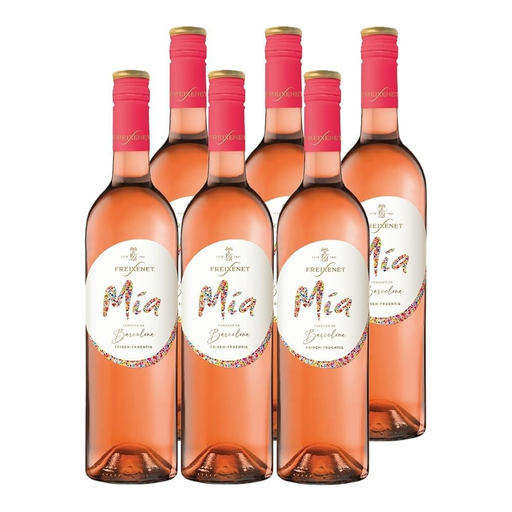
Why this product fits the profile: The six-pack is aimed at buyers who need several bottles for guests, parties or regular aperitif occasions. This Spanish rosé sparkling wine is described as off-dry and contains 12% ABV.
The pack size is clearly stated. The style is not labelled as Brut but as off-dry – so you can better gauge the flavour you’re getting.
Six bottles of 0.75 litres each, 12% ABV, rosé style and, according to the product info, suitable for aperitifs, seafood, tapas, poultry and salads.
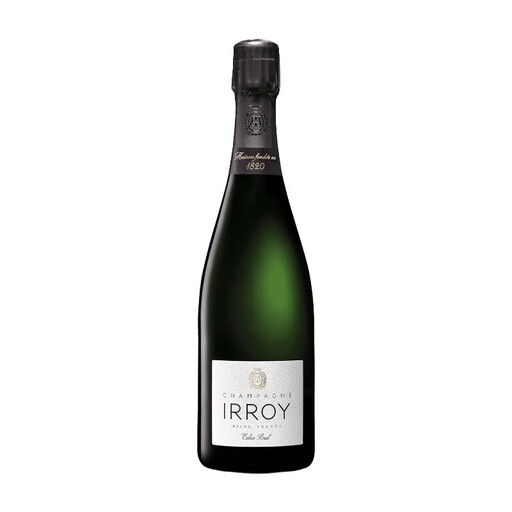
Why this product fits the profile: The single 0.75-litre bottle is ideal for a special evening or as a gift champagne, where origin, ageing time and sweetness level are the priority.
The product details state Extra Brut, the grape blend of Pinot Noir, Pinot Meunier and Chardonnay, and at least 30 months of bottle ageing.
French champagne with a stated cuvée, a mineral flavour profile and suitability for seafood, fish, white meat and aged cheese.
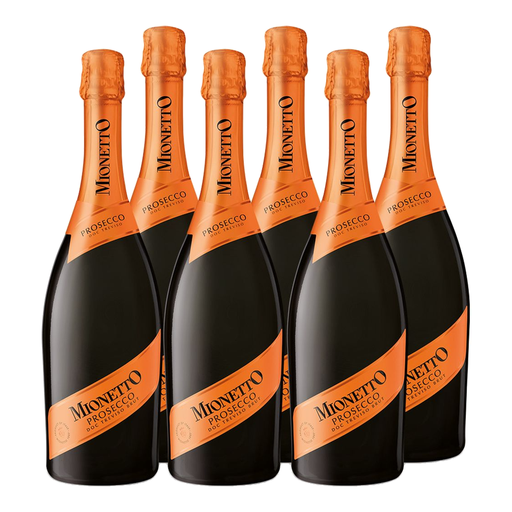
Why this product fits the profile: If you want to buy Prosecco online and cover several occasions, this six-pack gives you Italian Prosecco DOC, 11% ABV and a stated Brut style.
The origin is given as Italy and Veneto, the Prosecco DOC designation and the Glera grape variety are clearly stated.
Six bottles, Brut style, 6–8 °C serving temperature and food pairing suggestions including antipasti, fish, risotto and quiche.
We’ve put together a full, regularly updated list of products that meet these strict selection criteria and all applicable EU safety regulations.
Sparkling wine usually doesn’t have a single best-before date like many other foods. Store unopened bottles in a dark, dry place that stays as temperature-stable as possible. For products with specific ageing or storage instructions, follow the details on the label and in the product description. Once opened, bottles kept with a sparkling wine stopper in the fridge will only stay drinkable for a short time.
Brut champagne may contain no more than 12 grams of residual sugar per litre and often tastes dry. ‘Trocken’ (dry) for sparkling wine is a different category with a higher possible residual sugar range. That’s why a dry sparkling wine can taste softer than a Brut champagne. Compare the specific labelling and, if available, the residual sugar value.
As a rough guide, you can expect around six to eight glasses per 0.75-litre bottle, depending on glass size and how much you pour. For several guests, a six-pack is practical. For an aperitif for two or as a gift, a single bottle is usually enough. Also consider offering non-alcoholic alternatives and water so guests can choose for themselves.