
Lieferung heute & morgen

Qualitätsgarantie

Willkommens-Angebote freischalten: KOSTENLOSE Lieferung | Bis zu 80 % RABATT | Kostenlose 30-Tage-JoyPlus-Testphase
App herunterladen
If you want to buy sparkling wine online, you’ll find a wide selection of German Sekt, Italian Prosecco, French Champagne, Cava and Frizzante. Price alone isn’t enough to help you choose the right bottle. The key factors are sweetness, bottle size, alcohol content, origin and the occasion you have in mind.
Terms such as dry sparkling wine, “Dry”, “Brut” and “Extra Dry” may sound similar, but they don’t necessarily indicate the same level of sweetness. Always check the information on the label or in the product details. For example, Prosecco labelled “Extra Dry” may be sweeter than “Brut”.
So, if you’re looking for a particularly crisp, less sweet taste, don’t just look for the word “dry”. Compare the category and, where available, the residual sugar content too. If you’re catering for guests with different tastes, it may be worth choosing a selection of Brut, dry, medium dry and sweet styles.
Champagne comes from the Champagne region of France and is subject to protected origin rules. Prosecco comes from designated areas of Italy and is usually made from the Glera grape. Cava is Spanish quality sparkling wine, while Frizzante usually refers to a semi-sparkling wine with lower pressure than traditional sparkling wine.
“Sparkling wine”, on the other hand, is a general English term. German Sekt doesn’t have to taste like Prosecco, and Italian sparkling wine isn’t automatically Prosecco. Origin, production method and grape variety have a greater influence on the character of the drink than eye-catching packaging.
A 6-bottle pack of sparkling wine can be a cost-effective choice for celebrations, receptions or regular occasions. For a smaller household or as a single gift, 0.75-litre bottles are often more practical. Small 0.2-litre bottles are handy for serving individual portions, but they often cost more per litre.
Before you buy, check the total quantity, how much storage space you have and how many guests you expect. It’s also worth comparing the price per litre of multipacks.
These terms are legally defined, but retailers sometimes supplement them with English product descriptions. Always check the full product description as well.
Depending on the style, the products featured have an alcohol content of, for example, between 7.0 and 12.5% vol. A lower alcohol content doesn’t automatically mean less sugar. Cinzano Asti, for instance, is listed at 7.0% vol., while classic Champagne products are usually above 12% vol.
Product details for sparkling wines often list sulphites. If you’re sensitive to them, check the allergen information. Nutritional values such as energy, carbohydrates and sugar can vary considerably between products. The information on the packaging is definitive.
In Germany, alcoholic drinks must not be sold to anyone below the legal minimum age. The minimum age for wine and sparkling wine is generally 16; stricter rules apply to spirits. Alcohol should be avoided during pregnancy.
Store unopened bottles in a cool, dry place away from direct sunlight. Many products recommend serving at between 6 and 10 °C. Champagne and Prosecco are often served cooler, while rosé sparkling wine may be poured slightly warmer, depending on the producer’s instructions.
Once opened, a suitable sparkling wine stopper will keep the bubbles in better than the original cork. Keep opened bottles in the fridge and drink them soon. Most commercially available sparkling wines aren’t intended for long-term storage.
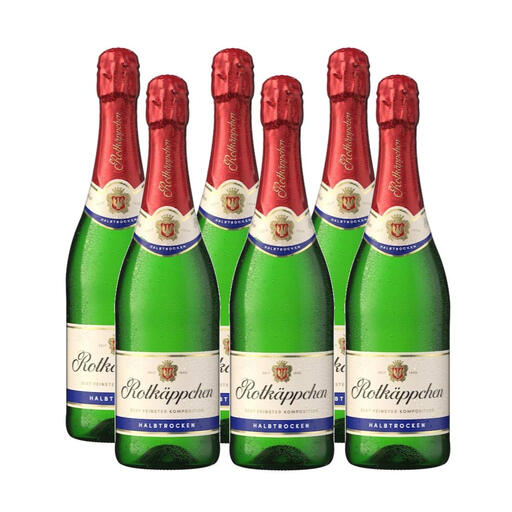
Why this product suits this shopper: The pack of six 0.75-litre bottles is ideal for family celebrations, entertaining and keeping a regular supply on hand. It has an alcohol content of 11.0% vol. and is described as a medium-dry style.
The pack size and stated style are clearly shown, so you can check the quantity you need and the sweetness before buying.
Six bottles, made in Germany, 11.0% vol. and information about storage and sulphites.
Why this product suits this shopper: This French Champagne comes in a 0.75-litre bottle and gift box. It has an alcohol content of 12.5% vol., is aged on its lees for 36 months and is best served at 6–10 °C.
The origin, grape varieties, alcohol content, ageing time and gift packaging are all clearly specified, rather than relying on general marketing claims.
Champagne origin, a blend of Chardonnay, Pinot Noir and Pinot Meunier, plus a gift box.
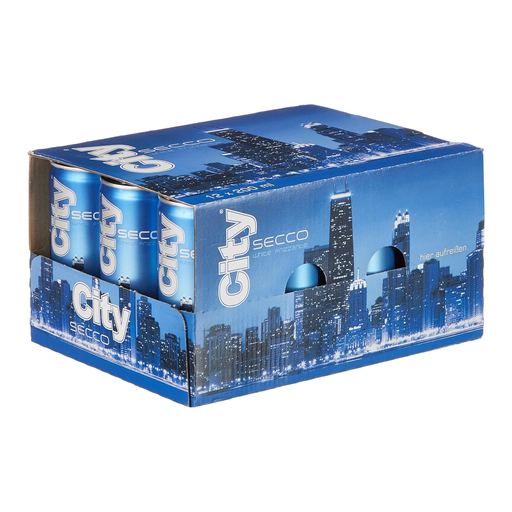
Why this product suits this shopper: Twelve small bottles of 0.2 litres each make it easier to serve individual portions at receptions, picnics or events where you’ll be pouring lots of separate glasses.
Individual portions mean fewer opened bottles left over. The product details also list ingredients, sulphites and nutritional values per 100 ml.
12 × 0.2 litres, dry white sparkling wine and 70 kcal per 100 ml according to the product information.
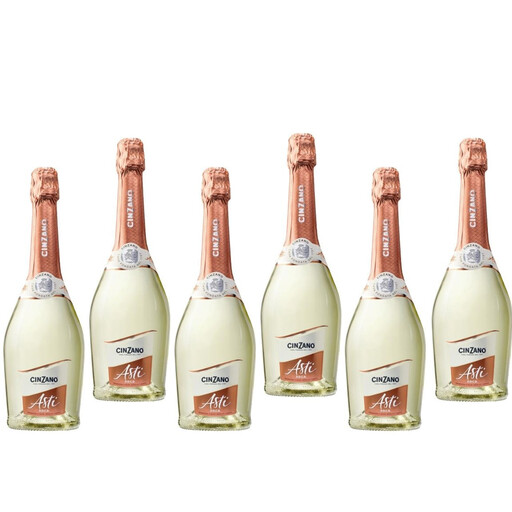
Why this product suits this shopper: This Italian Asti from Piedmont is described as sweet and fruity. The pack of six is well suited to serving with dessert or sharing with a larger group.
The product description specifies the sweetness, origin, Muscat grape variety and 7.0% vol., making it easier to understand the style before you buy.
Six 0.75-litre bottles, DOCG designation, 7.0% vol. and a stated suitability for light desserts.
We’ve put together a complete, regularly updated list of products that meet these strict selection criteria and the safety regulations in force across the EU.
Depending on the size of the glasses, a 0.75-litre bottle will pour around five to six servings. If you’re hosting a reception with several drinks on offer, you’ll often need less sparkling wine per person. For a sparkling wine reception, it’s a good idea to have some extra on hand. Small 0.2-litre bottles can make it easier to plan quantities, but they’re not always the most budget-friendly option.
Opened sparkling wine should be sealed, kept in the fridge and ideally drunk within one to three days. A special sparkling wine stopper helps preserve the bubbles. Without one, the wine will usually go flat more quickly. Always follow the best-before or use-by date and the producer’s instructions on the packaging.
Origin, packaging and the occasion are particularly important when choosing a gift. A bottle of Champagne in a gift box makes a formal impression, while rosé sparkling wine or a Prosecco set may be better suited to a private celebration. Before buying, also check the alcohol content, sulphite information, serving temperature and the recipient’s preferences.