
Lieferung heute & morgen

Qualitätsgarantie

Willkommens-Angebote freischalten: KOSTENLOSE Lieferung | Bis zu 80 % RABATT | Kostenlose 30-Tage-JoyPlus-Testphase
App herunterladen
The right flour is the foundation of any perfect bake. But anyone who has tried to make an authentic Neapolitan pizza or an especially airy sponge cake with ordinary all-purpose flour knows: not every flour is suitable for every recipe. The selection in supermarkets is often limited and insufficient for special projects. This guide will help you understand the differences between various specialty flours and make an informed decision when you buy specialty flour for your next project.
Choosing the right flour depends on the specific requirements of your recipe. Instead of being guided by packaging designs, you should focus on objective criteria.
The protein content is crucial for the texture of the final product. Proteins, mainly glutenin and gliadin, form the gluten network when they come into contact with water.
In Germany, the flour type number (e.g., 405, 550, 1050) indicates the mineral content (ash content) in milligrams per 100 grams of flour. A lower type number means a lower mineral content and a lighter, more finely milled flour.
When you specifically order flour online for a project, you have access to a greater variety of types and specialty blends that are often unavailable in local stores.
Here is a selection of flours designed for specific baking applications.
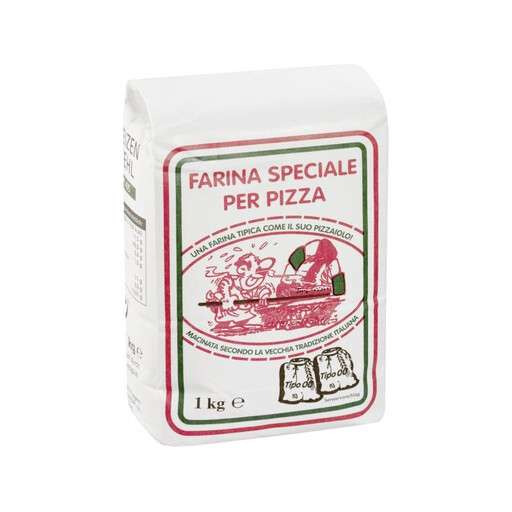
Why it stands out This flour is specially classified as Tipo 00 based on the Italian standard. Its fine grind allows for the creation of a very smooth and stretchy pizza dough that can be stretched thin without tearing. With a protein content of 12.0g per 100g, it provides the necessary structure for an airy crust that rises at the edge (the "cornicione").
Benefits
Who is it for? For home bakers who aspire to bake a Neapolitan-style pizza with a characteristically airy crust and a thin, stable base. It is the ideal flour for pizza dough when authenticity is a priority.

Why it stands out This cake flour is distinguished by its specifically low protein content. According to the manufacturer, the protein level is precisely controlled to ensure consistent quality. With 9.1g of protein per 100g, it forms only a weak gluten network, which results in an exceptionally tender and fine crumb.
Benefits
Who is it for? For anyone who wants to bake particularly tender and airy cakes. If your cakes have been too dense or dry in the past, switching to a special wheat flour for cakes like this one could make all the difference.

Why it stands out This flour is a classic high-protein flour designed specifically for the demands of yeast doughs. With a protein content of 12.5g per 100g, it provides the necessary gluten structure for excellent fermentation stability and good volume in the finished bread. It ensures the desired chewy crumb and a strong crust.
Benefits
Who is it for? For home and hobby bakers who focus on baking bread, rolls, bagels, or other yeast-heavy baked goods. It is the right bread flour for anyone who appreciates an elastic dough consistency and a chewy, satisfying texture in the final product.
The world of flour is diverse and offers the right product for every baking project. If you haven't found what you're looking for in this selection or want to discover other specialty flours, you can find a wider range in our category.
Discover more specialty and gluten flours here
The main difference lies in the fineness of the grind and often the protein content. Tipo 00 pizza flour is extremely finely milled according to Italian standards, which results in a very smooth dough. German Type 405 wheat flour is also fine, but the texture is different. Additionally, pizza flour is often optimised to a protein content of about 12% to achieve the elasticity typical of pizza, whereas Type 405 usually contains less protein.
Technically, it's possible, but the result will not be optimal. The high-protein flour for bread forms a strong gluten network that would make a cake chewy and rubbery instead of tender and airy. Conversely, a low-protein cake flour would not give bread the necessary structure to rise; it would turn out flat and dense.