
Lieferung heute & morgen

Qualitätsgarantie

Willkommens-Angebote freischalten: KOSTENLOSE Lieferung | Bis zu 80 % RABATT | Kostenlose 30-Tage-JoyPlus-Testphase
App herunterladen
When you decide to buy specialty teas, you enter a world of flavour that goes far beyond the standard supermarket selection. From warming ginger tea and traditional Korean tea to complex Ayurvedic blends, the variety is immense. But this diversity also has its pitfalls. Many products marketed online as "premium" or "natural" turn out to be a disappointment upon closer inspection. This guide will help you identify the key criteria and make an informed choice.
Before you order tea online, it's helpful to know the most common issues that can lead to an unsatisfactory buying experience.
To ensure you receive a product that meets your expectations, you should check three core aspects.
The format of the tea is a key factor in its preparation time and flavour profile. Each variant has its own specific characteristics:
A transparent ingredients list is the most important mark of quality. Pay attention to the order of the ingredients: if sugar is listed first, its proportion is the highest. Terms like "natural flavour" can indicate added flavourings that do not come from the fruit or plant named on the package.
The origin provides insight into the tradition and typical characteristics of a tea. A Chinese herbal tea often follows the principles of Traditional Chinese Medicine (TCM), while an Ayurveda tea is based on Indian teachings.
Are you looking for a tea for a specific purpose? The ingredients provide the crucial clue:
Here are some recommendations tailored to different needs and preferences.
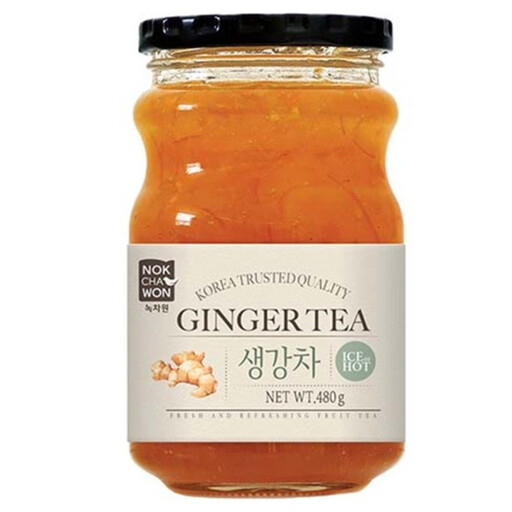
Why This Fits Their Persona: Ideal for anyone who appreciates the authentic, spicy-sweet flavour of Korean ginger tea without the long preparation time. The concentrate mixes quickly with hot or cold water and is ready to drink instantly.
The ingredients list is clear and transparent. With 35% ginger and 5% honey, the product delivers a genuine, robust flavour instead of artificial aromas. Its format as a concentrate is clearly declared.
Versatile enough to be used as a hot or cold drink, a spread, or a cooking ingredient. It offers an authentic taste of Korean tea culture.
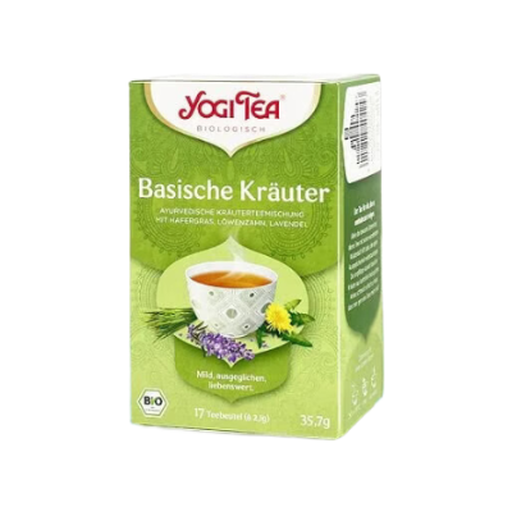
Why This Fits Their Persona: Perfect for health-conscious individuals looking for a tea to support their well-being. This Ayurvedic herbal blend is specifically designed for an alkaline diet and is naturally caffeine-free.
This tea bypasses the "false natural" trap with certified organic quality and a fully declared ingredients list, free from hidden sugars or artificial additives.
A carefully composed blend of alkaline herbs like dandelion and lavender. The organic certification ensures the quality of the ingredients.
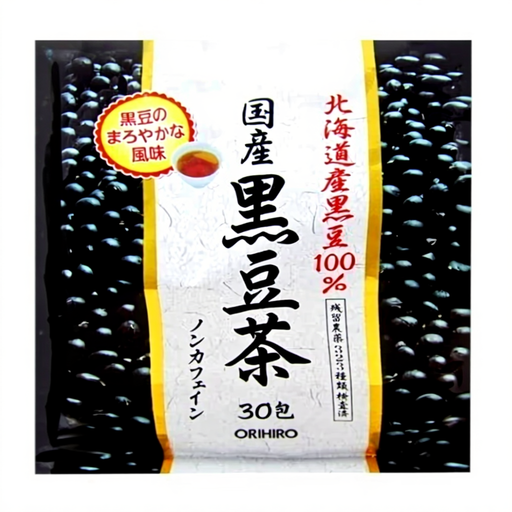
Why This Fits Their Persona: For tea lovers seeking an authentic and rare specialty. Kuromame tea, made from roasted black soybeans, is a traditional Japanese beverage with a unique, nutty flavour profile.
This product consists of only one ingredient: 100% Japanese black soybeans. There are no vague descriptions or hidden additives. The origin and type are completely transparent.
A pure, caffeine-free product with a deep, roasted, and nutty taste. It offers an authentic piece of Japanese tea culture that is hard to find in local stores.
We've compiled a complete, up-to-date list of products that fully meet these strict selection criteria and all applicable regulations.
Most teas, especially loose leaves and herbs, should be stored in a cool, dry, and dark place. An airtight tin or ceramic canister is ideal for protecting the tea from light, moisture, and foreign odours. Tea concentrates in glass jars should be refrigerated after opening and consumed promptly.
Instant tea comes in a powder or granule form and dissolves completely in water. It is completely dry. A tea concentrate, on the other hand, is a liquid, syrup-like preparation that is diluted with water. Concentrates often contain fresh fruit pieces or ginger slices, providing a different texture and flavour intensity.
Not necessarily. While many traditional herbal blends like chrysanthemum, jujube, or ginger tea are naturally caffeine-free, other Asian teas are based on the tea plant (Camellia sinensis), such as green tea or oolong tea, and therefore contain caffeine. Always check the ingredients list if you wish to avoid caffeine.