
Lieferung heute & morgen

Qualitätsgarantie

Willkommens-Angebote freischalten: KOSTENLOSE Lieferung | Bis zu 80 % RABATT | Kostenlose 30-Tage-JoyPlus-Testphase
App herunterladen
Buying spirits online offers an unparalleled selection that goes far beyond the local supermarket shelf. But this variety also brings challenges. Those looking to buy spirits online are often confronted with marketing jargon, unclear product descriptions, and a sheer volume of options. This guide will help you identify the crucial quality markers and make an informed choice that meets your expectations.
As your Joybuy Product Recommendation Officer, my mission is to provide objective information so you can find the products that perfectly match your needs.
Before you stock your home bar, you should be aware of the typical stumbling blocks that often lead to disappointment.
To avoid falling into these traps, focus on verifiable facts. The following three criteria are crucial for your selection.
The foundation of any spirit is its raw materials. These determine the fundamental character of the final product.
Official designations offer reliable guidance as they are based on defined standards.
These details are often found in the fine print but have a major impact on the taste.
Based on these objective criteria, we have curated a few products for different user profiles.
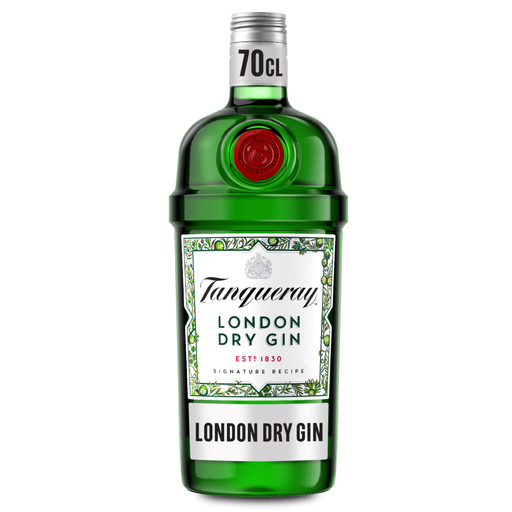
Why This Fits Their Persona: A reliable and versatile foundation for a home bar. Ideal for classic cocktails like a Gin & Tonic, Negroni, or Martini, where a crisp, juniper-forward profile is required.
The "London Dry Gin" designation is a defined production standard, not just a marketing term. The four core botanicals are well-known, ensuring a transparent and consistent flavour profile.
Quadruple-distilled for high purity. A balanced profile of juniper, coriander, angelica root, and liquorice.
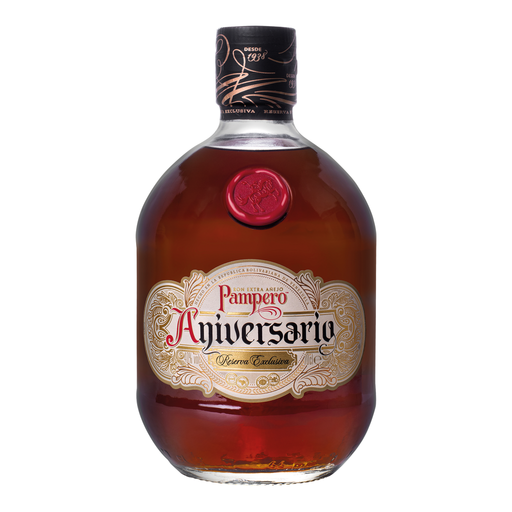
Why This Fits Their Persona: For connoisseurs seeking a complex, aged rum for sipping neat or for high-end cocktails. The maturation in different cask types indicates a deep flavour profile.
The product description is specific: it is a blend of reserve rums aged in former sherry and bourbon casks. These are concrete facts rather than vague "premium" promises.
Complex notes of molasses, chocolate, vanilla, and spice. A smooth, round mouthfeel from the complex barrel ageing process.
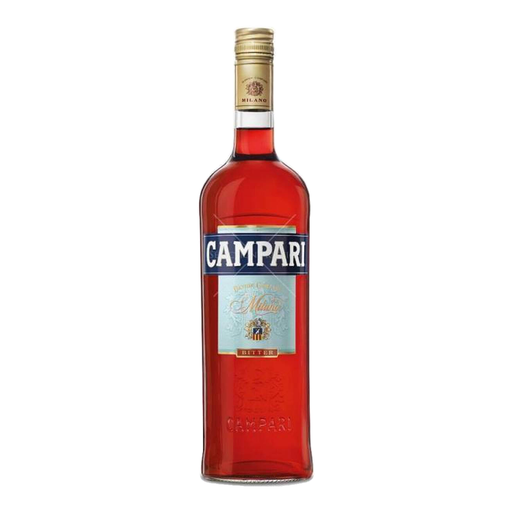
Why This Fits Their Persona: A timeless classic for the Aperitif hour. Campari is the indispensable ingredient for world-famous drinks like the Negroni, Americano, or Campari Spritz, and signals stylish hosting.
Campari defines its own category and doesn't rely on fleeting trends. Its identity is based on a consistent, bittersweet flavour profile that dates back to 1860, not on vague marketing attributes.
Unmistakable flavour profile from herbs, aromatic plants, and fruit. Versatile enough for a wide range of classic and modern cocktails.
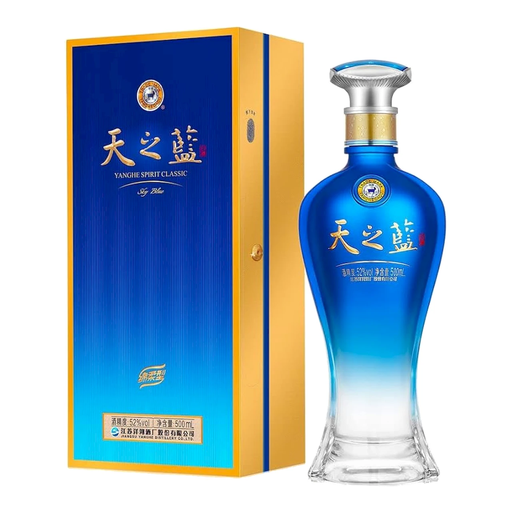
Why This Fits Their Persona: For the adventurous drinker looking to expand their horizons beyond Western spirits. Baijiu is the most consumed spirit in the world and offers a completely new flavour spectrum.
The description provides concrete facts: "Soft Aroma" style, aged for more than six years in porcelain jars, and a clear list of its multi-grain base. This creates transparency in a category that is new to many.
Exceptionally smooth and balanced profile despite its 52% ABV. Complex aromas of ripe berries, tropical fruits, and floral notes.
We have compiled a complete, up-to-date list of products that fully meet these strict selection criteria and all relevant regulations.
1. How can I identify a reputable online spirits retailer? Look for a complete legal notice, transparent age verification policies (e.g., verification upon delivery), secure payment options, and detailed product descriptions. These should include at least the alcohol content, volume, manufacturer, and, where applicable, a list of ingredients and allergens.
2. How do I properly store spirits after opening? Most high-proof spirits (whisky, rum, gin, vodka) should be stored upright in a cool, dark place to minimise the alcohol's contact with the cork. Opened cream liqueurs, vermouth, or other fortified wines belong in the refrigerator and should be consumed promptly.
3. Are more expensive spirits always higher quality? Not necessarily. Price is influenced by many factors, including maturation time, rarity of ingredients, complex production methods, and brand marketing. A well-made young spirit can be of higher quality than a poorly produced, long-aged product. Base your decision on the objective parameters discussed here, not on price alone.