
Lieferung heute & morgen

Qualitätsgarantie

Willkommens-Angebote freischalten: KOSTENLOSE Lieferung | Bis zu 80 % RABATT | Kostenlose 30-Tage-JoyPlus-Testphase
App herunterladen
When you buy spirits online, you're faced with a vast selection. From well-known brands to niche products, everything is just a few clicks away. But this variety can also lead to disappointing purchases. Not every offer lives up to its promise, and appealing labels often hide products that are unsuitable for your intended occasion. As your Joybuy Product Recommendation Officer, I'll help you navigate the common pitfalls and make an informed decision.
The convenience of online shopping can come at a cost if you're not careful. Here are two common problems that can lead to disappointment:
To ensure you find the right product for your needs, you should check three central aspects. These will help you objectively assess the quality and suitability of a spirit.
The designation of a spirit provides insight into its fundamental characteristics and use.
Check the alcohol by volume (% ABV) to gauge the intensity and intended use. Higher-proof spirits are often suitable as a base for cocktails, while lower-proof liqueurs also shine when served neat or on the rocks.
A transparent ingredient list is an indicator of a meticulously crafted product. Pay attention to whether natural flavourings or artificial additives are used. Statements like "contains colouring" can point to a less natural production process. The origin (e.g., "Made in Germany") also provides information about production standards.
Don't just compare the price, but also the volume (in litres or millilitres). A 0.7 L bottle is standard, but many speciality spirits are offered in 0.5 L bottles. For parties or celebrations, sets with many small bottles (e.g., 20 x 0.02 L) can be more practical and hygienic than one large bottle.
Here are some recommendations tailored to specific use cases that take the above criteria into account.
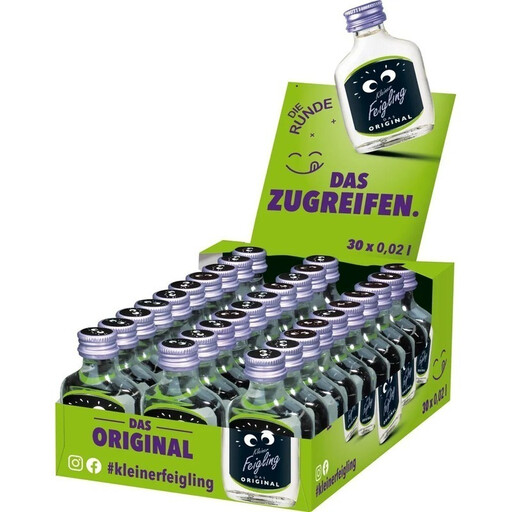
Why it's a great fit: Ideal for hosts who need hassle-free and popular party drinks. The pre-portioned shots are ready to serve, require no mixing, and are a well-known crowd-pleaser at celebrations.
The product information is clear: 30 bottles of 0.02 litres with 20% ABV. There are no vague quality claims, just a straightforward product for a clear purpose.
Maximum convenience and easy portioning for a large group. The familiar taste ensures wide appeal among guests.
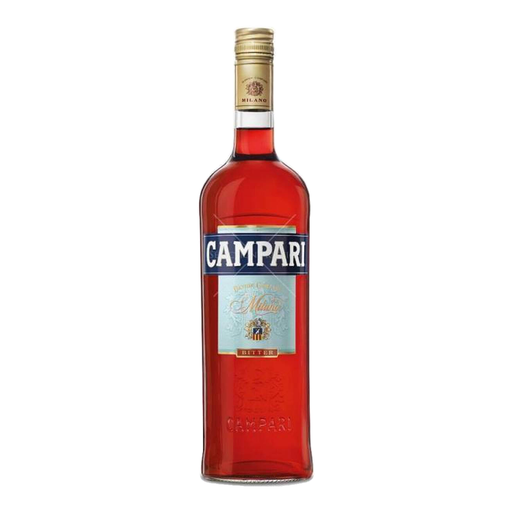
Why it's a great fit: Campari is an essential cocktail ingredient and the base for classics like the Negroni, Americano, or Campari Spritz. Its versatility makes it a cornerstone of any home bar.
This product doesn't rely on vague marketing terms but on a 150-year-plus history and a clearly defined, bittersweet flavour profile. You know exactly what you're getting.
An internationally recognised standard as an aperitif and mixing spirit. The recipe, based on herbs and fruits, has remained unchanged since 1860.
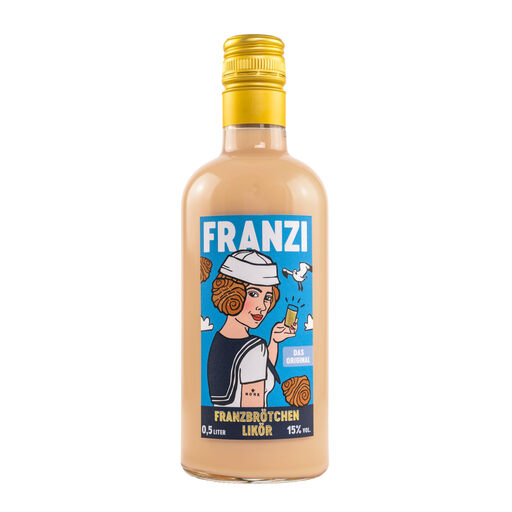
Why it's a great fit: For anyone seeking a unique taste experience. This cream liqueur offers a liquid interpretation of the Northern German pastry, with notes of cinnamon, caramel, and butter—ideal as a digestif or with desserts.
This liqueur's value lies in its uniqueness, not in vague "premium" promises. The flavour profile is clearly defined and appeals to a specific audience looking to try something new.
A distinctive product that serves as a conversation starter. Its creamy texture and sweet taste make it a perfect addition to coffee or ice cream.
If you're looking for more ideas for an aperitif or a special liqueur, we've curated a comprehensive selection of products that meet our criteria for transparency and quality.
1. How should I store opened liqueurs? Most spirits and liqueurs have a long shelf life after opening if they are stored tightly sealed in a cool, dark place. Direct sunlight and high temperatures should be avoided. Cream liqueurs (e.g., Ramazzotti Crema, Franzi Franzbr?tchen Liqueur) should be refrigerated after opening and consumed within a few months to ensure freshness. Always check the instructions on the label.
2. What is the difference between an aperitif and a digestif? An aperitif is drunk before a meal to stimulate the appetite. It is often light, sparkling, or bitter (e.g., Campari, Lillet). A digestif is served after a meal and is intended to aid digestion. It is typically more robust, often a herbal liqueur (e.g., Ramazzotti Amaro, J?germeister) or a sweet liqueur.
3. Is it safe to order spirits online? Yes, buying online from established retailers is safe. Reputable vendors ensure age verification during the order process and/or upon delivery. Pay attention to transparent information about delivery times and shipping costs to avoid unexpected expenses. Products are shipped in shatter-proof packaging to prevent damage during transport.