
Lieferung heute & morgen

Qualitätsgarantie

Willkommens-Angebote freischalten: KOSTENLOSE Lieferung | Bis zu 80 % RABATT | Kostenlose 30-Tage-JoyPlus-Testphase
App herunterladen
Buying spirits online offers a vast selection that goes far beyond what's on your local supermarket shelf. However, this abundance of options can also lead to buyer's remorse. Those looking to order alcohol online are often confronted with exaggerated marketing claims and unclear product descriptions. As your Joybuy Product Recommendation Officer, I'll help you identify the crucial quality markers and make an informed choice.
Before you stock your home bar, you should be aware of the typical marketing traps that often lead to disappointment.
To separate the wheat from the chaff, focus on objective and verifiable criteria. These three parameters are crucial when you buy spirits online.
Every spirit is subject to specific production rules that define its character. A basic understanding helps in making the right choice.
The alcohol content is more than just a number. It significantly influences the taste, mouthfeel, and suitability for mixed drinks.
These details often reveal more about quality than any marketing promise.
Here are some recommendations tailored to different needs that meet the quality criteria mentioned above.
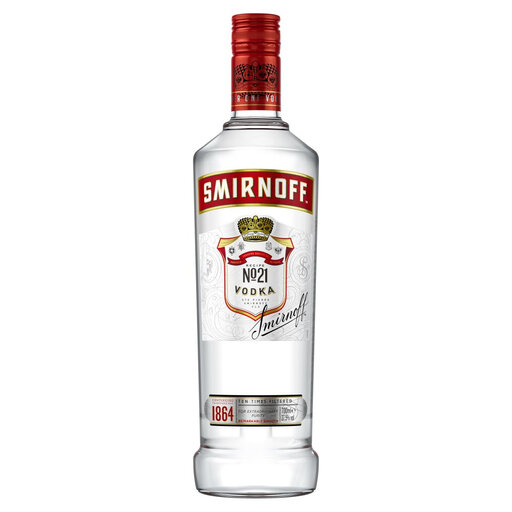
Why it's a great fit: Ideal for anyone taking their first steps into the world of cocktails and long drinks. Its neutral and clean flavour profile makes it a reliable base that doesn't compete with other ingredients. Perfect for classics like the Moscow Mule or Vodka Lemon.
This product avoids exaggerated "premium" claims. It delivers exactly what it promises: a solid, well-filtered vodka at a fair price. You're paying for the product, not for marketing hype.
High mixability and a crisp, clean aroma make it a universal ingredient for a wide variety of drinks.
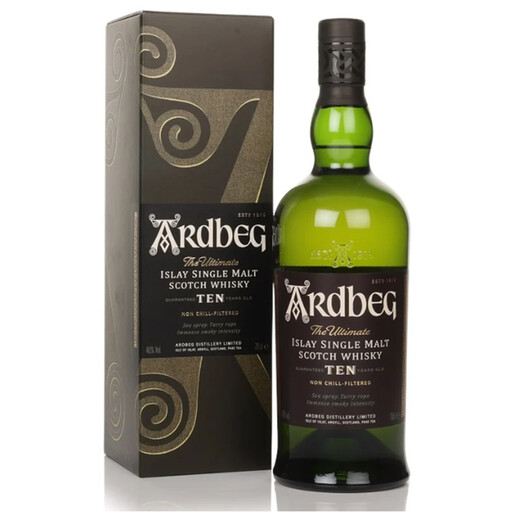
Why it's a great fit: For experienced whisky drinkers seeking a distinctive dram full of character. The intense smoke and maritime notes are typical of the Isle of Islay and offer a complex taste experience that goes far beyond the ordinary.
Here, verifiable facts define the quality: a clear age statement (10 years), a specific origin (Islay, Scotland), and a technical detail (non-chill filtered at 46% ABV). These are objective characteristics, not empty marketing phrases.
An intense, smoky, and complex flavour profile that remains unaltered thanks to non-chill filtration.
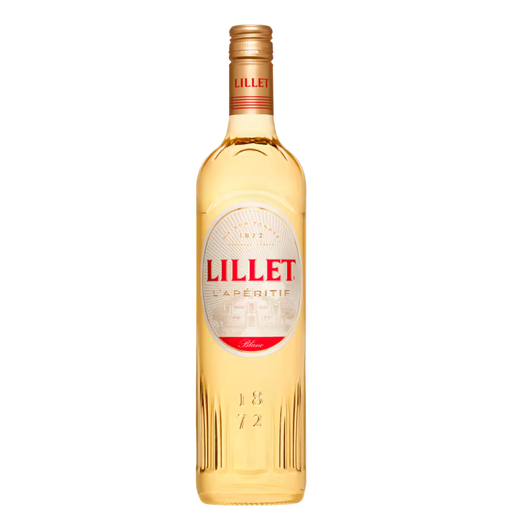
Why it's a great fit: As a light and refreshing wine-based aperitif, Lillet Blanc is an elegant choice for welcoming guests. It's not too strong and can be easily mixed with tonic water to create a Lillet Spritz – an approachable drink that's a crowd-pleaser.
This product has a clearly defined role as an aperitif. It doesn't try to be a complex spirit for sipping neat. The product description is transparent about its base (wine) and fruity notes, so no false expectations are set.
Light, fruity-fresh, and very versatile for simple yet stylish drinks. The moderate alcohol content of 17% ABV is perfect for starting an evening.
We have compiled a complete, up-to-date list of products that fully meet these strict selection criteria and comply with German regulations.
Most high-proof spirits (like whisky, vodka, gin, rum) have a very long shelf life after opening. Always store the bottle tightly sealed, upright, and protected from direct sunlight and major temperature fluctuations. A cupboard at room temperature is ideal. Cream or cream-based liqueurs (e.g., Baileys) should be refrigerated after opening and consumed within a few months.
A Single Malt Whisky comes from a single distillery and is made exclusively from malted barley. It reflects the unique character of that one distillery. A Blended Whisky is a mixture (blend) of different whiskies, often from many different distilleries. It can contain both malt whiskies and grain whiskies (made from other grains). Blends are designed to achieve a consistent and often more approachable flavour.
Yes, this is possible with most online retailers. You can specify a different shipping address during the checkout process. Make sure the delivery service performs an age verification upon delivery, as alcohol can only be handed over to persons of legal drinking age. Some shops also offer a gift-wrapping service.