
Lieferung heute & morgen

Qualitätsgarantie

Willkommens-Angebote freischalten: KOSTENLOSE Lieferung | Bis zu 80 % RABATT | Kostenlose 30-Tage-JoyPlus-Testphase
App herunterladen
If you want to buy spirits online, you’ll find a wide choice of whiskey, whisky, vodka, gin, rum, liqueurs and other drinks. However, product pages don’t always provide the same information, which can make it difficult to compare bottle sizes, alcohol content, ingredients and intended use.
This guide explains which details to check before you buy, which marketing claims to treat with caution, and which products may suit different occasions.
An elaborately designed bottle or gift box can push up the price, but on its own it tells you little about the taste, ageing time or intended use. When considering premium spirits, check the specifics: volume, alcohol content, origin, ingredients and, where relevant, cask ageing.
Descriptions of flavour are subjective and can mean different things to different people. More useful details include the grain or raw material used, the distillation method and the recommended serving temperature. Multiple distillations, for example, don’t automatically mean a drink will suit everyone’s taste.
The standard 0.7-litre spirits bottle is often suitable for home use, cocktails or as a gift. For tastings, small gifts and trying different varieties, miniature spirits bottles can be more practical. Comparing the price per 100 ml can help you avoid paying more than intended for smaller bottles.
Alcohol content affects not only the strength of a drink, but also how you might use it:
If you want to buy whiskey or buy whisky, also consider its origin and style. Irish whiskey such as Jameson, Scotch whisky such as Johnnie Walker or Glenfiddich, and American Tennessee whiskey differ in how they’re made and in their flavour profiles.
Before you buy, check whether you’re getting a single bottle or a multipack. For example:
The ingredients list may matter if you have specific dietary requirements. Some products are made with barley, corn, rye, wheat, sugar cane or sweet potatoes. Allergen information, such as sulphites, or details of the original grain base may also be provided.
Most spirits should be stored upright, in a cool, dry place away from direct sunlight. Liqueurs may have different storage recommendations. According to its product information, Pallini Limoncello should be refrigerated after opening and consumed within a short period. Always follow the information on the label.
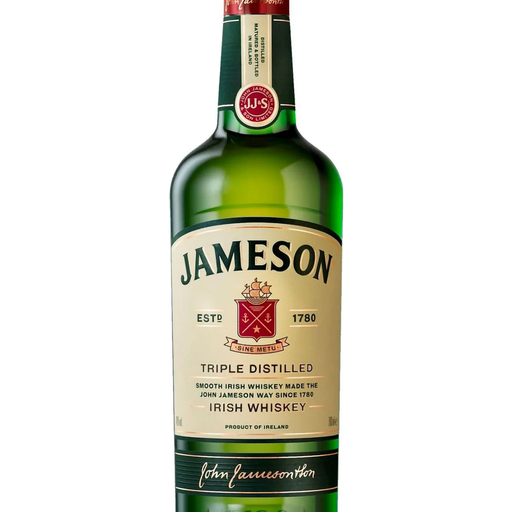
Why it suits this buyer: The 0.7-litre bottle contains 40 % vol. and can be enjoyed neat, over ice or in classic cocktails, making it a versatile choice for anyone starting out.
The product details list the volume, alcohol content, ingredients and origin, so your choice doesn’t have to be based on the bottle design alone.
0,7 l volume, 40 % vol. and a minimum ageing period of four years according to the product details.
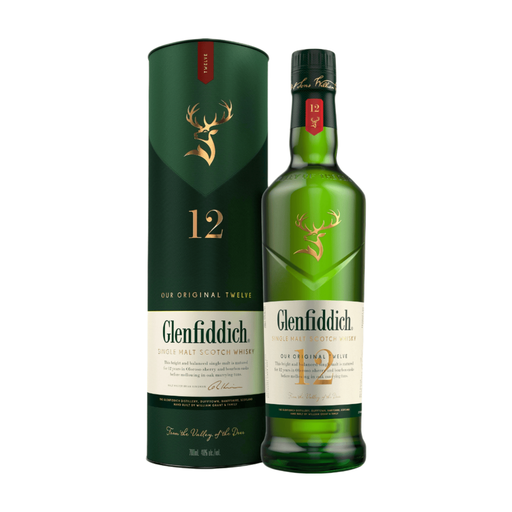
Why it suits this buyer: The Single Malt designation and stated ageing in Oloroso sherry and bourbon casks give buyers specific details to compare when considering origin and production methods.
Rather than relying on a general quality claim, buyers can check the style, the alcohol content of 40 % vol. and the listed ingredients.
Single Malt designation, 0,7 l volume, and information about sulphites and cask types.
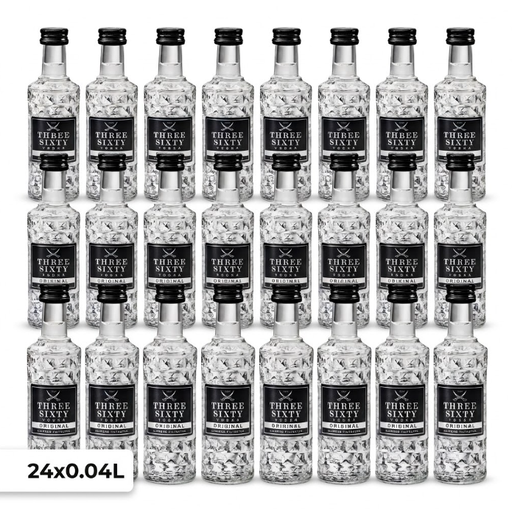
Why it suits this buyer: This multipack contains 24 miniature bottles of 40 ml each, making it suitable for tastings, small serving portions, gift sets or events.
The exact number and size of the bottles make the pack contents clear. Buyers can compare the total volume of 0,96 l directly with a standard bottle.
24 × 0,04 l, 37,5 % vol., and fourfold distillation and diamond filtration according to the product details.
Depending on the recipe or occasion, another type of drink may be a better choice than whiskey or whisky. If you want to buy vodka, consider the alcohol content, raw ingredients and serving temperature. When you buy gin, botanicals such as juniper, sage or citrus fruits are worth considering. Rum and liqueurs are also options for long drinks and cocktails.
If you want to buy cognac or brandy, compare the origin, cask ageing and bottle size. For international drinks, you can also choose to buy soju or buy shochu. Whatever the product, the ingredients list, age statement and packaging details are what matter.
We’ve put together a complete, regularly updated list of products that meet these strict selection criteria and fully comply with the safety regulations in force in the EU.
Yes, as long as the retailer follows the legal requirements and carries out an age check. In Germany, spirits cannot be sold to anyone under the age of 18. You may therefore need to provide proof of identity or age when your order is delivered.
Distilled spirits usually keep for a long time unopened, provided they’re stored upright in a cool place away from light. After opening, air, warmth and direct sunlight can affect the flavour. Liqueurs may come with shorter storage recommendations, so check the information on the label.
A 0.7-litre bottle is often a practical choice if you make cocktails regularly. For a one-off celebration or a chance to try several flavours, miniature bottles may be more suitable. Consider how much you plan to use, the price per 100 ml and the type of spirit you want. Always drink responsibly; avoid alcohol during pregnancy and while breastfeeding.