
Lieferung heute & morgen

Qualitätsgarantie

Willkommens-Angebote freischalten: KOSTENLOSE Lieferung | Bis zu 80 % RABATT | Kostenlose 30-Tage-JoyPlus-Testphase
App herunterladen
The selection of spirits available online is vast and constantly expanding. However, this diversity can quickly become overwhelming. Anyone looking to make an informed decision often faces the challenge of distinguishing between elaborate marketing and actual product quality. This guide will help you avoid common pitfalls and find a spirit that truly meets your expectations.
A frequent mistake is to be swayed by over-the-top bottle designs or vague "premium" labels, which often say more about the marketing budget than the contents. Another pitfall is buying a highly complex spirit for a purpose it's ill-suited for, such as an expensive, peaty whisky for a simple long drink. This wastes not only money but also the product's potential.
To make the right choice, it's helpful to focus on a few fundamental, objective characteristics rather than being guided by marketing promises.
Every spirit category has defined properties shaped by its raw materials and region of origin.
The alcohol by volume (ABV) is not just a number; it significantly influences texture and flavour intensity.
The quality of the base ingredients and the care taken in the production process are crucial for the final product. A vodka made from high-quality rye will taste different from one made from wheat. A brandy, distilled from wine, develops complex aromas of fruit and spices through maturation in oak casks. Look for transparent manufacturer details on the distillation method (e.g., pot still for more robust distillates or column still for lighter ones) and the duration and type of cask maturation.
Here are some recommendations based on objective characteristics that suit different needs and preferences.
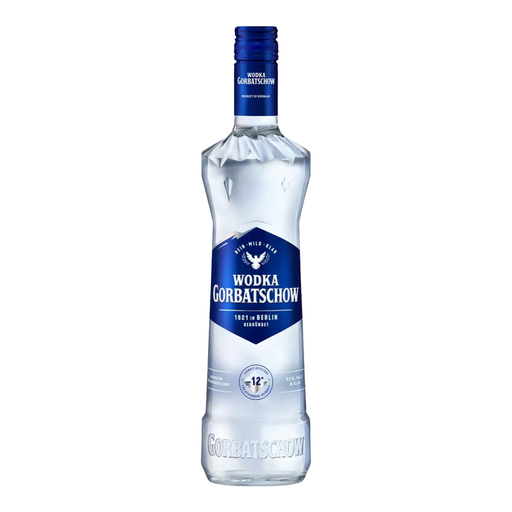
Why This Fits Their Persona: Ideal for anyone seeking a reliable and versatile base for a wide range of cocktails, from a simple Vodka Soda to more complex mixes. Its neutral character won't overpower other ingredients.
You're not paying for an overhyped brand image, but for a product whose quality is based on a verifiable production method: quadruple cold filtration.
High purity and a mild taste, thanks to its established filtration process. Made in Germany.
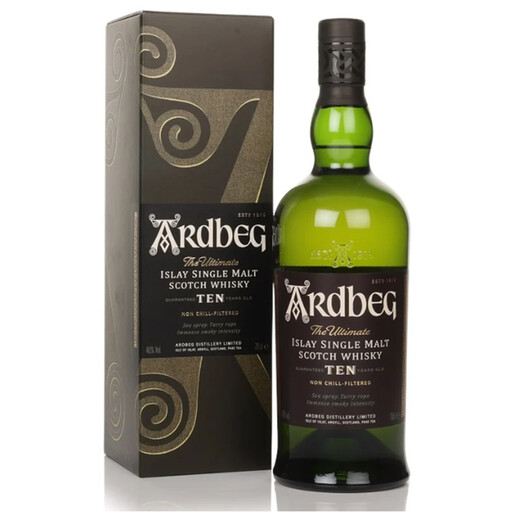
Why This Fits Their Persona: Perfect for lovers of characterful, smoky whiskies. This product offers a complex flavour profile designed to be sipped neat, reflecting the signature characteristics of its Islay origin.
Instead of vague age statements, this product offers a clear declaration of a 10-year aging period. Bottled without chill-filtration (non-chill filtered), it preserves the full range of aromas.
Classic Islay character with intense peat notes. Bottled at a robust 46% ABV for a full mouthfeel.
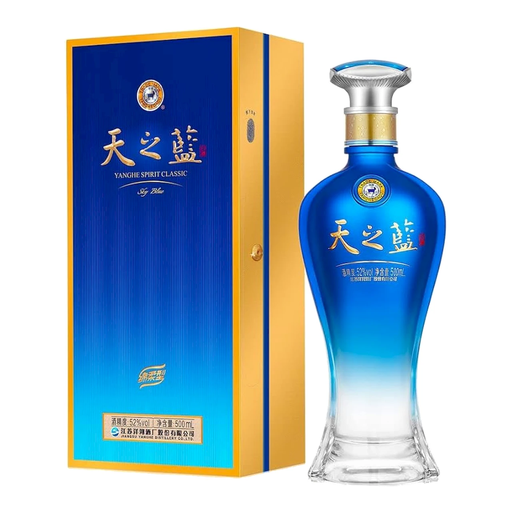
Why This Fits Their Persona: For those looking to expand their horizons and experience one of the world's most significant spirit categories. Baijiu offers a completely unique aroma profile that stands apart from Western spirits.
Instead of buying an unknown spirit blindly, this is a product from a renowned Chinese distillery (Yanghe) with clear specifications on its style (Strong-Aroma) and maturation (over six years).
Complex, fruity-floral flavour profile. Despite its high alcohol content of 52% ABV, it is smooth on the palate, a testament to its meticulous production process.
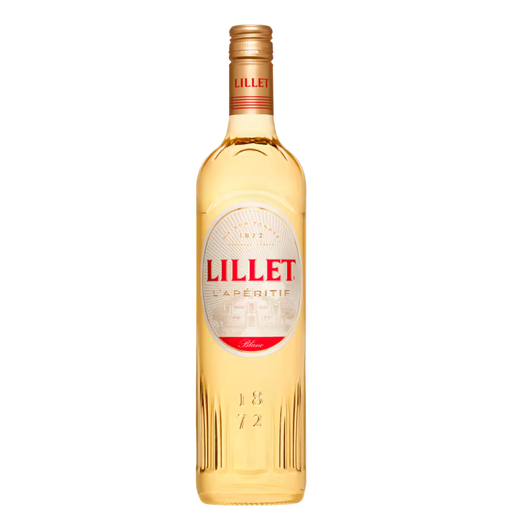
Why This Fits Their Persona: An accessible and refreshing wine-based aperitif that is perfect for welcoming guests. It's not too strong and can be easily served with tonic water as a Lillet Spritz.
Instead of choosing a heavy or polarizing spirit that might not appeal to every guest, Lillet offers a light and widely popular alternative that won't overwhelm the palate.
Light and versatile at 17% ABV. Notes of candied orange, honey, and exotic fruits. A classic from the Bordeaux region since 1872.
We have compiled a complete, up-to-date list of products that fully meet these strict selection criteria and all relevant regulations.
Most high-proof spirits (above 35% ABV) like whisky, rum, vodka, or gin have a very long shelf life after opening. Store the bottle upright in a cool, dark place to prevent excessive oxidation and flavour loss from exposure to light. Cream or dairy-based liqueurs should be refrigerated after opening and consumed within a few months. Always check the manufacturer's instructions on the label.
A good cocktail spirit should have a clear yet present character without dominating the other ingredients. For vodka, this primarily means purity and a neutral taste. For gin, rum, or whisky, the fundamental aroma profile (e.g., juniper in gin, molasses in rum) should remain discernible even in mixed drinks. An ABV of around 40% is often a good starting point, as it allows the spirit to hold its own in most drinks.
The fundamental difference lies in the raw material. Whisky is distilled from a grain mash (e.g., barley, corn, rye, wheat). Brandy, on the other hand, is distilled from wine or fermented fruit mash. Cognac and Armagnac, for example, are protected designations of origin for brandies from France. Both spirits typically mature in wooden casks, which gives them their colour and complex aromas.