
Lieferung heute & morgen

Qualitätsgarantie

Willkommens-Angebote freischalten: KOSTENLOSE Lieferung | Bis zu 80 % RABATT | Kostenlose 30-Tage-JoyPlus-Testphase
App herunterladen
The ability to buy spirits online has brought a world of flavour right to our doorsteps. From Scotch whisky and Japanese sake to Chinese baijiu, the selection is immense. But this variety also presents challenges. Vague product descriptions and exaggerated marketing promises can easily lead to a disappointing purchase. As your Joybuy Product Recommendation Officer, I'll help you identify the crucial criteria to ensure you find the exact spirit that meets your expectations.
Before you order your next bottle, you should be aware of three common issues that can lead to disappointment:
To avoid these pitfalls, focus on objective, verifiable information. Three parameters are especially important.
The base ingredient determines the fundamental character of any spirit. A clear declaration is essential.
The alcohol content is more than just a measure of strength. It influences the intensity of the flavours and the mouthfeel. A strong-aroma baijiu with 52% ABV is intended for sipping neat in small quantities, while a liqueur with 15% ABV or a makgeolli with 6% ABV is suitable for lighter drinks or as an aperitif. Check this value to better gauge the expected intensity.
A transparent list of all ingredients and potential allergens is a hallmark of quality. Look for information on:
Here are a few recommendations from our range, tailored to different preferences and occasions.
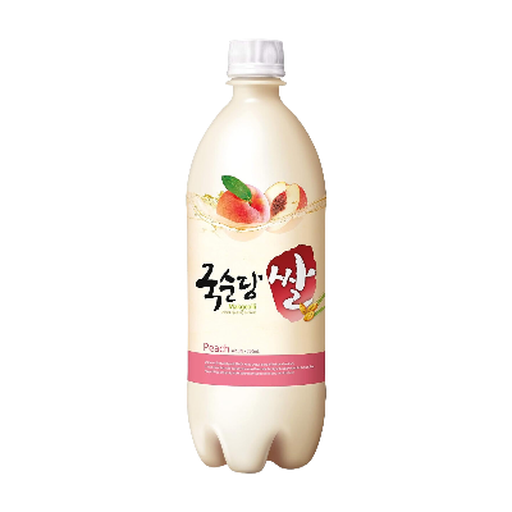
Why This Fits Their Persona: Ideal for anyone looking for a straightforward and gentle introduction to the world of Asian spirits. The fruity peach flavour and low alcohol content make it very approachable.
This product avoids the trap of unclear flavour profiles. The "Peach" designation and the ingredient list, which includes peach extract, clearly define the taste. The low alcohol content of 3% ABV prevents an unexpectedly strong effect.
Light, sparkling, and refreshing. Can be enjoyed chilled on its own or as an alternative to sparkling wine. A clear country of origin (South Korea) ensures authenticity.
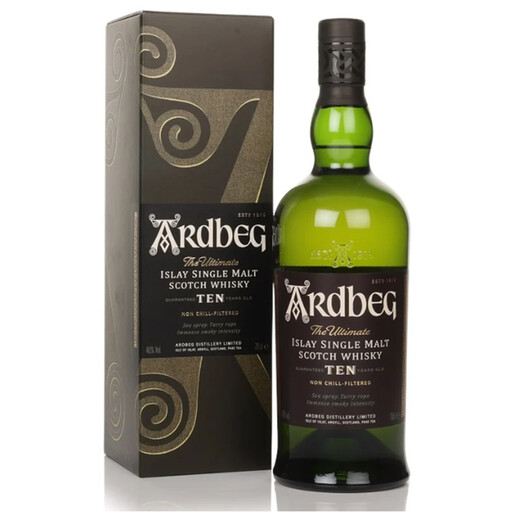
Why This Fits Their Persona: Perfect for lovers of bold, smoky Scotch whisky. This 10-year-old Islay Single Malt is a renowned classic for those seeking an intense and complex tasting experience.
The product description is precise and avoids vague terms. Aromas like “heavy peat notes,” “tobacco,” and “espresso” set clear expectations, avoiding the “smooth whisky” trap. Its origin is protected as an Islay Single Malt Scotch Whisky.
Being non-chill filtered preserves the natural oils, providing a fuller mouthfeel. The 10-year maturation in ex-Bourbon casks is a clear hallmark of quality.
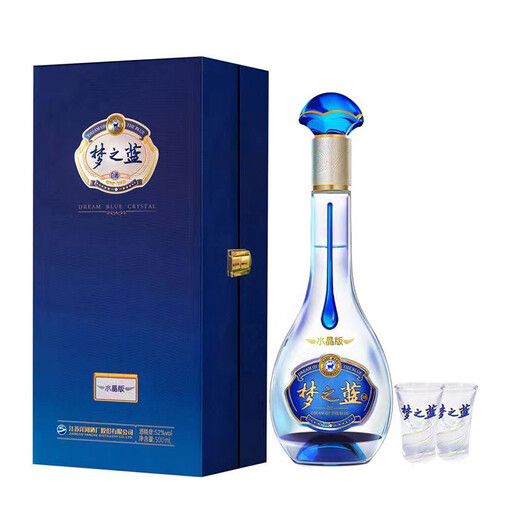
Why This Fits Their Persona: For connoisseurs seeking a high-quality and refined Baijiu. This product represents the modern, smooth “Mianrou” style and offers a complex alternative to standard Baijius.
This product escapes the trap of generalising Baijiu. Detailed tasting notes (peach, lychee, jasmine) and its classification as “Mianrou” (soft and mellow) distinguish it from harsher varieties. The ingredient list, including wheat and barley, is clearly declared.
Offers an exceptionally smooth and balanced flavour profile despite its high 52% ABV. The elegant bottle and premium positioning also make it an excellent gift idea.
We've compiled a full, up-to-date list of products that fully meet these strict selection criteria and EU regulations.
Look for objective criteria that go beyond flowery marketing language. These include a clear indication of the country and region of origin, a detailed list of raw materials (e.g., "sorghum, rice, wheat"), information on maturation (e.g., "10 years in oak casks"), and the production process (e.g., "quadruple distilled"). Transparent information is often a sign of a high-quality product.
These three Asian spirits differ fundamentally in their origin and production:
Most high-proof spirits like whisky, vodka, rum, or baijiu have a very long shelf life after opening. Store the bottle upright in a cool, dark place to minimise changes in taste from light and heat. Liqueurs, especially those with cream or a low alcohol content, have a shorter shelf life and should often be refrigerated after opening and consumed promptly. Always follow the instructions on the label.