
Lieferung heute & morgen

Qualitätsgarantie

Willkommens-Angebote freischalten: KOSTENLOSE Lieferung | Bis zu 80 % RABATT | Kostenlose 30-Tage-JoyPlus-Testphase
App herunterladen
Anyone looking to buy spirits online will find a wide selection of gin, whisky, brandy, liqueur and gift sets. However, product pages can vary considerably in terms of alcohol content, bottle size, origin, ingredients and intended use. An eye-catching label or the term “premium spirits” alone says little about whether a bottle suits your personal taste, cocktails or gifting needs.
This buying guide from the Joybuy Product Recommendation Officer helps you compare offers objectively and avoid common purchasing mistakes.
A single 0.7-litre bottle cannot be compared directly with a set of twelve miniature bottles. Even with a gin and tonic set, the amount of tonic included can affect the overall value. Before buying, you should check:
With miniature spirits bottles, portioning is often the main focus. These sets are ideal for tastings, small gifts or a carefully measured selection, but offer less volume per bottle.
Phrases such as “handcrafted”, “smooth” or “award-winning” are not always enough to assess a flavour profile. More meaningful details include specific information such as London Dry Gin, the botanical selection, cask maturation, age statement or whisky category.
A London Dry Gin is not automatically defined by a particular brand, bottle shape or colour. Buyers should pay attention to the botanicals, alcohol content and origin. Anyone looking to buy gin online can use these details to distinguish classic juniper notes from fruitier or more herbaceous variations.
Scotch whisky comes from Scotland and is subject to specific regulations. A Scotch whisky may be offered as Blended Scotch Whisky or Single Malt Scotch Whisky. Bourbon whiskey, on the other hand, is produced in the United States and is based on a corn-heavy mash bill. Brandy is made from agricultural distillates and is often matured in wooden casks.
The designation alone does not determine whether a product is right for a particular occasion. Cocktails call for different characteristics than neat drinking or formal gifting.
The alcohol content should match the intended use. The selection may include gin at 37.5 to 43.1% ABV, whisky at 40% ABV and brandy at 30% ABV. For a gin and tonic, the spirit is diluted with tonic water and ice. Whisky can be served neat, over ice, as a highball or in cocktails.
For parties, a set with additional tonic or several miniatures may be more practical. For a slower, more considered drinking experience, a single 0.7-litre bottle is generally the better choice.
For gin, botanicals provide a useful point of reference:
For whisky, age, cask type and category are important. A single malt such as The Glenlivet 18 Year Old is described differently from a Blended Scotch Whisky. With bourbon whiskey, it is worth checking the grain base, cask maturation and any added colouring, where stated.
Unopened spirits should be stored upright in a cool, dry place away from direct sunlight. Once opened, a tightly sealed closure is essential. The product label remains the authoritative source for all legally binding information.
In Germany, alcoholic beverages of this kind may only be sold to people aged 18 or over. Alcohol is not suitable for children, teenagers or pregnant women. Allergens should be checked against the product description and packaging. Individual details may vary depending on the bottling or market.
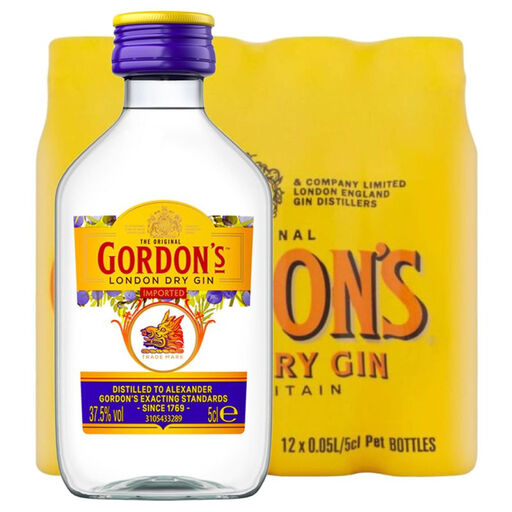
Why this profile works: Twelve 50-millilitre bottles are ideal for discovering the style, creating small gift sets or keeping cocktail portions under control.
The individual serving sizes and total volume of 600 millilitres are easier to assess than an imprecise set description.
London Dry Gin at 37.5% ABV with notes of juniper, coriander, angelica and liquorice.
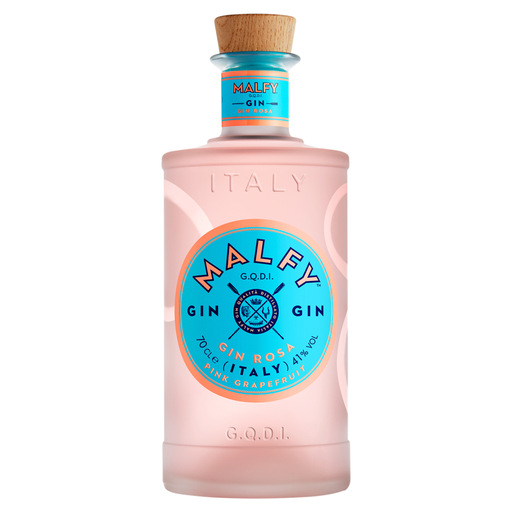
Why this profile works: This Italian gin combines pink grapefruit peel with juniper, rhubarb and citrus herbs.
The flavour profile is defined through specific ingredients rather than colour descriptions or broad marketing claims alone.
0.7 litres, 41% ABV and, according to the product details, suitable for tonic, spritzes and summery cocktails.
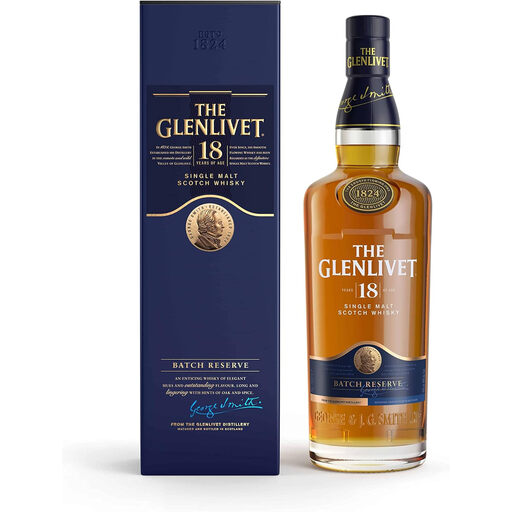
Why this profile works: The stated 18-year maturation period and classification as a Single Malt Scotch Whisky provide clear reference points for drinking neat.
Age, category, bottle volume and maturation are clearly stated, replacing vague claims about quality.
0.7 litres, 40% ABV, with described notes of wood, pear, vanilla, malt and a light smokiness.
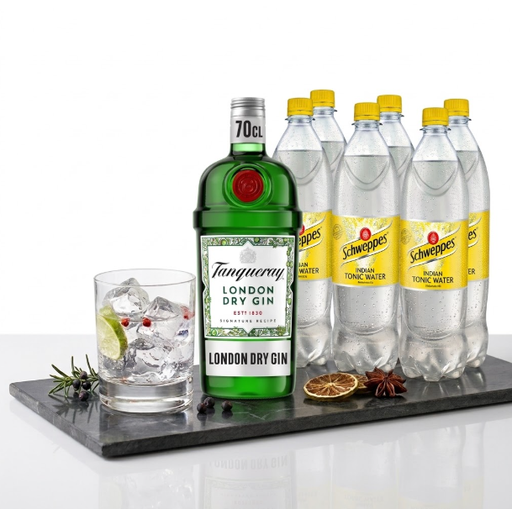
Why this profile works: The set combines 0.7 litres of gin with six 1.25-litre bottles of tonic water, making it suitable for multiple long drinks.
The contents list the spirit and mixer separately, making it possible to verify the actual scope of the set before buying.
Tanqueray London Dry Gin at 43.1% ABV with four specified botanicals: juniper, coriander, angelica and liquorice.
Explore the full selection of spirits across different categories, bottle sizes and flavour profiles for responsible alcohol consumption.
Anyone looking to buy whisky online can choose between Blended Scotch Whisky, Single Malt and Bourbon Whiskey. Buffalo Trace Kentucky Straight Bourbon Whiskey is described as having 40% ABV and a stated maturation period of seven years. Johnnie Walker Red Label and Ballantine’s Finest, by contrast, belong to the Blended Scotch Whisky category.
For a softer, sweeter occasion, a liqueur such as Disaronno Originale at 28% ABV may be worth considering. The product description mentions almond and marzipan notes, as well as nuts in the allergen information. Brandy enthusiasts may prefer Osborne 103 Solera Spirit, a Spanish variation at 30% ABV matured in American oak casks previously used for sherry.
Yes. In Germany, spirits may only be sold and supplied to people aged 18 or over. Retailers may require an age check at the time of ordering or delivery. Alcohol should be consumed responsibly and avoided during pregnancy, with certain medical conditions or alongside incompatible medication.
Distilled spirits generally do not spoil quickly when stored correctly. However, their flavour and aroma may change after opening. Store the bottle upright, keep it tightly sealed and protect it from heat, light and strong odours. The information on the relevant label is authoritative.
A set such as a gin and tonic set already includes a suitable mixer and can be practical for preparing several long drinks. A single bottle, on the other hand, gives you greater freedom when choosing tonic water, garnish and recipes. The deciding factors are total volume, alcohol content, preferred flavour profile and the intended occasion.