
Lieferung heute & morgen

Qualitätsgarantie

Willkommens-Angebote freischalten: KOSTENLOSE Lieferung | Bis zu 80 % RABATT | Kostenlose 30-Tage-JoyPlus-Testphase
App herunterladen
Anyone looking to buy sports nutrition online will find a wide range of whey protein, creatine powder, protein bars, pre-workout boosters, electrolytes and energy drinks. Product pages often look similar, but can differ considerably in their nutritional values, serving sizes, ingredients and recommended use.
As a Joybuy Product Recommendation Officer, I provide an objective overview of the most important buying criteria. This makes it easier to assess which product suits your training goals, diet and everyday routine.
A high percentage shown on the front of the pack does not automatically mean that each serving contains a particularly large amount of protein. The key factors are:
For example, a product may show a high protein content per 100 g, while the recommended serving is considerably smaller. Always compare like with like.
Protein bars and powders often contain sweeteners or sugar substitutes. ‘No added sugar’ initially only means that no additional household sugar has been added. Check the nutritional table for:
Particularly with protein bars, a low sugar content may go hand in hand with a relatively high fat or calorie content.
For creatine monohydrate, pre-workout products and energy drinks, specific quantities should be more important than advertising claims. According to an authorised EU nutrition claim, creatine can increase physical performance during successive bursts of short-term, high-intensity exercise when consumed daily at a dose of 3 g. This is not a blanket claim about muscle growth or muscle recovery.
For products containing caffeine, the caffeine content, serving size and your personal tolerance all matter. A pre-workout booster containing 130 mg of caffeine per serving should not be combined uncritically with additional energy drinks.
In whey protein, whey isolate, whey concentrate and hydrolysed whey are different protein sources. In many formulations, isolate has a higher protein content and fewer additional components, while concentrates may contain more fat, carbohydrates or lactose, depending on the product.
Pay attention to:
According to the product information, Optimum Nutrition Gold Standard 100% Whey provides 24 g of protein and 113 kcal per 30-g serving. The formulation contains whey isolate, concentrate and hydrolysed whey; milk and soya are listed as allergens.
With creatine powder, the amount of active creatine per daily serving should be clearly stated. A flavoured product may also contain acidity regulators, flavourings and sweeteners. Unflavoured creatine monohydrate, on the other hand, can be combined flexibly with water or a protein shake.
For example, according to the product data, Optimum Nutrition Micronised Creatine Powder provides 3 g of creatine per 3.4-g serving. The flavoured product from Optimum Nutrition also contains 3 g of creatine, but its serving size is 4.5 g. This difference is relevant when comparing the price per serving.
With protein bars, it is not just the protein content that matters. Also check the serving weight, calories, fat, sugar and sweeteners. According to the product information, the Maxi Nutrition Muesli Nut Butter Protein Wafer Bar contains 9.7 g of protein per 39-g bar. The Premier Protein High Protein Bar contains 50% protein, but includes milk, soya and collagen protein, among other ingredients.
Electrolytes are not automatically necessary for every workout. During longer or particularly sweaty exercise, sodium, potassium, magnesium and fluids may be relevant to your individual nutrition plan. According to the product description, sanotact Electrolytes Plus contains glucose as well as sodium, potassium, magnesium and chloride.
An energy drink should be distinguished from an isotonic sports drink: Red Bull, for example, contains caffeine and sugar, while Powerade Blackcurrant is offered in the stated variant without sugar and with sodium and vitamin B6. The respective ingredient and nutritional tables are decisive.
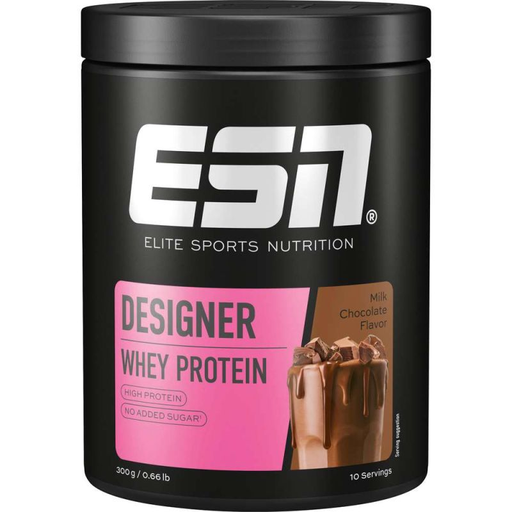
Why this product suits the profile: The 300-g pack is suitable for people who want to start using whey protein in manageable quantities in shakes, porridge or recipes. According to the product information, a 100-g serving contains 76 g of protein.
The nutritional information gives the protein, sugar, carbohydrate and calorie content per 100 g. This makes it easier to compare the formulation with other protein powders.
Whey concentrate and whey isolate; according to the product information, it can be mixed with water, milk or plant-based drinks.
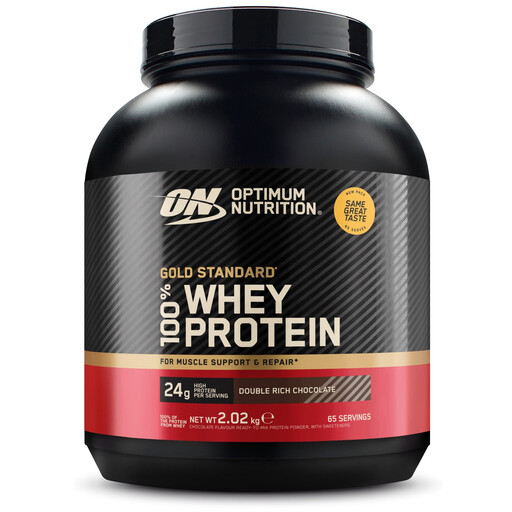
Why this product suits the profile: The large pack is designed for regular users who prefer a defined serving size and a stated whey blend made from isolate, concentrate and hydrolysed whey.
The product data states 24 g of protein and 113 kcal per 30-g serving. This makes it easier to plan your daily protein intake.
24 g of protein per serving; according to the product information, 1.0 g of sugar per serving and whey isolate as the main ingredient.
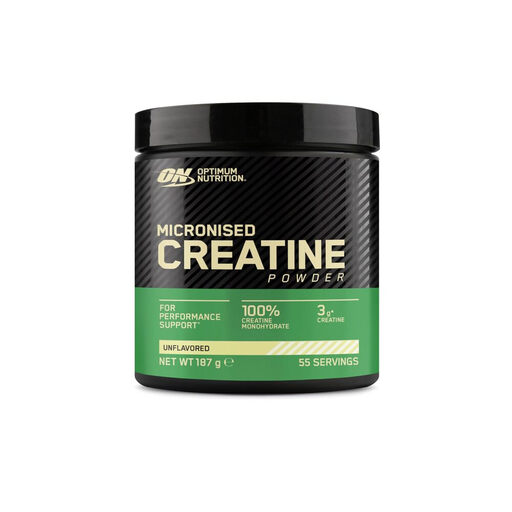
Why this product suits the profile: The unflavoured creatine monohydrate is suitable for adults who want to combine their supplement routine flexibly with water, whey protein or a recovery drink.
The product description states 3 g of creatine per 3.4-g serving and lists creatine monohydrate as the only ingredient.
Unflavoured powder; according to the product information, approximately 55 servings and no declared allergens in the ingredients list.
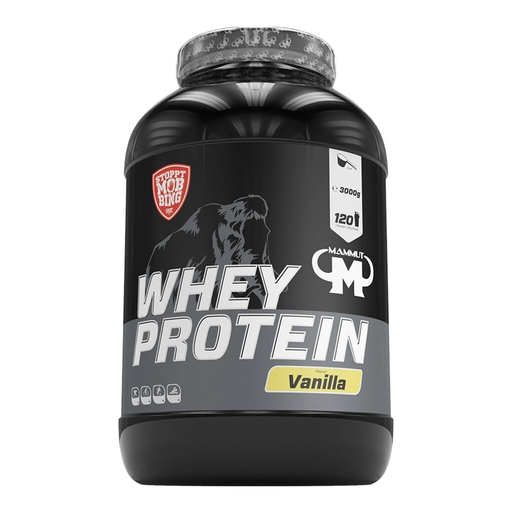
Why this product suits the profile: The 3 kg tub is aimed at frequent users who regularly prepare protein shakes and prefer a larger supply pack with a measuring scoop.
The information states 25 g of powder per serving, storage below 25 °C and specific instructions for use after opening.
Large pack; according to the product information, 27 g of protein per serving with milk, plus a practical measuring scoop.
We have put together a complete, regularly updated list of products that fully meet these strict selection criteria and the safety regulations applicable in the EU.
Before placing your order, tick off these points:
Food supplements for athletes are not a substitute for a varied diet. If you have allergies or a medical condition, take medication, or are pregnant or breastfeeding, consult a healthcare professional before use. Depending on the product, specific restrictions may apply to minors.
This depends on the product, packaging and storage conditions. Protein powder should be stored in a dry, cool place away from light and kept tightly sealed. The best-before date and instructions on the individual packaging are the key points to follow. Moisture, heat and an unclean measuring scoop can affect product quality.
Do not compare the pack price alone. Divide the price by the actual number of servings and take into account the stated amount of protein or creatine per serving. With protein bars, you should also consider the bar weight. Larger packs can reduce the price per serving, but only make sense if you already know that the flavour and tolerance suit you.
Energy drinks often contain caffeine and sugar and should not be equated with an isotonic sports drink. Check the caffeine content, sugar and serving size. The caffeine quantity stated in the product information should also be included in your total daily intake. Specific warnings apply to children and to pregnant or breastfeeding people.