
Lieferung heute & morgen

Qualitätsgarantie

Willkommens-Angebote freischalten: KOSTENLOSE Lieferung | Bis zu 80 % RABATT | Kostenlose 30-Tage-JoyPlus-Testphase
App herunterladen
Anyone looking to buy sports nutrition will quickly find a wide range of protein powders, mass gainers, amino acids and vitamin supplements. Product descriptions often list numerous active ingredients and high quantities. However, making a sensible purchasing decision is not about the length of the ingredients list, but about the specific benefits for your everyday life.
Three common purchasing mistakes occur particularly often:
With a classic whey protein, the ingredients list should show whether the product mainly contains whey protein concentrate, whey isolate or a blend. A high protein content per 100 g makes it easier to compare different packs. The actual recommended serving size is also important.
According to the product information, Mammut Nutrition Whey Protein Chocolate provides 27 g of protein per serving when 25 g of powder is prepared with 300 ml of semi-skimmed milk. The milk itself contributes to the nutrient content. For a fair comparison, you should therefore check whether the nutritional values refer to the powder alone or to the prepared protein shake.
A multi-component product such as Mammut Nutrition Formula 90 combines soya, milk, whey and egg protein, among other ingredients. This may appeal to users who prefer different protein sources in one powder. At the same time, allergens such as milk, lactose, soya and egg must be taken into account.
A mass gainer or weight gainer is not simply a more highly dosed protein powder. These products also contain large amounts of carbohydrates and therefore provide considerably more energy per serving. Depending on the variant, Optimum Nutrition Serious Mass is listed as providing around 1,250 to 1,268 kcal, approximately 50 g of protein and more than 250 g of carbohydrates per serving.
A full serving may contain more than 300 g of powder. For beginners, it is therefore important not to automatically use the full recommended amount. The product information for several Serious Mass variants recommends starting with half a serving. Whether a gainer is suitable depends on your individual energy requirements, normal diet and training volume.
If you simply want to supplement your daily protein intake, you will generally not need a high-calorie gainer product. For building muscle and increasing muscle mass, your overall diet is the decisive factor; powder is no substitute for regular meals or structured training.
A post-workout supplement should fit into your daily routine. Whey powder is usually mixed with water or milk and can be used after training or as a protein-rich snack. Amino acids such as BCAA, L-arginine, beta-alanine and glutamine each have their own dosage instructions. A longer ingredients list does not automatically mean that several products are needed at the same time.
The information on the packaging also applies to food supplements. Pay attention to:
If you have a medical condition, take medication or are unsure about the dosage, seek medical advice before consuming the product. Food supplements are not a substitute for a varied diet and a healthy lifestyle.
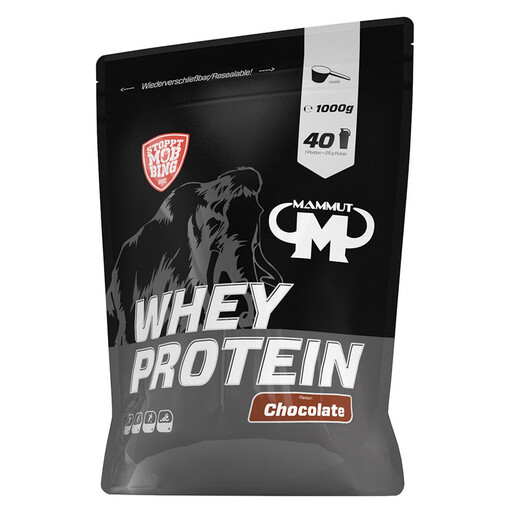
Why this product suits the profile: The 1 kg pack is a manageable size and is suitable for people who want to introduce a protein shake into their daily routine.
The smaller pack reduces the risk of leaving a large quantity of an untested flavour unused.
According to the product information, 27 g of protein per serving, with a measuring scoop and preparation with water or milk.
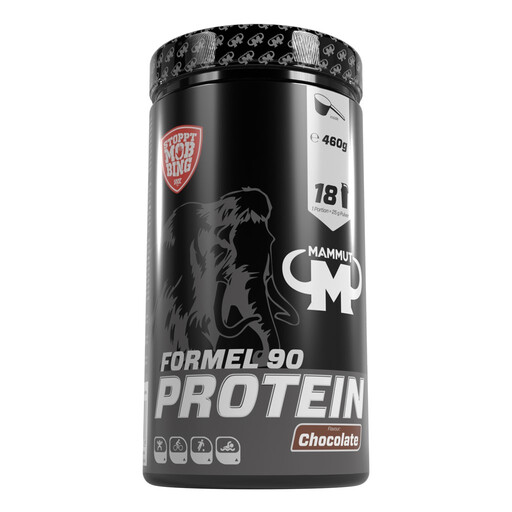
Why this product suits the profile: The combination of several protein sources is aimed at users who prefer a range of protein sources in the formulation.
The ingredients list explicitly names the individual protein sources, making it easier to check the product before buying.
According to the product information, 29 g of protein per serving and vitamin B6; suitable for vegetarian diets.
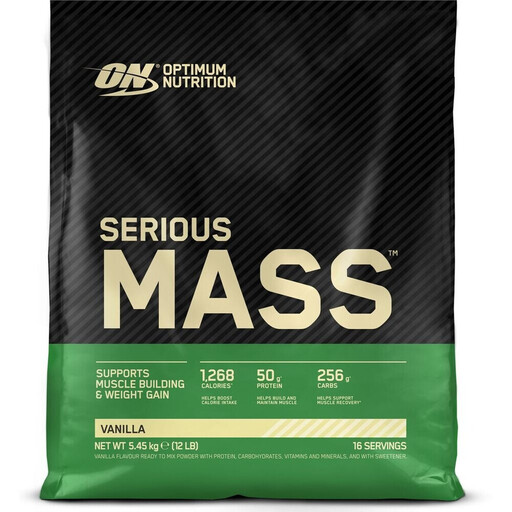
Why this product suits the profile: The large pack is aimed at adults with regular calorie and protein requirements, for example during planned weight gain.
Nutritional values are provided per 100 g and per 334-g serving. This makes it easier to plan the actual calorie content as part of your diet.
According to the product information, 50 g of protein, 256 g of carbohydrates and 3 g of creatine monohydrate per serving.
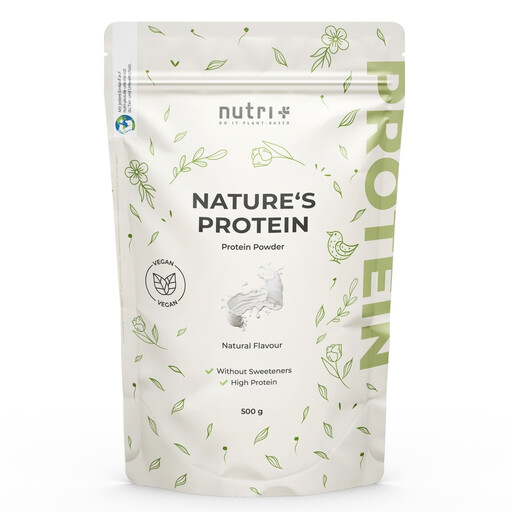
Why this product suits the profile: The powder combines soya, pea and rice protein and is intended for people looking for a plant-based protein source without sweeteners.
The plant-based protein sources are clearly listed. According to the product information, the natural version contains no sweeteners.
According to the product information, 25 g of protein per 30-g serving, prepared with 300 ml of liquid.
We have put together a complete, regularly updated list of products that fully meet these strict selection criteria and the safety regulations applicable in the EU.
The specific best-before date and the manufacturer’s information on the packaging are decisive. Opened powder should generally be stored in a dry, cool, dark place and kept tightly sealed. Moisture can affect its consistency and how easily it can be prepared. Always use a dry measuring scoop and check the smell, appearance and printed date.
The ongoing cost depends on the pack price, serving size and liquid used. With a shake containing 25 g of powder, you can divide the price of the powder by the number of servings. Milk increases the cost and calorie content compared with water. With a mass gainer, you must also take the considerably larger serving into account. A low price per kilogram therefore does not automatically mean low cost per use.
That depends on your personal goal, diet and training plan. Whey protein naturally contains amino acids, including BCAA. Creatine, L-arginine, beta-alanine and glutamine are separate products, each with their own dosage and safety instructions. Before combining products, check the ingredients lists and daily amounts. If you take medication or have health problems, it is advisable to consult a doctor.