
当日/次日达

品质保障

开启新人专享福利: 全场免邮 | 低至 2 折 | 免费试用 30 天 JoyPlus 会员
下载 Joybuy
If you want to buy still mineral water, you will find a wide range of brands, bottle sizes and pack options online. However, your decision should not be based solely on the design, images of the source or advertising claims. For everyday use, the most important factors are mineral content, bottle format, pack size, storage and how you intend to use it.
A six-bottle offer may look substantial at first glance. However, the total volume is what matters: 6 x 1.5 l equals 9 l, whereas a six-pack of 1-litre bottles contains only 6 l. For families or an office, the price per litre is therefore more informative than the pack price alone.
A multipack of still water can also become impractical if the bottles are too heavy for the intended storage location. A six-pack of 1.5-litre bottles weighs around 9 kg without the packaging. Smaller formats such as 0.5 l, 0.75 l or 1 l are easier to distribute and carry.
Natural mineral water comes from an officially recognised source and is bottled directly at the source. Its mineral composition varies depending on its origin. Water from volcanic regions may have different values from lightly mineralised water from a German source.
If you are looking for low-mineral water, check the analysis values on the label. Sodium, calcium, magnesium, sulphate and hydrogencarbonate are particularly relevant. The term “natural” does not automatically indicate a low mineral content.
Not every still mineral water is automatically suitable for preparing infant formula. Look for an explicit statement from the manufacturer or the relevant information on the packaging. Even with products marketed as suitable, you should check the latest details before buying.
For a low-sodium diet, low-sodium mineral water may be worth considering. The specific assessment should be based on the stated sodium value in milligrams per litre. VILSA Naturelle, for example, states 16.4 mg of sodium per litre. This figure is more meaningful than general claims about a “mild” taste.
Calcium and magnesium also affect the mineral content. Evian states 80 mg of calcium and 26 mg of magnesium per litre for its 1.5-litre version. Values may vary between product variants, so the relevant product page or label is the deciding source.
After opening, still water should be kept cool and preferably sealed. Several product descriptions recommend consuming opened bottles within two to three days. The exact period stated on the packaging applies.
The origin may be relevant to taste, mineral content and delivery distance. According to the product information, Volvic comes from the French Auvergne, while Evian comes from the French Alps. VILSA and Adelholzener are described as coming from sources in Germany. An origin far from home is not automatically a sign of quality, nor is it automatically a disadvantage. It should be considered alongside the price, quantity and your personal preference.
When it comes to packaging, it is worth checking the material and deposit. For the Volvic variant, the bottle is stated to be made from 100% recycled material, excluding the cap and label. Other PET products, for example, show a specified deposit amount. It is therefore worth checking the product details before completing your order.
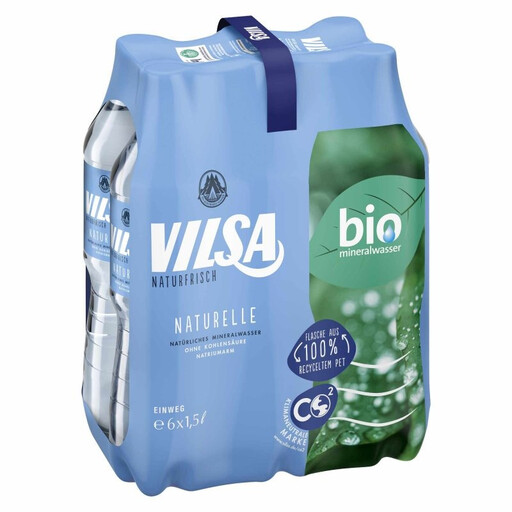
Why this product suits this profile: The 9-litre pack is ideal for keeping a basic supply at home and provides a clearly stated mineral composition.
The quantity is stated clearly as 6 x 1.5 l, rather than being conveyed only by the number of bottles. The sodium value of 16.4 mg/l makes an objective comparison easier.
9 l total volume, German origin according to the product information and a low stated sodium content.
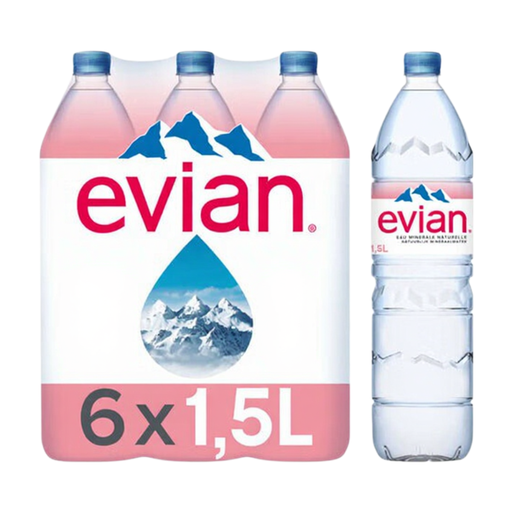
Why this product suits this profile: The product description states that it comes from the French Alps and provides specific calcium and magnesium values.
The assessment is based on the stated mineral data, rather than on the term “premium mineral water” alone.
6 x 1.5 l, origin stated as France, and declared values of 80 mg of calcium and 26 mg of magnesium per litre.
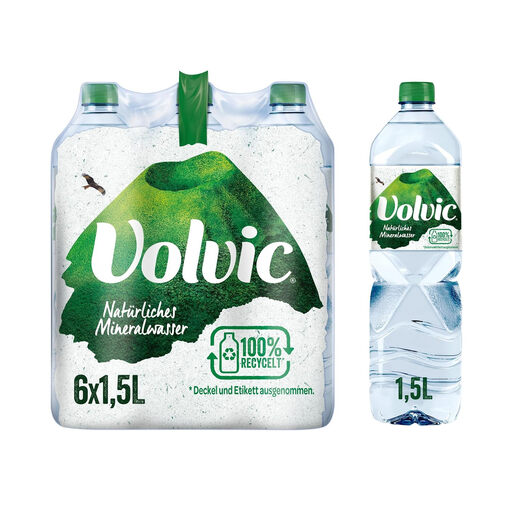
Why this product suits this profile: The large multipack is suitable for family households; according to the product information, the water is suitable for preparing baby food.
Its suitability is not inferred merely from the word “still”; it is expressly stated in the product information. The current packaging label remains the decisive source.
9 l total volume, still water and bottles made from 100% recycled material excluding the cap and label, according to the product information.
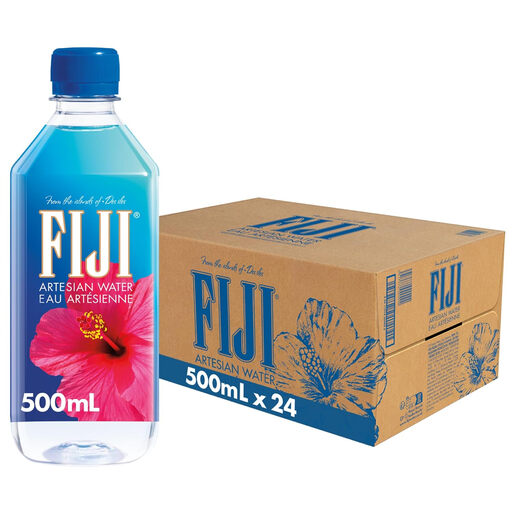
Why this product suits this profile: The 24-pack of 0.5-litre PET bottles is practical for offices, travel and handing out individual bottles.
The smaller bottle size reduces the weight per unit. At the same time, you should compare the price per litre with larger multipacks before buying.
24 individual 0.5-litre PET bottles and bottle material stated as BPA-free in the product description.
We have put together a complete, regularly updated list of products that fully meet these strict selection criteria and the safety regulations applicable in the EU.
Only products with an explicit statement from the manufacturer or the relevant labelling should be used for this purpose. In the product information available here, Volvic is described as suitable for baby food. Nevertheless, check the current packaging before each use and follow the manufacturer’s recommendations.
Opened bottles should be sealed and stored in a cool place away from light. Several product descriptions recommend consuming them within two to three days. Taste, smell and the specific manufacturer’s guidance should also be taken into account.
This can only be assessed by looking at the price per litre. Divide the total price by the number of litres included, taking into account any deposit and delivery costs where applicable. For regular use at home or in the office, a six-pack of 1.5-litre bottles may make logistical sense; smaller bottles are more convenient when you are out and about.