
Lieferung heute & morgen

Qualitätsgarantie

Willkommens-Angebote freischalten: KOSTENLOSE Lieferung | Bis zu 80 % RABATT | Kostenlose 30-Tage-JoyPlus-Testphase
App herunterladen
Anyone who loves to bake or make jam knows that not all sugar is the same. However, the selection on the shelf can quickly become overwhelming: powdered sugar, jam sugar, caster sugar, or brown sugar—each type has its own specific properties and purpose. The wrong choice can significantly impact the outcome of a recipe.
This guide is designed to provide clarity. We will introduce various types of sugar and explain which is best suited for each culinary project. This will help you confidently buy the right sugar to create cakes, desserts, and jams that turn out exactly as you envision.
Before you make a decision, the following points will help you find the perfect sugar for your recipe.
The most important factor is the intended use. Each type of sugar is optimised for a specific application:
The size of the sugar crystals affects how quickly the sugar dissolves in liquids or batters. Caster sugar dissolves much faster than standard granulated sugar, which is an advantage in delicate recipes like mousse or parfait, as no gritty crystals are left behind. Powdered sugar dissolves almost instantly due to its extremely fine particles, making it indispensable for smooth glazes.
White sugar (refined sugar) is highly purified and has a neutral taste, which means it won't overpower the flavours of other ingredients. Brown sugar is less refined and retains some molasses, giving it colour and a distinct aroma. For jam sugar, the ratio is crucial (e.g., 1:1, 2:1, 3:1), indicating how much fruit is used per part of sugar. Always follow your recipe's instructions.
Here is a selection of sugars suitable for various applications in the kitchen.
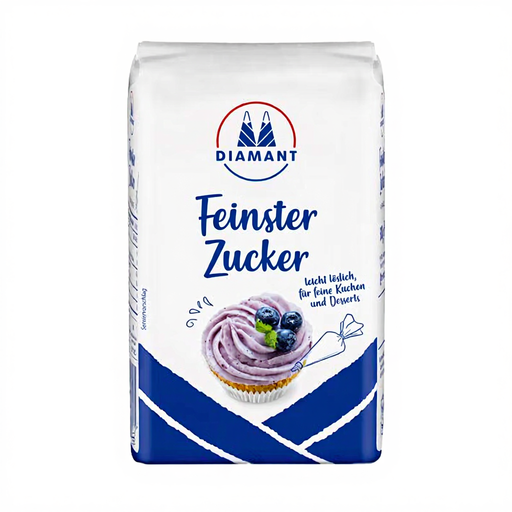
Why it stands out: This sugar is distinguished by its extra-fine crystals. This property allows it to dissolve exceptionally quickly and evenly, ensuring a smooth consistency without any gritty texture when preparing delicate batters and creams.
Advantages:
Who it's for: For home bakers who value a fine, uniform texture in their creations. Especially suitable for light cakes, delicate pastries, creams, and cold desserts.
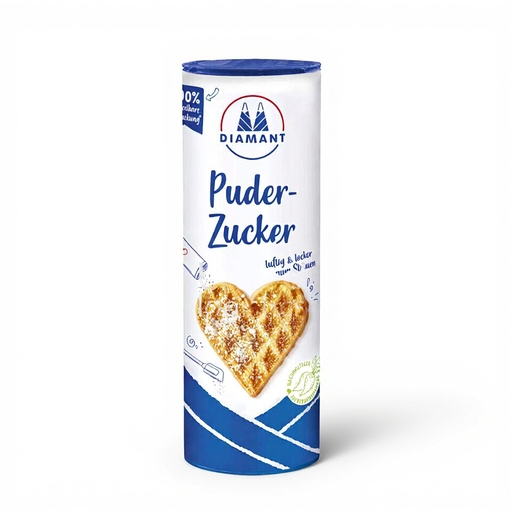
Why it stands out: The convenient shaker container is the key advantage of this powdered sugar. It protects the contents from moisture, prevents clumping, and allows for even dusting of cakes and pastries directly from the package.
Advantages:
Who it's for: For anyone who bakes regularly and wants to finish their creations with a fine layer of sugar or create smooth glazes. The resealable container is particularly practical for occasional use.
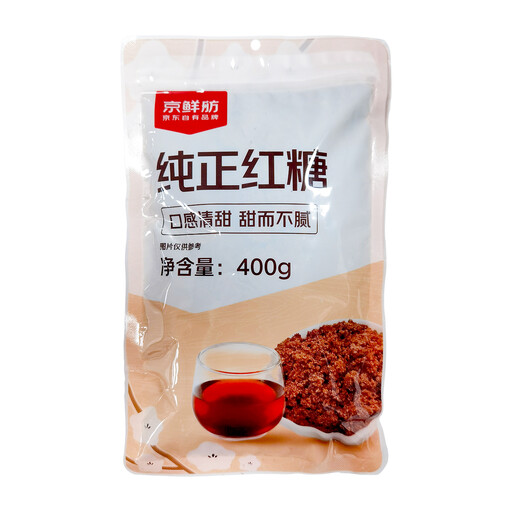
Why it stands out: This Brown Sugar is an unrefined product that retains its natural molasses. This gives it a distinct caramel note and a reddish-brown colour that sets it apart from conventional white sugar.
Advantages:
Who it's for: For users seeking a sweetener with a distinctive, rich flavour profile. Perfect for preparing beverages, desserts, and savoury dishes that require a caramel-like depth.
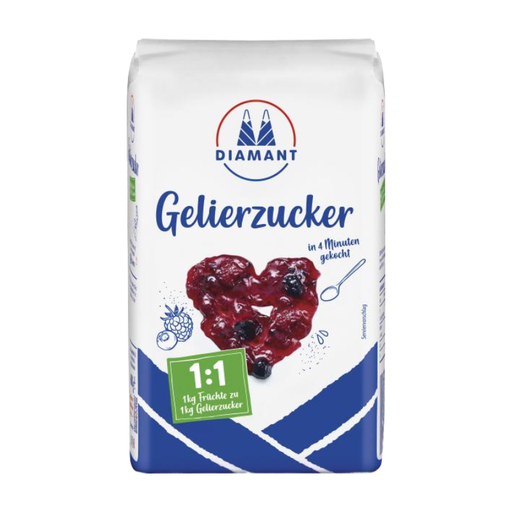
Why it stands out: The Diamant SugarJam Sugar 1:1 is the classic choice for making jams, preserves, and jellies. The ratio of one kilogram of fruit to one kilogram of sugar is easy to remember and yields fruity, sweet results with a long shelf life.
Advantages:
Who it's for: For anyone looking to turn fruit from their garden or the market into traditional jam or preserves. Ideal for beginners and experienced cooks alike who want a trusted product for preserving.
The products featured here cover a wide range of applications. However, if you are looking for other specialty sugars or different package sizes, you will find a broader selection in our category.
Explore our full range of Fine Sugar and other sugar varieties here.
The main difference is the crystal size. Caster sugar has smaller crystals than conventional granulated sugar (table sugar). This allows it to dissolve faster and more evenly in liquids and batters, making it particularly suitable for fine baked goods like sponge cakes, soufflés, or creams where a smooth texture without any grittiness is desired.
No, for making jam or jelly, you cannot simply replace jam sugar with regular sugar. Jam sugar contains gelling agents (like pectin) and an acidifier (like citric acid) in addition to sugar. These ingredients are necessary for the fruit mixture to set as it cools. Without them, the result would remain liquid.
Brown sugar is used for its special flavour, which comes from the molasses it contains. It gives food a moist texture and a caramel-like, slightly malty note. It is very well suited for American-style cookies, brownies, spiced cakes (e.g., with ginger or carrot), marinades for meat, sweetening coffee or tea, and preparing sauces.