
Lieferung heute & morgen

Qualitätsgarantie

Willkommens-Angebote freischalten: KOSTENLOSE Lieferung | Bis zu 80 % RABATT | Kostenlose 30-Tage-JoyPlus-Testphase
App herunterladen
The supplement market can be overwhelming. Countless products promise to support energy, sleep, or the immune system, but not all of them deliver on what their elaborate marketing suggests. Those looking to specifically buy supplements often face the challenge of distinguishing between effective formulas and pure marketing promises. This guide will help you recognise the crucial quality markers and avoid common purchasing traps.
As a Joybuy Product Recommendation Officer, my job is to filter market information and provide you with objective, practical advice.
Before you order vitamins online or add a specific mineral supplement to your cart, you should be aware of two common pitfalls that can lead to disappointment and unnecessary expense.
To ensure a product serves its purpose, you should check three essential criteria before buying. These will help you objectively assess its quality.
The chemical form of a vitamin or mineral is a major factor in how well it is absorbed by the body.
Always pay attention to the nutrition facts table. This is where the content of the pure, elemental nutrient per daily dose must be listed. A high-dose magnesium product should clearly state how much elemental magnesium—not how much magnesium salt—is in one capsule or tablet. This figure, often in milligrams (mg) or micrograms (?g), is the only relevant value for comparing products.
A short ingredient list is often a good sign. Look out for unnecessary additives like artificial colours, sweeteners, or fillers. For individuals with intolerances or specific dietary needs, it's also important to check for allergens like gluten or lactose. The vegan supplements label ensures that no animal-derived components (e.g., in the capsule shell) are included.
Here are some product recommendations tailored to different needs and profiles, which take the quality criteria mentioned above into account.
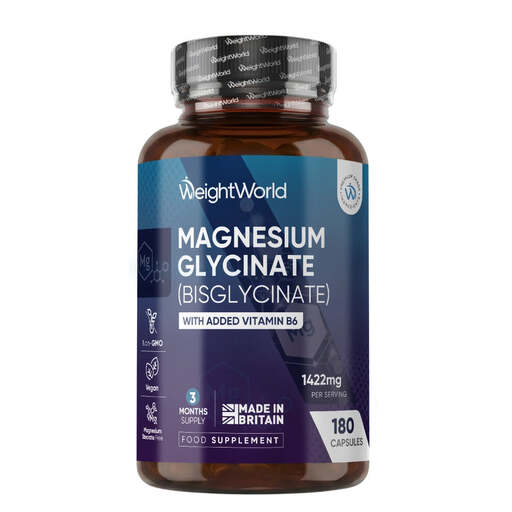
Why This Fits Their Persona: Ideal for individuals seeking a well-tolerated form of magnesium to support the nervous system and reduce fatigue. Magnesium glycinate is bound to the amino acid glycine, which makes it particularly gentle on the stomach and enhances absorption.
This product uses the highly bioavailable glycinate form instead of cheaper oxide. The product description transparently states that the dosage refers to the compound, while the focus remains on its high bioavailability.
High bioavailability and excellent stomach tolerance. The capsules are also 100% vegan and free from common allergens.
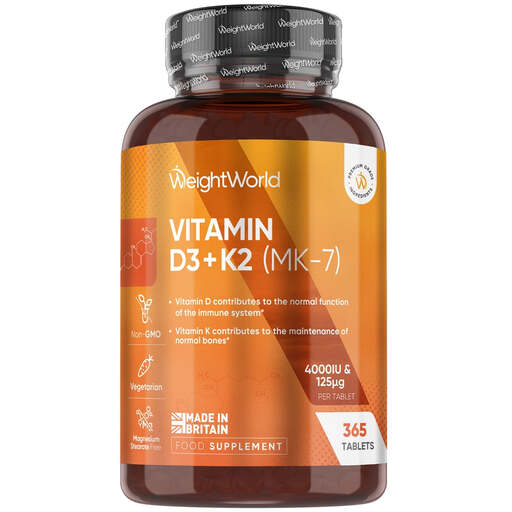
Why This Fits Their Persona: Perfect for targeted support of the immune system and bone health, especially during periods of low sun exposure. The high dose of Vitamin D3 is intelligently combined with Vitamin K2.
This product avoids the trap of an incomplete formulation by including not only Vitamin D3 but also the synergistic Vitamin K2 in the high-quality MK-7 form, which is crucial for calcium utilisation.
Smart combination of Vitamin D3 and K2 (MK-7). A year's supply in one package offers excellent value for money.
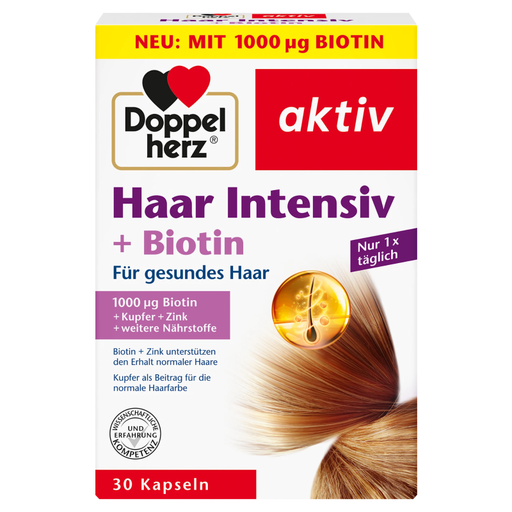
Why This Fits Their Persona: Designed for individuals who want to specifically support the maintenance of normal hair. The formula combines nutrients like biotin for hair and zinc with amino acids and horsetail extract.
Instead of a non-specific multivitamin blend, this product offers a targeted combination of nutrients known for their role in hair maintenance, such as high-dose biotin, zinc, and copper for normal hair pigmentation.
Specific formulation for hair support with biotin, zinc, copper, and the amino acids L-cysteine and L-methionine.
We have compiled a complete, up-to-date list of products that fully meet these strict selection criteria and German safety regulations.
What should I look for when choosing supplements? Focus on three key points: 1. The nutrient form, which ensures high bioavailability (e.g., magnesium citrate instead of oxide). 2. The actual elemental content of the active ingredient per dose, not just the weight of the compound. 3. The shortest possible ingredient list without unnecessary fillers, colours, or flavourings.
Should you take vitamins with a meal? It depends on the vitamin. Fat-soluble vitamins like D, E, K, and A should be taken with a meal containing fat, as this improves their absorption. Water-soluble vitamins (e.g., Vitamin C and the Vitamin B complex) can be taken more flexibly but are often recommended with meals to increase tolerance. Always follow the manufacturer's intake recommendations on the packaging.
What does the term "depot" or "time-release" mean for supplements? A "depot" or "time-release" tablet is designed to release its nutrients to the body over several hours rather than all at once. This is intended to ensure a more consistent supply over a longer period. This technology is often used for water-soluble vitamins or minerals like the Vitamin B complex or magnesium.