
Lieferung heute & morgen

Qualitätsgarantie

Willkommens-Angebote freischalten: KOSTENLOSE Lieferung | Bis zu 80 % RABATT | Kostenlose 30-Tage-JoyPlus-Testphase
App herunterladen
If you’re looking to buy supplements online, you’ll quickly find a wide range of capsules, tablets, ampoules and powders. However, product pages can differ considerably in dosage, composition, pack size and directions for use. A catchy marketing slogan won’t tell you whether a product fits your daily routine.
Three common marketing traps can lead to poor purchases:
For plant-based products, it’s important to know which ingredient is included and in what form. An extract may be dosed differently from dried plant powder. For artichoke products, for example, the packaging should make clear whether it contains artichoke leaf extract and gives a fresh plant equivalent.
The same applies to curcuma with curcumin and turmeric capsules: a product may contain 750 mg of turmeric extract, but only a stated proportion of curcuminoids. When choosing a product, also take into account added ingredients such as piperine, ginger or vitamin D3. If you take medicines regularly, check with a healthcare professional before combining them.
For inositol tablets, the exact form, the ratio of myo-inositol to D-chiro-inositol and the daily serving all matter. The product claim ‘4,000 mg per serving’ should always be considered alongside the recommended daily intake.
A pack of 120 tablets won’t necessarily last a long time. If the recommended intake is four tablets a day, it will last around 30 days. The same number of tablets could last much longer if the daily serving is one tablet.
Before you buy, it’s worth carrying out these quick checks:
This is particularly useful for zinc immune courses, berberine capsules, L-glutathione and products intended for longer-term use.
If you follow a vegan diet, check the capsule shell and look for any animal-derived ingredients. According to the product information, Doppelherz Ginkgo + B Vitamins + Choline contains a bovine gelatine capsule. Klosterfrau Valerian Tablets, by contrast, are described as vegan, gluten-free and lactose-free.
Even products with an apparently simple composition can have specific considerations. According to the product information, the ashwagandha version with KSM-66 may contain traces of milk from the manufacturing process. This could be important if you have a relevant intolerance.
Food supplements are not a substitute for a varied diet and a healthy lifestyle. Do not exceed the recommended daily dose. If you’re pregnant or breastfeeding, have a medical condition, are under medical supervision or take medicines regularly, it’s worth speaking to a healthcare professional.
The examples below are based on the ingredients, daily servings, forms and tolerance information stated for each product. They are not a blanket recommendation for everyone.
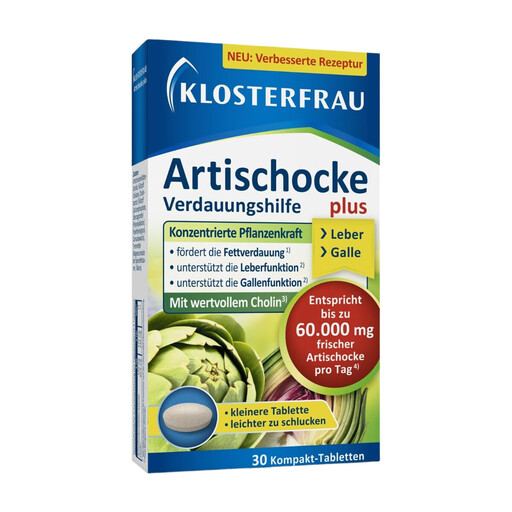
Why this product suits this profile: With three tablets per daily serving and 30 tablets per pack, it’s an easy-to-calculate starting option for consumers considering artichoke extract as a digestive supplement.
The product information lists both artichoke extract and choline, along with the specific daily serving. It is also described as gluten-free, lactose-free and vegan.
Artichoke leaf extract, 82.5 mg of choline per daily serving according to the product information, and a vegan tablet form.
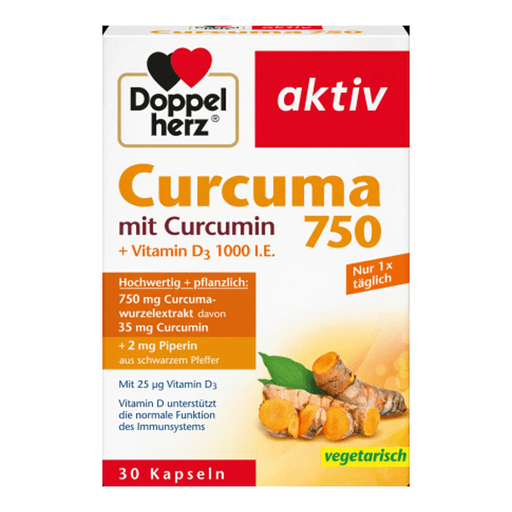
Why this product suits this profile: The composition lists turmeric extract, curcuminoids, piperine and vitamin D3 separately. This makes it easier to compare ingredients and quantities objectively.
The stated 750 mg of turmeric extract is accompanied by 35 mg of curcuminoids and 2 mg of piperine. This gives a more detailed breakdown than a single overall figure.
Vegetarian HPMC capsule; gluten- and lactose-free according to the product information; one capsule a day as directed.
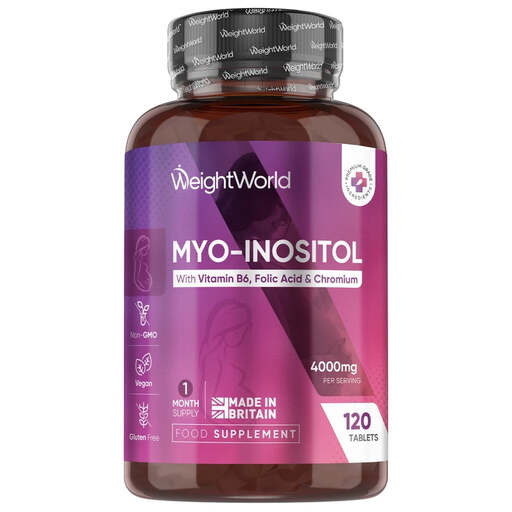
Why this product suits this profile: According to the product description, the 120 tablets are intended to provide a daily serving of four tablets. This works out at around a month’s supply.
The ratio of myo-inositol to D-chiro-inositol is given as 40:1. The recommended intake, number of tablets and guidance for adults are also clearly stated.
Vegan and, according to the product information, free from gluten, milk and soya; 4,000 mg of inositol compounds per daily serving.
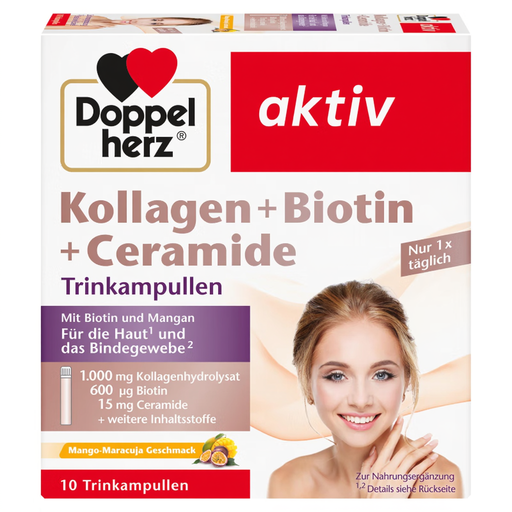
Why this product suits this profile: Drinkable ampoules are a good choice for buyers who prefer a liquid form to capsules or tablets.
The daily serving is clearly set at one ampoule. Vitamin C, biotin, zinc, copper and manganese are listed individually in the nutrition table.
10 ampoules; 80 mg of vitamin C and 600 µg of biotin per daily serving according to the product information.
Other options to explore include hemp oil capsules, ashwagandha KSM-66, ginkgo capsules, valerian tablets, L-glutathione, berberine capsules, a zinc immune course and a remedy for bloating containing simeticone. Always check the individual warnings and the full ingredients list for each product.
We’ve put together a complete, regularly updated list of products that fully meet these strict selection criteria and the safety regulations in force in the EU.
Don’t just look at the price per pack. Divide the price by the number of daily servings stated. You should also take delivery costs, minimum order values and how long the pack will last into account.
The best-before date is usually printed on the packaging. Once opened, products should be stored in a dry place away from light, following the manufacturer’s instructions. Storage guidance is particularly important for liquid ampoules and oil-based capsules.
There’s no one-size-fits-all answer. For example, products may contain overlapping amounts of zinc, vitamin D, B vitamins or plant extracts. If you take medicines, are pregnant or breastfeeding, or are under medical supervision, check with a healthcare professional before combining supplements.