
Lieferung heute & morgen

Qualitätsgarantie

Willkommens-Angebote freischalten: KOSTENLOSE Lieferung | Bis zu 80 % RABATT | Kostenlose 30-Tage-JoyPlus-Testphase
App herunterladen
If you want to buy supplements online, you’ll quickly find a wide range of vitamins, minerals and over-the-counter health products. The challenge is less about finding a product and more about understanding what you’re buying. Which dose suits your needs? What ingredients does it actually contain? And is it a food supplement, a medical device or a medicine?
This guide explains which details to check before you buy and how to avoid common pitfalls.
A high dose isn’t automatically suitable for everyone. This applies, for example, to Vitamin D 2000 IU, vitamin D3-K2 products and vitamin C supplements containing 1000 mg. What matters is the amount per daily serving, the recommended intake and any supplements you already take.
If you combine several products, check for overlapping ingredients. A multivitamin may already contain vitamin D, zinc or vitamin C, making an additional supplement unnecessary.
Some packs may seem particularly good value because they contain a large number of tablets or capsules. But for comparison, what matters is the actual daily serving. A bottle of 180 capsules will last around three months if you take two a day, not six months.
So check:
Vitamin D3 K2, magnesium glycinate, vitamin C with zinc and vegan vitamins generally fall into the food supplements category. Herbal cough remedies, throat sweets for dry coughs, heartburn treatments and digestive products, on the other hand, may be classified as medicines or medical devices.
These products have their own instructions for use. Read the patient information leaflet and check age limits, contraindications and advice on consulting a doctor or pharmacist.
For magnesium, it’s not just the name “magnesium” that matters, but also the compound used. Magnesium glycinate, also known as bisglycinate, is often sold as a single compound, while a magnesium complex combines several forms, such as citrate, bisglycinate, malate and oxide. If the label gives the amount of elemental magnesium, compare this rather than looking only at the weight of the compound.
For vitamin D, the amount in micrograms and International Units (IE) should be clear. Vitamin D3 2000 IE is equivalent to 50 micrograms. Vitamin D3-K2 products also contain a form of vitamin K2, such as MK-7.
Tablets, capsules, effervescent tablets and drops each have their own uses:
Also check the declared allergens and dietary information. Gluten-free, lactose-free, soya-free or vegan vitamins may be relevant if you have specific preferences. “Vegan” should apply to the complete formulation, including the capsule shell.
Food supplements are not a substitute for a balanced diet. Don’t exceed the recommended daily dose. If you’re pregnant or breastfeeding, have a chronic condition or take regular medication, it’s a good idea to speak to a doctor or pharmacist.
Take particular care with vitamin K2 if you’re taking anticoagulants, and with vitamin D if you have a known calcium imbalance. Follow the pack instructions for over-the-counter products for coughs, heartburn or digestive problems, too. If symptoms persist or get worse, seek medical advice.
The products below have been assessed based on their dosage, format, pack size and stated product features. The information is based on the details provided for each product.
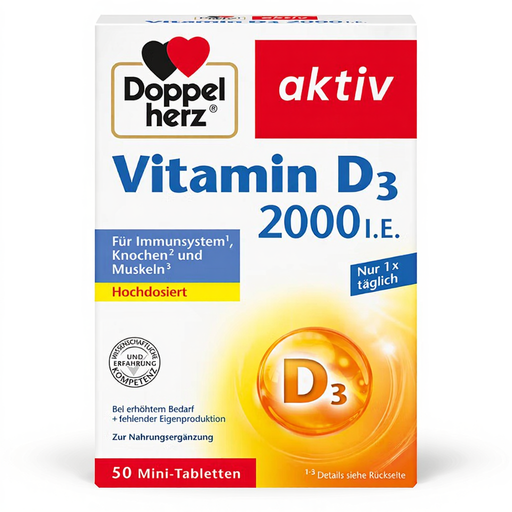
Why this product suits this profile: The clearly stated amount of 2000 IU of vitamin D3 per mini-tablet and simple once-daily use make it easy to get started with a straightforward routine.
The dosage and format are clearly stated in the product information. This makes it easy to compare the daily amount with other vitamin D products before you buy.
Mini-tablets, 2000 IU of vitamin D3 per tablet and once-daily use as directed in the product information.
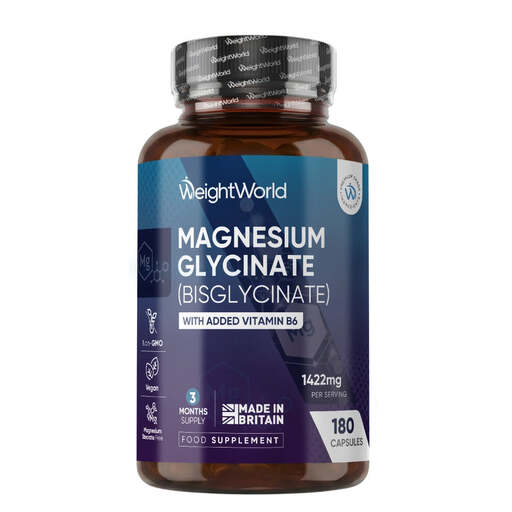
Why this product suits this profile: The formulation focuses on magnesium glycinate and uses plant-based capsule shells. According to the product information, it is gluten-free, lactose-free, soya-free and vegan.
The specific magnesium compound is named. Rather than relying on a general magnesium claim, shoppers can check the formulation in detail.
180 capsules, plant-based capsule shells and a stated serving instruction of two capsules a day.
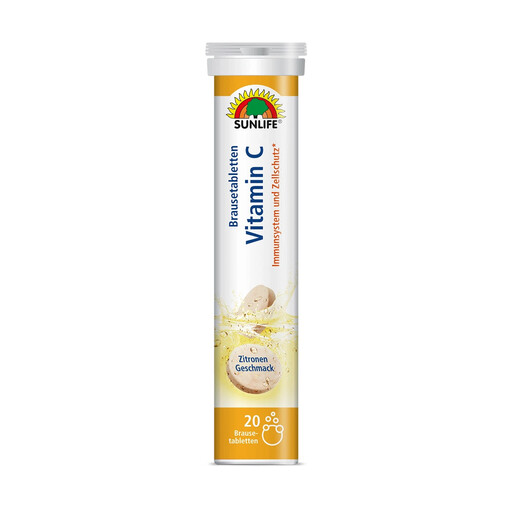
Why this product suits this profile: Dissolve the effervescent tablets in 250 ml of water. According to the product information, each tablet contains 180 mg of vitamin C. This may suit shoppers who prefer not to take capsules or solid tablets.
The serving size, amount of vitamin C and preparation instructions are clearly stated. The ingredients list also specifies the sweeteners and lemon flavour.
Water-soluble format, lemon flavour and 20 tablets per pack.
We’ve put together a comprehensive, regularly updated list of products that meet these strict selection criteria and fully comply with the safety regulations in force in the EU.
Check the best-before date and storage instructions on the packaging. Many products should be stored in a dry place, away from light, at no more than 25 °C. Close containers carefully after each use, and don’t use products if their smell, colour or consistency has changed noticeably.
The pack price alone isn’t enough to compare products. Divide the price by the number of recommended daily servings. For capsules taken twice a day, a pack of 180 capsules provides around 90 daily servings. For combination products, you should also take into account the amount of each individual active ingredient.
Whether you can combine them depends on the amounts they contain and your individual circumstances. First check whether you’re doubling up on vitamin D, zinc, magnesium or vitamin C. If you take medicines or anticoagulants, or have an existing medical condition, seek advice from a doctor or pharmacist before combining products.