
Lieferung heute & morgen

Qualitätsgarantie

Willkommens-Angebote freischalten: KOSTENLOSE Lieferung | Bis zu 80 % RABATT | Kostenlose 30-Tage-JoyPlus-Testphase
App herunterladen
If you want to buy sweet wine online, you'll quickly find a huge selection of red, white and rosé wines. Terms like "fruity", "sweet" or "off-dry" may sound similar, but they don't always mean the same thing. Bottle size, alcohol content and serving temperature also affect whether a wine suits a cosy evening, a dessert or a celebration.
This buying guide will help you avoid common mistakes and make informed comparisons when you order wine online.
A wine can smell of peach, berries or apple and still taste dry. "Fruity" primarily describes the aroma profile, whereas the perceived sweetness depends on residual sugar, acidity and alcohol content. If you specifically want to buy off-dry wine, look for the taste description "off-dry", "sweet" or "sweet".
A nicely designed label is no substitute for product data. Before ordering, you should check:
A wine in a 6-pack can be practical for parties or regular enjoyment, but it ties up more budget and storage space. For a first try, a smaller pack may be more sensible.
"Off-dry" is a legal taste classification and not a guarantee that every wine will taste equally sweet. According to current regulations, off-dry wine generally falls within a specific residual sugar range; the perception is also influenced by acidity and fruit flavours. So, where available, read the details on residual sugar and acidity.
These terms are helpful for making a clear choice:
An off-dry Riesling can taste fresh thanks to its acidity, while a sweet Moscato often comes across as aromatic and easy-drinking. If you're looking for sweet Moscato, also check the alcohol content and the recommended serving temperature.
The grape variety gives you a first clue, but it's not a guarantee of flavour:
Alcohol content influences body and drinking experience. In our selection, you'll find products ranging from 7.5 to 12 per cent ABV. Lighter wines often work well as aperitifs, while fuller-bodied varieties can complement spicy dishes.
Serving temperature should also be considered. Sweet white wine and off-dry rosé wine are usually served chilled. Red wine with a fruity profile can also be served slightly cool or chilled if stated on the product. Unopened bottles are best stored in a cool, dry place away from direct sunlight. Once opened, wines should be resealed and consumed within a few days.
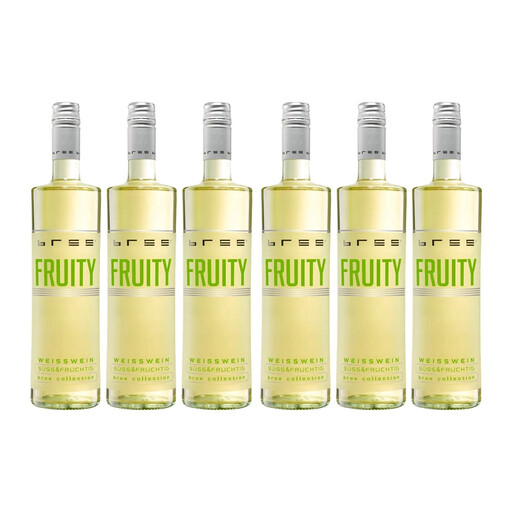
Why this product fits the profile: This white wine comes in a 6-pack and is described as having 9% ABV with aromas of peach and apple. The recommended serving temperature is 8–10 °C.
The flavour profile "Sweet & Fruity" is clearly stated. Volume, alcohol content and serving temperature are all verifiable before ordering.
6 bottles of 0.75 litres each; German origin according to product information; contains sulphites.
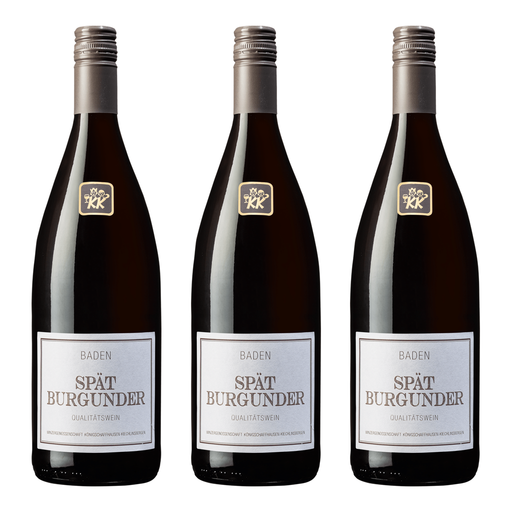
Why this product fits the profile: This German red wine from the Baden region is described in the product text as light and fruity. The three 1-litre bottles are ideal for households that serve red wine regularly.
The selection is based on concrete details about origin, stainless steel tank ageing, screw cap and 12% ABV, rather than vague quality claims.
According to product information, from the Kaiserstuhl region; off-dry style; 3 × 1 litre; contains sulphites.
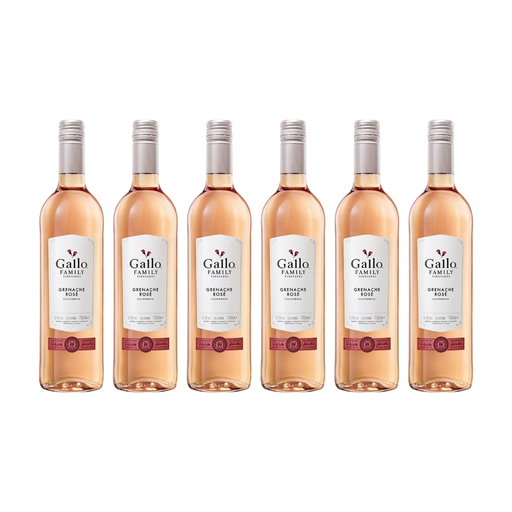
Why this product fits the profile: This sweet Grenache rosé wine is described with strawberry and floral aromas. According to the product information, it pairs well with poultry, grilled fish, salads and Asian dishes.
The specific serving temperature of 6–8 °C and the recommended storage guidance prevent it from being served too warm.
6 × 0.75 litres; 10% ABV; Grenache rosé; contains sulphites.
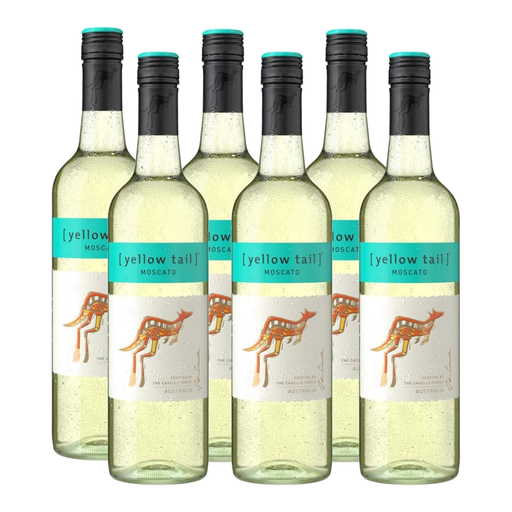
Why this product fits the profile: If you prefer sweet, aromatic Moscato, the product description notes flavours of grape, peach and passion fruit. The stated 7.5% ABV and 68.5 g/l residual sugar make comparison easy.
The residual sugar is explicitly stated. This makes it easier to gauge the sweetness rather than relying solely on the term "fruity".
6 × 0.75 litres; 7.5% ABV; 68.5 g/l residual sugar according to product information; contains sulphites.
We've put together a full, regularly updated list of products that fully meet these strict selection criteria and the safety regulations in force in the EU.
The combination should be chosen according to personal taste and the wine's sweetness level:
Bear in mind that a very sweet wine can taste less sweet alongside a sweet dessert if the dessert has a higher sugar content. Serving temperature also affects how you perceive the flavour.
A light white wine or rosé with a clear sweetness indication and moderate alcohol content is often easy to get to grips with. A Moscato or a fruity white wine could be a good choice. What matters are the product details, not just the label design.
That depends on the type of wine, the closure and storage conditions. After opening, the bottle should be resealed and stored in a cool place. For the best quality, it's advisable to drink opened wines within a few days. Always follow the instructions on the individual product.
A multi-pack can reduce the price per bottle, but that's not always the case. So compare the total price, the price per litre, the fill volume and the delivery costs. For occasional use, a smaller pack may be more economical. Alcohol consumption should only be done by adults and in a responsible manner.