
Lieferung heute & morgen

Qualitätsgarantie

Willkommens-Angebote freischalten: KOSTENLOSE Lieferung | Bis zu 80 % RABATT | Kostenlose 30-Tage-JoyPlus-Testphase
App herunterladen
If you want to buy sweet wines online, you will find a wide selection of Moscato, Asti Spumante, medium-sweet wines, dessert wines and fruity red or white wines. Product names often sound self-explanatory, but they do not always tell you enough about the flavour, alcohol content, bottle size or the occasion they are best suited to. A few clear checks can help you narrow down your choice and avoid buying the wrong product.
A wine with peach, berry or plum aromas can be dry, medium-dry or medium-sweet. Fruit aromas and sweetness are different characteristics. Look for descriptions such as ‘sweet’ or ‘medium-sweet’, as well as the residual sugar content. For example, a Moscato with a stated residual sugar content of 68.5 g/l gives a more specific indication of its flavour profile than a purely promotional description such as ‘fruity and fresh’.
A 6-bottle wine pack can be practical for parties, stocking up or splitting between gifts. However, if you only open a bottle occasionally, you should consider shelf life, storage space and how quickly you will drink it after opening. A single 500- or 750-millilitre bottle may be the more suitable option for a smaller household.
Sweet wines often taste mild and approachable, but their alcohol content can still vary considerably. Asti Spumante at 7 % vol. is not comparable to a sherry at 19 % vol. Similarly, despite its fruity sweetness, an umeshu such as CHOYA Plum Wine is still an alcoholic drink with 10 % vol. You should therefore always check the product page before buying.
Several details are relevant when assessing a wine’s flavour profile:
A sweet white wine often pairs well with fruit, mild cheese, light desserts or spicy dishes. A sweet red wine such as a Dornfelder cuvée can be paired with berry flavours, mild cheese or chocolate desserts. Plum wine, or umeshu, can also be served chilled, over ice or used as a cocktail base.
Serving temperature affects how intensely sweetness, acidity and aromas are perceived. The selected products include the following recommendations from the manufacturers:
These details come from the individual product descriptions and should not be applied generally to the entire category. After opening, many sweet wines should be stored in a cool place and consumed promptly.
Before buying, check whether a 750-millilitre bottle or a 6-bottle pack containing 6 × 0.75 litres is more suitable for the occasion. Origin may also be important: Cinzano Asti comes from Piedmont in Italy, Osborne Sherry from Spain, CHOYA umeshu from Japan, and several Riesling or Dornfelder products from Germany.
Wine often contains sulphur dioxide and sulphites. This allergen information is explicitly stated in the available product data for several items. Ingredients, alcohol content, nutritional information and storage instructions should be checked directly on the relevant product page.
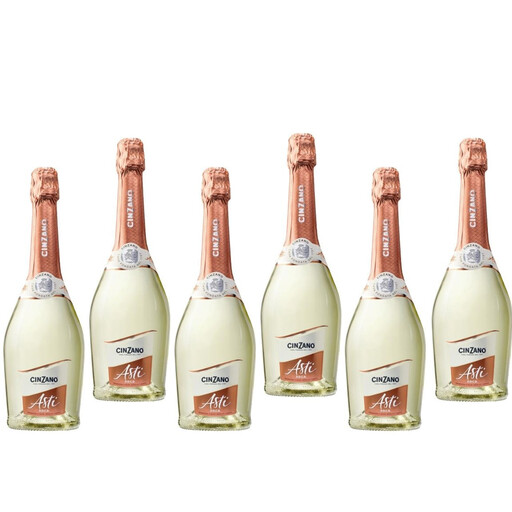
Why this product suits this profile: The 6-bottle pack is ideal for aperitifs, guests and multiple occasions. According to the product information, this sparkling wine from Piedmont contains 7 % vol. and is best served chilled.
The alcohol content, number of bottles, volume and serving temperature are clearly stated, making it easier to plan quantities.
DOCG designation according to the product description, 6 × 0.75 litres and 7 % vol.
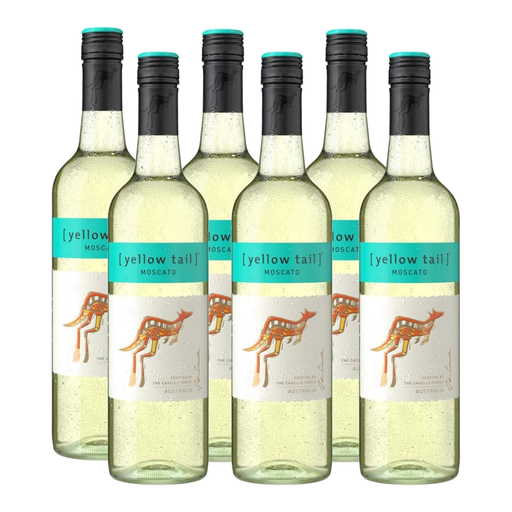
Why this product suits this profile: According to the product data, this Moscato combines 68.5 g/l residual sugar with 6.7 g/l acidity and can be served with aperitifs, fish, poultry and salads.
The specific residual sugar and acidity values make the flavour profile easier to assess than general terms such as ‘fresh’.
Moscato Bianco, 7.5 % vol., 6 × 0.75 litres and a clearly stated serving temperature.
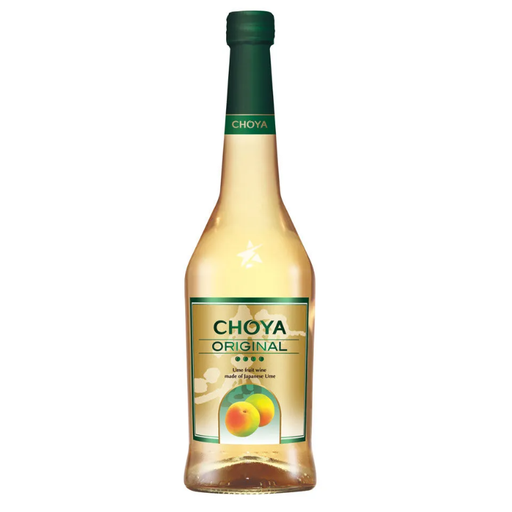
Why this product suits this profile: This Japanese umeshu is intended to be served chilled, over ice or as a cocktail base, setting it apart from classic grape wine.
The product type, ingredients, 10 % vol. and 750-millilitre bottle are clearly stated. This makes its use as umeshu clear.
Japanese plum wine, or umeshu, profile, 10 % vol. and versatile serving options.
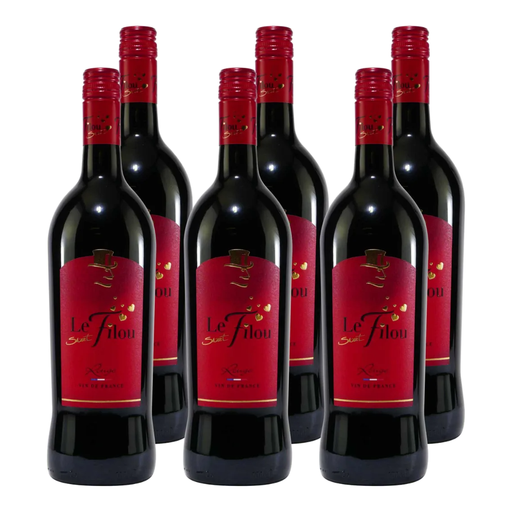
Why this product suits this profile: This French red wine cuvée is aimed at shoppers who enjoy berry, cherry and plum notes together with clearly stated sweetness.
The colour, origin, 12 % vol. and pack size are clearly stated, preventing confusion with a light white wine.
Sweet red wine from France, 6 × 0.75 litres and described aromas of berries, cherries and plums.
We have put together a complete, regularly updated list of products that fully meet these strict selection criteria and the safety regulations applicable in the EU.
For a German fruity white wine, consider Kiechlinsberger Müller-Thurgau & Morio-Muskat or Maybach Riesling Lieblich. Both product descriptions mention stone fruit or mirabelle and peach aromas. BREE Fruity White is described as having peach and apple notes and is served at 8–10 °C.
Sherry is a category of its own: Osborne Medium Dry Sherry is described as having 19 % vol. and a balanced, slightly sweet profile. ‘Medium Dry’ should not be confused with a classic sweet white wine. If you are looking for a dessert wine, compare the alcohol content, sweetness level and style description first.
Alcoholic drinks are intended for adults only. Pregnant and breastfeeding people should avoid alcoholic products. Please store wine safely and enjoy it responsibly.
Chilled, aromatic white wines or sparkling wines are often chosen for an aperitif. According to the product information, Cinzano Asti Spumante and Moscato are suitable options. The right choice depends on the desired alcohol content, sweetness level and number of guests.
This depends on the product and how it is stored. An opened bottle should be resealed, kept somewhere cool and dark, and consumed within a few days. Sparkling wine will also lose its fizz. Sherry and other specially matured products may behave differently; the information on the label or product page should be followed.
Sweet white wine often goes well with fruit, light desserts, mild cheese, fish or poultry. Sweet red wine pairs well with berries, chocolate desserts and mature, spicy cheese. Umeshu can be served chilled, over ice or with Asian-inspired dishes. The key is to match the sweetness, acidity, spice and intensity of the wine and food.