
Lieferung heute & morgen

Qualitätsgarantie

Willkommens-Angebote freischalten: KOSTENLOSE Lieferung | Bis zu 80 % RABATT | Kostenlose 30-Tage-JoyPlus-Testphase
App herunterladen
The desire for a healthy, even tan is universal. However, the market for tanning accelerators, tanning oils, and self-tanners is overwhelming, filled with products that over-promise and under-deliver. Many users invest in products that lead to patchy results, skin irritation, or, in the worst-case scenario, an increased risk of sunburn. This guide will help you avoid the common pitfalls and make an informed decision.
Before you decide on a product, you should be aware of the most common issues that lead to unsatisfactory results and wasted money.
To avoid these mistakes, you should focus on three objective parameters that determine a product's function and suitability.
It is crucial to understand the difference between the two main mechanisms of action:
Whether you want to get tan faster or not, protection against UVA and UVB rays is essential to prevent premature skin ageing and other skin damage. A tanning accelerator should never be seen as a substitute for sunscreen unless it explicitly features a declared Sun Protection Factor (SPF). For sun-sensitive skin or prolonged sun exposure, an SPF of 30 or higher is advisable. Products with SPF 6 or 15 are more suitable for already tanned skin or short periods in the sun.
The texture affects not only the feel on the skin but also the application and the final result.
Here are some selected products tailored to different needs and use cases.
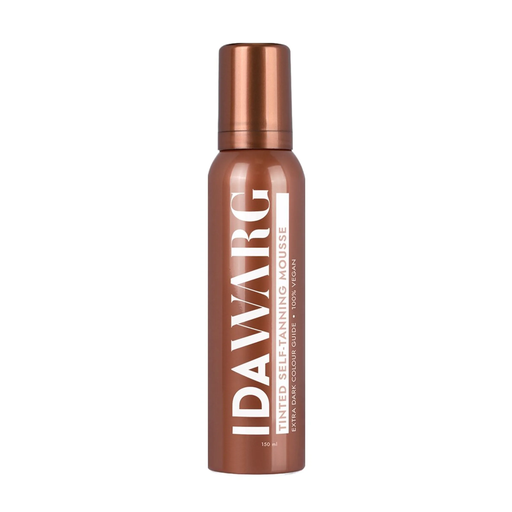
Why This Fits Their Persona: Ideal for users who want an intense, dark tan without sun exposure. The mousse texture allows for an easy and fast application for a professional-looking result at home.
The tinted formula (guide colour) acts as an instant tan and helps prevent streaks, as you can see exactly where the product has been applied. It is clearly declared as a self-tanner and does not create the false impression of offering sun protection.
The vegan formula is enriched with moisturising ingredients that support an even fade without patchiness.
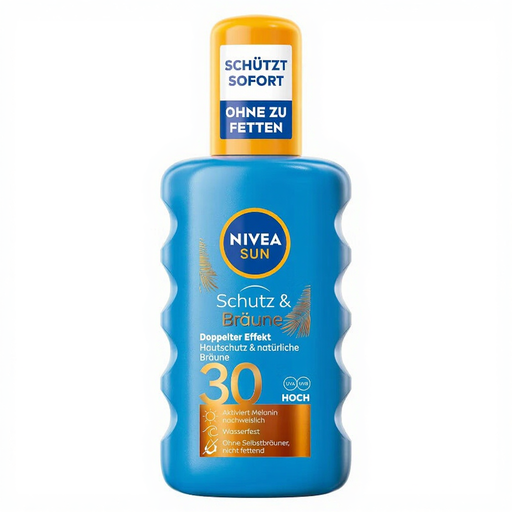
Why This Fits Their Persona: Perfect for individuals who want to safely accelerate their natural tan in the sun without compromising on sun protection.
This product solves the core problem of lacking protection by combining a high SPF 30 with a tan-activating pro-melanin extract. It is a sunscreen with a tanning effect, not purely a tanning aid.
The formula is water-resistant, absorbs quickly, and is non-greasy. According to the manufacturer, it activates the skin's own melanin production for an even, natural tan.
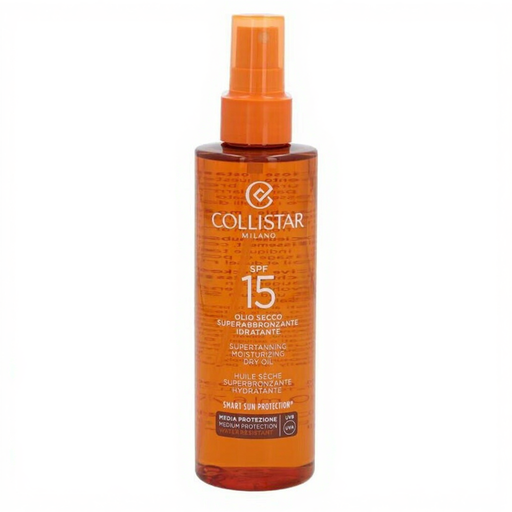
Why This Fits Their Persona: For users with already lightly tanned skin who are looking for a high-quality, nourishing dry oil with medium protection. The product offers a sensorial application experience and is versatile.
The dry oil formulation bypasses the problem of greasy residue. It is enriched with nourishing oils and Vitamin E, thus counteracting skin dehydration. The SPF 15 is clearly declared and appropriate for the intended user group.
The light, non-greasy texture is water-resistant and can also be used to protect hair from sun and salt. The Smart Sun Protection technology offers protection against UVA and UVB rays.
We have compiled a complete, up-to-date list of products that fully meet these strict selection criteria and local safety regulations.
1. Can a tanning accelerator replace sunscreen? No, a tanning accelerator can only replace sunscreen if it explicitly contains a Sun Protection Factor (SPF) high enough for your skin type and the intensity of the sun exposure. Products without SPF or with a very low SPF (e.g., 6) do not offer adequate protection against sunburn and skin damage. Always check the label and, if necessary, apply an additional high-SPF sunscreen.
2. How do I avoid patches and streaks when applying self-tanner? Preparation is key for an even result. Exfoliate your skin 24 hours before application to remove dead skin cells. Immediately before applying the self-tanner, apply a moisturiser to dry areas such as knees, elbows, ankles, and hands. Use an applicator mitt to apply the product, especially for mousses or lotions, and spread it in even, circular motions.
3. How long does the tan from a tanning product last? The longevity depends on the mechanism of action. A tan achieved with a self-tanner containing DHA typically lasts for 5 to 7 days, as the top layer of skin continuously renews itself. A tan intensified in the sun by a melanin activator is a natural tan and lasts as long as a conventional sun tan. Regular moisturising can extend the life of both types of tan.