
Lieferung heute & morgen

Qualitätsgarantie

Willkommens-Angebote freischalten: KOSTENLOSE Lieferung | Bis zu 80 % RABATT | Kostenlose 30-Tage-JoyPlus-Testphase
App herunterladen
Anyone looking to buy tea online will quickly find a huge selection: black tea, green tea, fruit tea, herbal tea, matcha, international blends and sweet fruit concentrates. Product images can often appear clearer than the actual information on the packaging. However, the most important factors when choosing the right product are the ingredients, preparation method, caffeine content, pack size and storage requirements.
A product called yuzu tea, lemon tea or plum tea may actually be a fruit concentrate. For example, the ingredients list for TBest Zitrus Yuzu Tea 1kg includes yuzu citrus fruit, sugar and honey. Delief Citron Tea 560g also contains sweetened citron, sugar and fructose. These products are usually diluted with water, making them very different from a traditional infusion made with loose leaves or tea bags.
Fruit concentrates can contain a high proportion of sugar per 100 grams. According to the product information, Delief Citron Tea contains 50 grams of sugar per 100 grams, while TBest Yuzu Tea contains 60 grams. This is important when choosing a product if you are looking for an unsweetened drink. With loose tea or plain tea bags, the ingredients list is usually the key consideration, as sugar is often not added.
Black tea, green tea, oolong and matcha naturally contain caffeine unless stated otherwise. A ginger and lemon tea or herbal tea labelled caffeine-free may be more suitable for the evening. At the same time, warnings such as “may contain traces of…” and any declared ingredients must be taken into account. For herbal blends containing liquorice, you should also follow the relevant information on the packaging.
First, check the ingredients list to establish whether the product is:
For example, Earl Grey may consist of black tea and bergamot flavouring. Caykur Tomurcuk Cayi Earl Grey Tea is described as containing black tea and bergamot flavouring. If you are looking for a strong, traditional infusion, you could choose Turkish tea or East Frisian tea. If you prefer a fruity cold drink, check the concentrate’s recommended dilution and sugar content.
Loose tea allows you to adjust the strength and is often practical for larger households or regular consumption. However, you will need a tea infuser, filter or teapot. Tea bags are pre-portioned and suitable for the office, travelling or quick preparation. If you drink tea frequently, it is worth checking the total quantity and the price per 100 grams.
Pack sizes vary considerably. Matcha, for example, is available in an 80-gram tin, while Bünting Tee Grüner Pack contains 500 grams. Fruit concentrates such as yuzu, lemon or plum tea are often sold in jars containing between 480 and 1,000 grams. Once opened, these products may need to be refrigerated, depending on the instructions.
Preparation instructions are not interchangeable:
For families, it is also important to check whether a product contains caffeine and whether the packaging includes specific information about allergens or ingredients such as liquorice.
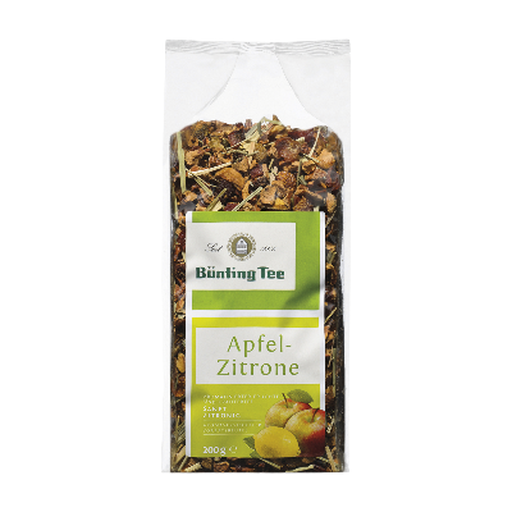
Why this product suits this profile: The blend of apple pieces, rosehip shells and lemongrass is sold as loose fruit tea and can be prepared hot or cold. According to the product information, it is caffeine-free.
The ingredients list makes it clear that this is a flavoured herbal and fruit tea blend, not a sweetened concentrate.
200 grams of loose tea, a caffeine-free product specification, and preparation with hot or cold water.
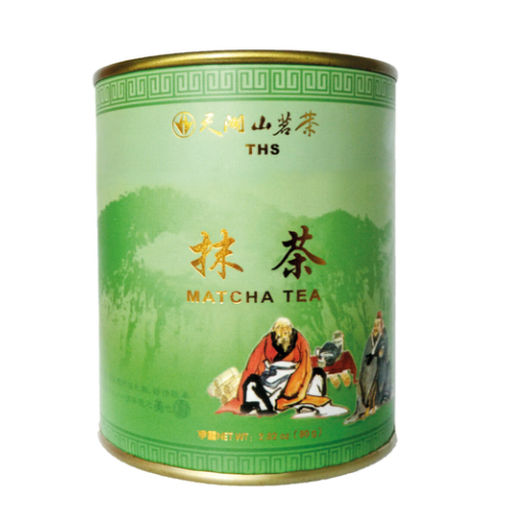
Why this product suits this profile: According to the description, this product consists of 100% matcha green tea powder and is supplied in an 80-gram tin. It is suitable for traditional preparation, matcha lattes and use in food.
The single-ingredient declaration clearly distinguishes the powder from sweetened instant blends containing fillers.
100% matcha green tea powder, a resealable tin and several possible uses.
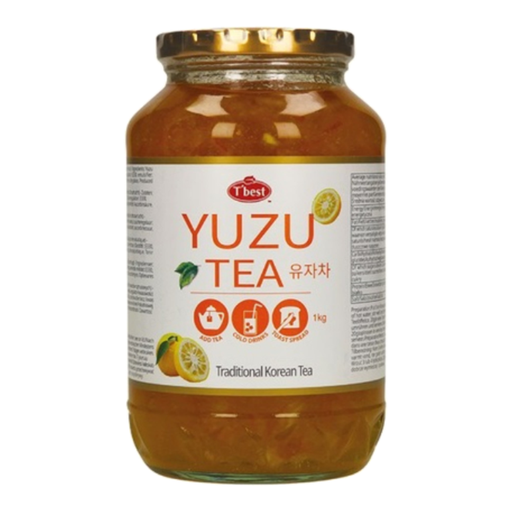
Why this product suits this profile: This Korean fruit concentrate is mixed with two to three teaspoons in hot or cold water. It can also be used with yoghurt, desserts or pancakes.
The product type, ingredients and recommended dosage are clearly stated. The sugar content should be considered carefully before buying.
1 kilogram of product, flexible hot and cold preparation, and use as a dessert or breakfast ingredient.
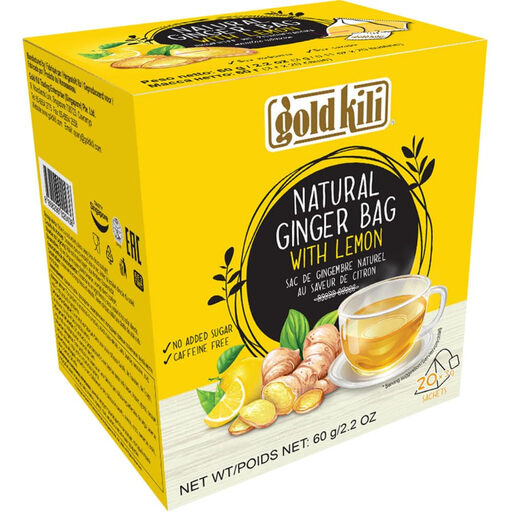
Why this product suits this profile: The product description states that it contains 92% natural ginger, natural lemon flavouring and a caffeine-free recipe in tea bags.
The caffeine-free specification and declared main ingredient make it easier to compare with flavoured blends.
Pre-portioned tea bags, ginger and lemon flavour, and preparation as a hot or cold drink.
We have compiled a complete, regularly updated list of products that fully meet these strict selection criteria and the safety regulations applicable in the EU.
Herbal tea, fruit tea and blends explicitly labelled caffeine-free are often suitable choices. If the ingredients include mate, green tea, black tea, oolong or matcha, you should assume that they contain natural caffeine. The specific information on the product page and packaging remains decisive.
Tea should be stored in a dry, dark place and kept as airtight as possible. Strong odours can affect its flavour. Fruit concentrates often need to be refrigerated after opening and consumed within the stated period. For matcha, a tightly sealed tin helps protect it from moisture and air.
That depends on the pack size, dosage and product type. Loose blends often contain more grams per pack and can be portioned to suit your preference. Tea bags, on the other hand, offer a fixed serving size and do not require an additional strainer. For a fair comparison, check the price per 100 grams and the recommended quantity per cup.