
Lieferung heute & morgen

Qualitätsgarantie

Willkommens-Angebote freischalten: KOSTENLOSE Lieferung | Bis zu 80 % RABATT | Kostenlose 30-Tage-JoyPlus-Testphase
App herunterladen
If you want to buy tea online, you’ll find a huge selection: fruit tea, green tea, black tea, herbal tea, matcha, instant tea and ready-to-drink tea beverages from Asia. Product names often sound self-explanatory, but on their own they reveal little about the ingredients, preparation or actual intended use. A structured comparison helps you avoid unsuitable purchases.
With classic tea bags, the focus is usually on the plant-based ingredients. Fruit concentrates, Korean fruit tea, yuzu tea and instant blends, on the other hand, often contain sugar, fructose or sweeteners. The key figure is the nutritional information per 100 g, 100 ml or serving.
A drink containing just a few calories per 100 ml can still add up to a significant total when consumed from a large bottle. With powdered mixes and tea concentrates, you should also check how many servings the pack actually makes.
A “Ginger Tea” or “Plum Tea” may be a concentrate containing sugar and fruit or ginger, rather than a pure infusion. With matcha, it is important to check whether it is 100% ground green tea or a flavoured drink powder.
Ingredients are listed in descending order by quantity. Percentages such as “Yuzu 45%” or “Ginger 34%” make comparisons easier. Marketing terms such as “traditional”, “authentic” or “premium” are no substitute for specific product information.
Tea bags require hot water and a specific steeping time. Instant tea, by contrast, is mixed with water and can often be prepared hot or over ice. Ready-to-drink products such as iced tea can be consumed immediately, but usually need to be refrigerated after opening.
Before buying, check the following:
For tea drinks, it is worth checking the exact base: brewed green tea, black tea extract, fruit juice concentrate, herbs or a soluble powder. Fruit tea in a bag may contain no sugar, while Korean fruit tea in a jar may be sweetened with sugar or syrup.
You should also check the nutritional table for products labelled “reduced sugar”. Information such as 4.3 g of sugar per 100 ml or 55 g of sugar per 100 g is more objective than the front of the packaging. For people with a milk allergy or lactose intolerance, ingredients such as milk powder and sodium caseinate are relevant.
Large bottles are ideal for households that regularly drink iced tea or chilled tea drinks. Individual tea bags are easier to portion and store. Jars of yuzu, ginger or plum concentrate allow you to adjust the dose flexibly, but require a spoon and refrigerated storage after opening.
With instant tea, pay attention to the mixing ratio. One serving of powder can provide considerably more sugar and carbohydrates than an unsweetened infusion. The term “3-in-1” typically indicates a combination of tea, sweetener and milk or creamer ingredients.
Green tea, black tea, oolong and matcha differ in taste and preparation. Matcha is consumed in its entirety, as the powder is not simply infused and then removed. Thai tea is often based on black tea and may contain milk ingredients. Herbal tea is not automatically suitable for everyone or for daily use; when special ingredients are involved, the instructions on the packaging are decisive.
For products containing sweeteners, colourings or plant-based ingredients, the relevant labelling information should be taken into account. For example, Ranong Tea Derr Chape contains senna leaves and senna pods and comes with specific usage instructions. Such products should only be used in accordance with the label and should not be considered a substitute for a varied diet.
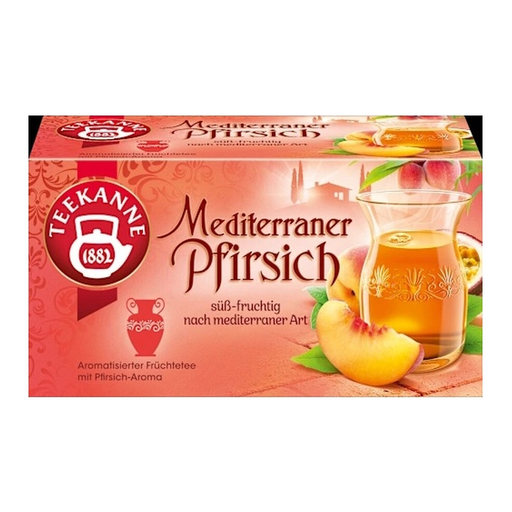
Why this product suits the profile: The 20 pre-portioned bags make measuring easy. The fruit tea is prepared with boiling water and can also be served as iced tea once cooled.
The ingredients and recommended steeping time are clearly stated. This makes it easy to use one bag per cup.
20 tea bags, each containing 2.5 g; according to the product information, 2 kcal per 100 ml and no listed allergens.
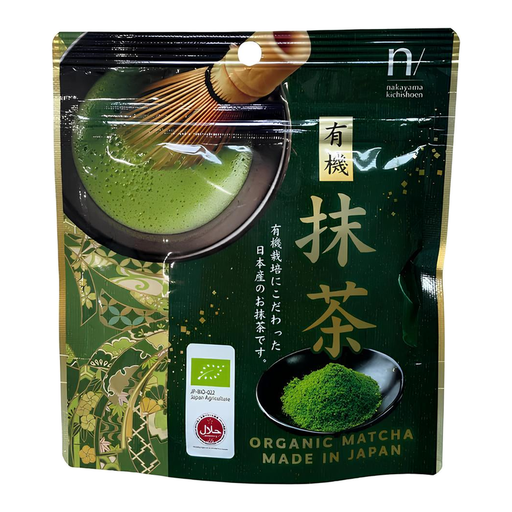
Why this product suits the profile: If you are looking for pure green tea in powder form, this product contains 100% organic matcha with no additional flavourings or ingredients.
The ingredients list prevents confusion with sweetened matcha drink powder. Storage in an airtight container is expressly recommended.
30 g pack size; suitable for traditional preparation, matcha lattes, smoothies and baking recipes.
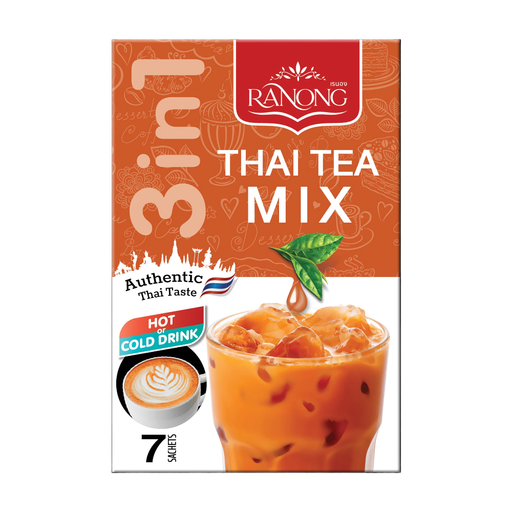
Why this product suits the profile: This instant blend is aimed at shoppers who want to prepare Thai tea quickly, hot or over ice, without having to measure individual ingredients.
The recipe lists sugar, whole milk powder and black tea powder. This makes the sweetener and milk ingredients clear before purchase.
24 months’ stated shelf life; according to the product data, 25% whole milk powder and preparation with hot or cold water.
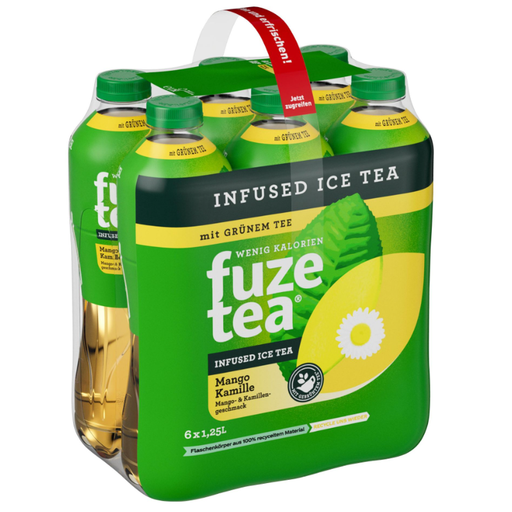
Why this product suits the profile: This ready-to-drink multipack is ideal for households or occasions when chilled tea is wanted without any preparation.
The ingredients include brewed green tea, 1% mango juice, chamomile extract, sugar and steviol glycosides. This is therefore not an unsweetened tea infusion.
6 bottles, each containing 1.25 l; according to the product information, 19 kcal and 4.3 g of sugar per 100 ml; ready to serve chilled.
We have put together a complete, regularly updated list of products that fully meet these strict selection criteria and the safety regulations applicable in the EU.
Fruit tea and many herbal teas can be brewed hot, cooled and then served with ice. Instant tea and ready-made tea drinks are also suitable for cold beverages. With tea bags, the infusion should first be made with hot water and can then be chilled. Follow the steeping time and dosage stated on the packaging.
Depending on the manufacturer’s information, unopened dry tea bags, matcha and instant tea products can keep for many months. Once opened, powders and concentrates should be stored in a dry, cool place in a tightly sealed container. Opened ready-to-drink products should be refrigerated and consumed promptly in accordance with the label.
That depends on the pack size, dosage and amount of water required. Instant tea takes up less storage space and can be mixed as needed. Ready-made iced tea is immediately available, but is sold in larger bottles or multipacks. For a fair comparison, calculate the price per litre or per prepared serving.