
Lieferung heute & morgen

Qualitätsgarantie

Willkommens-Angebote freischalten: KOSTENLOSE Lieferung | Bis zu 80 % RABATT | Kostenlose 30-Tage-JoyPlus-Testphase
App herunterladen
Anyone looking to buy tea online will quickly find a wide selection of fruit teas, herbal teas, black teas and international specialities. However, product names alone reveal little about whether a variety suits your everyday routine. The key factors are the ingredients, caffeine content, preparation method, pack size and storage.
Names such as “peach”, “grape” or “bergamot” may refer to a flavour, without the named fruit being present in any significant quantity. Checking the ingredients list provides clarity. For example, Teekanne Mediterranean Peach Fruit Tea combines peach flavouring and peach juice granules with other ingredients such as rosehip, apple and citric acid. Its taste therefore should not be equated with a pure peach infusion.
Black tea, green tea, oolong tea, matcha and pu-erh tea usually contain caffeine. This is not automatically the case with herbal and fruit teas, but the specific product description should still be checked. If you are looking for tea to drink in the evening or for children, search specifically for caffeine-free tea. Ready-to-drink beverages such as chilled tea may also contain caffeine, even if they taste light and fruity.
A small pack of loose tea may be enough for several infusions, while tea bags provide a clearly defined portion. Conversely, a 500 g bulk pack is only economical if tea is consumed regularly and you have an airtight place to store it. Steeping time is also relevant: some products require five to eight minutes, while others are infused only briefly and can be used several times.
First check whether the product is pure tea, a blend or a flavoured beverage. With organic tea, the organic seal or the inspection body’s number should be verifiable on the packaging. For example, YOGI TEA Throat Warmer lists ingredients from certified organic cultivation. The liquorice root it contains is also an indication that the ingredients list should be checked particularly carefully if you have individual dietary requirements.
For products featuring well-known brands, the following applies: statements about origin, certifications or ingredients should refer to the relevant product packaging and manufacturer information. Certification of individual ingredients does not automatically mean that every characteristic of the finished beverage is certified.
For everyday enjoyment, three questions are particularly useful:
A fruit tea such as rosehip and hibiscus is listed as caffeine-free according to the product information. A ready-to-drink jasmine tea from Uni-President, on the other hand, explicitly indicates that it contains caffeine. The drink is served chilled and is ready immediately, but has a different ingredients and nutritional composition from dry tea leaves.
Tea in a tea bag is ideal for the office, travelling and a quick cup without the need for an additional strainer. Pay attention to the number of bags and the weight in grams per portion. With loose tea, you can adjust the dosage more flexibly and make several infusions, depending on the variety. However, you will need a strainer, teapot or other suitable accessories.
The water temperature should not be treated as a one-size-fits-all matter either. Fruit tea and many herbal blends are often brewed with freshly boiling water. Green tea, Japanese tea and matcha require different temperatures and preparation methods depending on the product. The instructions on the packaging should always be followed.
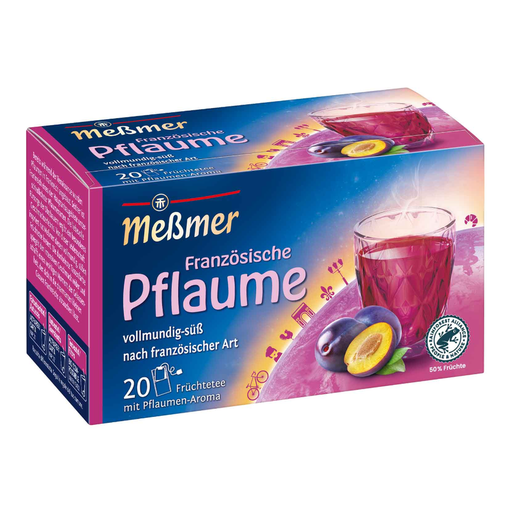
Why this product suits this profile: The 20 individually portioned tea bags are ideal for an easy introduction to fruity tea blends. The infusion can be prepared hot or as chilled tea.
The product information identifies a flavoured fruit tea blend and a caffeine-free recipe. This makes it easier to assess the product without assuming that plum pieces are the main ingredient.
20 tea bags; caffeine-free according to the product information; suitable for hot and cold preparation.
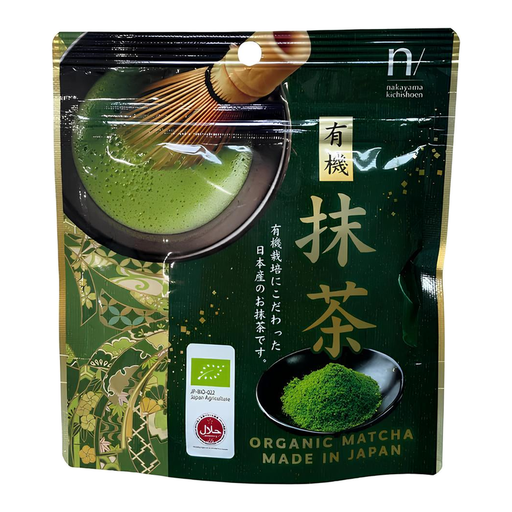
Why this product suits this profile: According to the product description, this Japanese organic matcha consists of 100% green tea, or Tencha, and can be prepared traditionally, as a latte or used in recipes.
The origin in Japan, organic labelling and ingredients list are clearly stated. This makes it easier to distinguish from flavoured green tea powders.
30 g pack; organic matcha; versatile for infusions, lattes, smoothies and baking recipes.
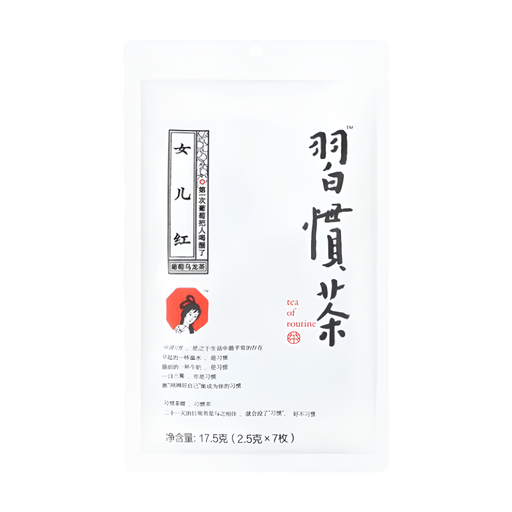
Why this product suits this profile: This flavoured oolong tea comes in a practical tea bag and can be prepared hot or with cold water over a longer period.
The product description explicitly lists oolong tea, dried peach and flavouring. This makes it clear that it is not a pure grape infusion.
Tea bag format; suitable for hot and cold preparation; net quantity 17.5 g.
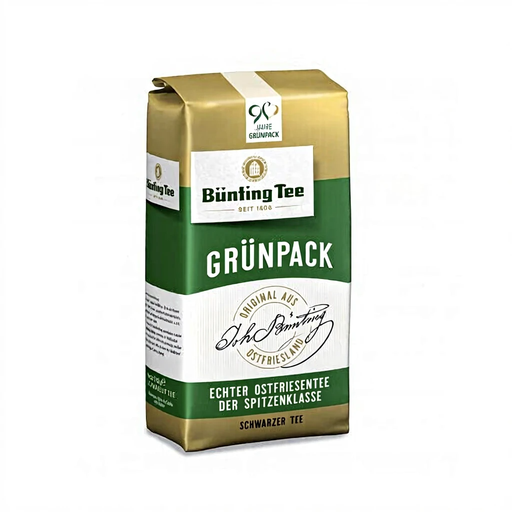
Why this product suits this profile: The 500 g pack of loose Assam black tea is suitable for households where a pot or cup of tea is prepared regularly.
The pack size and dosage instructions are clearly stated. Airtight storage away from strong odours prevents the loose leaves from absorbing foreign aromas.
500 g loose tea; 100% black tea according to the ingredients list; recommended steeping time of three to five minutes.
We have put together a complete, regularly updated list of products that fully meet these strict selection criteria and the safety regulations applicable in the EU.
For most dry teas, the rule is to store them somewhere cool, dry and protected from light, away from strong odours. An opened pack should be resealed securely. Loose teas benefit from an airtight container that preserves their aroma. For ready-to-drink beverages, follow the refrigeration instructions after opening.
When it comes to Turkish tea and Earl Grey, it is worth taking a closer look at the preparation instructions. According to the product information, Caykur Tomurcuk Cayi Earl Grey is used as a blended tea and combined with classic black tea. Other Earl Grey products, such as Jeden Tag Earl Grey, are brewed directly as portioned tea bags. The name alone therefore does not describe the same application.
Caffeine-free tea, such as many fruit tea and herbal tea blends, is an obvious choice for the evening. Nevertheless, check the ingredients list, as some herbs may come with specific guidance. If liquorice root is included, follow the information provided on the packaging.
This depends on the weight in grams, dosage and frequency of use. If you drink tea regularly, loose tea can make a larger pack worthwhile, but it requires accessories and accurate dosing. Tea bags, on the other hand, offer predictable portions and involve less effort per cup.
The best-before date is shown on the packaging. When stored in a dry place protected from light and strong odours, the aroma will generally be preserved more effectively. After opening, reseal the pack tightly. For ready-to-drink beverages, follow the instructions on consumption after opening.